








Fire Extrication Equipment: Essential Gear for Life-Saving Rescue
If you’ve ever watched a dramatic rescue scene in a movie or seen emergency crews work on a wrecked vehicle, you’ve witnessed the critical role of fire extrication equipment. But what exactly is this gear, and why does it matter on a global scale? In simple terms, fire extrication equipment encompasses the specialized tools used to safely and efficiently remove victims trapped in vehicles, collapsed structures, or hazardous fire environments. Understanding these tools—and their evolution—has tangible benefits, from saving lives to improving first-response times worldwide.
Global Context: Why Fire Extrication Equipment Matters Now More Than Ever
According to the United Nations Office for Disaster Risk Reduction (UNDRR), the frequency of natural and man-made disasters has surged in recent years, heightening the need for advanced rescue technologies. In particular, road traffic injuries alone claim over 1.3 million lives annually, with countless thousands trapped in vehicle wreckage requiring immediate extrication. Fire extrication equipment plays a pivotal role in mitigating these fatalities. The World Health Organization (WHO) emphasizes that rapid and safe victim removal is critical in reducing secondary injuries and improving survival outcomes.
Yet despite global urgency, disparities remain. Many regions still lack adequate gear due to cost, training, or supply chain gaps—challenges addressed in the sections below. Frankly, the stakes could not be higher.
What Is Fire Extrication Equipment?
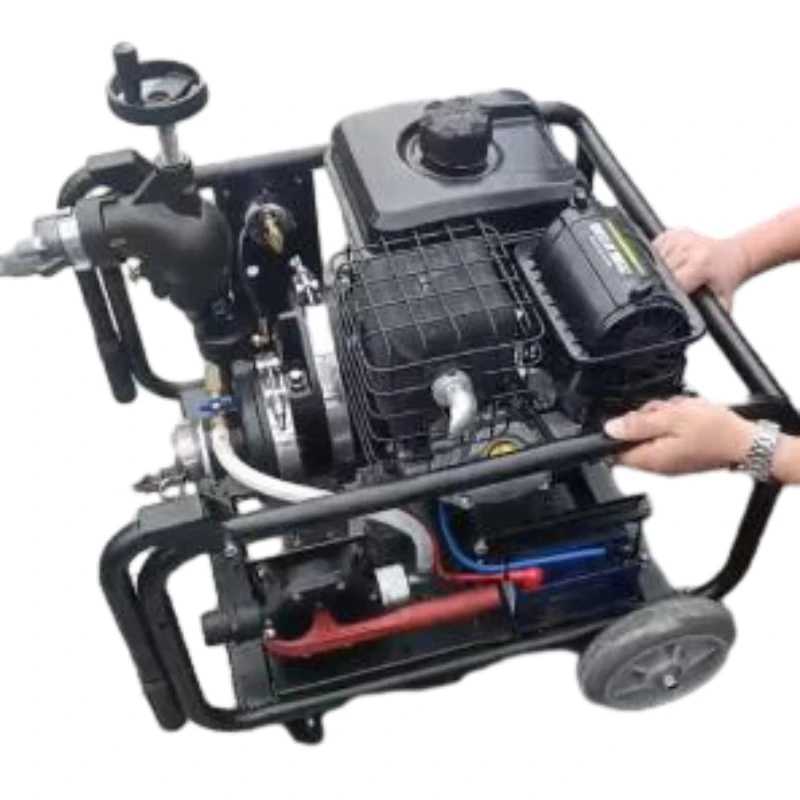
Put simply, fire extrication equipment consists of the collection of mechanical and hydraulic tools tailored to rescue victims trapped by fire, collapse, or accidents. This includes hydraulic cutters, spreaders, rams, lifting bags, and stabilization tools designed to make access possible while safeguarding both victims and responders. It’s a highly specialized subset of emergency equipment closely linked to firefighting, paramedic operations, and urban search and rescue teams.
In our modern context—think rapid urbanization, denser traffic, and increasingly complex building designs—these tools have become indispensable. They underpin humanitarian efforts, disaster relief, and routine emergency responses alike.
Key Components of Fire Extrication Equipment
1. Durability and Strength
Tools must withstand extreme heat, pressure, and repeated use. Most extrication devices employ specially treated steel alloys and heat-resistant polymers to resist warping or malfunction during rescues.
2. Portability and Ease of Use
Often, rescue teams must work in challenging, confined environments. Compact, lightweight equipment enables rapid deployment and maneuverability — factors that can spell the difference between life or death.
3. Power Source Versatility
Hydraulic, pneumatic, and battery-powered tools each have their niche. Battery-electric tools are rising in popularity for cordless convenience, but hydraulic systems still dominate due to their robust power output.
4. Safety Features and Ergonomics
Anti-slip grips, automatic pressure relief valves, and protective guards reduce operator fatigue and prevent accidents during intense operations.
5. Cost Efficiency and Maintenance
Balancing upfront cost with longevity is crucial, especially for less-funded services. Vendors often provide maintenance plans and training to maximize service life.
Practical Applications Around the World
Fire extrication equipment isn’t just for city fire departments in wealthy countries. In earthquake-prone areas like Japan and Turkey, heavy-duty spreaders and cutters help free victims trapped under concrete and steel. Remote industrial sites—say, oil rigs or mining operations in Australia or South Africa—rely on rugged, portable equipment for emergent situations. Meanwhile, NGOs working in post-conflict zones utilize multifunctional extrication gear to save lives amid unstable structures and fires.
Notably, the fire extrication equipment used shines brightest in coordinated efforts where technology, training, and logistics align seamlessly.
In essence, fire extrication equipment adapts to diverse global challenges, proving indispensable in numerous rescue scenarios.
Product Specifications Snapshot
| Equipment | Power Type | Weight (lbs) | Cutting Force (tons) | Typical Use |
|---|---|---|---|---|
| Hydraulic Cutter | Hydraulic | 18 | 40 | Vehicle extrication |
| Battery-Powered Spreader | Battery | 15 | 25 | Structural rescue |
| Pneumatic Lifting Bag | Pneumatic | 12 | N/A (lifting capacity 10 tons) | Raising debris/vehicles |
Comparing Leading Vendors of Fire Extrication Tools
| Vendor | Product Range | Warranty | Training Support | Global Reach |
|---|---|---|---|---|
| RescuePro Tools | Full range hydraulic & battery | 5 years | On-site and virtual | 120+ countries |
| SafeExtract Co. | Battery-powered focus | 3 years | Webinars & manuals | 80 countries |
| FireForce Tech | Hydraulic and pneumatic combo | 4 years | Extensive certified programs | 60 countries |
Advantages and Lasting Value of Proper Equipment
Why invest heavily in fire extrication equipment? First, the obvious: they save lives. Having reliable, tested, and well-maintained tools improves safety margins dramatically. Beyond that, these tools build trust among first responders — they know their gear won’t fail at the crucial moment.
From a cost perspective, it’s often less expensive to equip teams with quality equipment upfront, rather than dealing with prolonged rescues, victim morbidity, or replacement due to failures. Plus, well-designed tools reduce physical strain on responders, decreasing injury rates — a social good that’s often overlooked.
In the bigger picture, they sustain community resilience, aid humanitarian relief, and push forward technological innovation in emergency responses worldwide.
Emerging Trends and Innovations
In recent years, we’ve noticed a swell of innovation focused on sustainability and digital integration. Battery-powered extrication tools are becoming lighter and offer longer runtimes, reducing reliance on cumbersome hydraulic pumps. Green energy solutions—solar charging stations for batteries in remote areas—are also gaining traction.
Moreover, some manufacturers are embedding IoT sensors in tools to track usage, maintenance needs, and performance analytics—allowing proactive upkeep rather than costly repairs. Automation-assisted extrication tools are another exciting frontier, promising safer operations by augmenting human control with AI guidance.
Challenges & Expert Solutions
Challenges remain, of course. High upfront costs prevent adoption in underfunded regions. Additionally, complex training requirements pose barriers where skilled personnel shortages exist. Equipment maintenance in harsh environments often shortens lifespan.
Experts advocate greater international collaboration to fund training and supply chains. Modular training kits, virtual reality simulations, and equipment standardization efforts help overcome these issues. Additionally, innovative financing schemes—like leasing models—allow agencies to access the latest gear affordably.
FAQ: Your Questions About Fire Extrication Equipment, Answered
- Q: What makes battery-powered extrication tools better than traditional hydraulic ones?
A: Battery-powered tools offer cordless convenience and easier handling, especially in tight spaces. They also reduce setup time. However, hydraulic tools remain unmatched in raw power for some heavy-duty tasks. - Q: How often should fire extrication equipment be serviced?
A: Typically, manufacturers recommend servicing every 6 to 12 months, but frequency depends on use intensity. Regular checks prevent failures during emergencies. - Q: Are hydraulic extrication tools safe for use around electrical hazards?
A: Special insulated hydraulic tools are designed for such environments, but standard tools should be used cautiously. Always assess scene hazards before deployment. - Q: Can non-expert rescue teams be trained quickly on extrication equipment?
A: Basic operation can be taught within a day or two, but proficiency requires ongoing drills and scenario practice led by experienced trainers. - Q: How can organizations in developing countries obtain quality extrication equipment reliably?
A: Partnering with established suppliers who offer support programs, warranties, and training is key. Grants and government initiatives often assist in funding.
Wrapping Up: Why Fire Extrication Equipment Continues to Save Lives
In real terms, investing in fire extrication equipment isn’t just about tools; it’s about ensuring rapid, safe rescue for those at their most vulnerable moments. The benefits—spanning human dignity, community resilience, and technological progress—are long-lasting. If you want to learn more or source reliable gear, visit our website for expert guidance and trusted products.
Oddly enough, fire extrication equipment often flies under the radar, but it quietly forms the backbone of countless successful rescues around the world. And that’s worth remembering every time you hear sirens in the distance...
Takeaway: The blend of strength, innovation, and global collaboration ensures extrication tools will keep evolving to meet tomorrow’s rescue challenges.
References:
1. United Nations Office for Disaster Risk Reduction (UNDRR) - https://www.undrr.org
2. World Health Organization Global Status Report on Road Safety 2018 - https://www.who.int
3. ISO Standards on Rescue Equipment - https://www.iso.org





 English
  Arabic
  Bengali
  China
China  French
  German
  Hausa
Hausa  Indonesian
  Italian
  Japanese
  Javanese
  Malay
Malay  Persian
  Portuguese
  Punjabi
  Russian
  Spanish
  Swahili
  Telugu
  Vietnamese