








Why Forest Fire Fighting Equipment Supplies Matter More Than Ever
Wildfires have become a brutal global challenge, increasingly fueled by climate change and human activity. Every year, millions of hectares of forests are scorched, threatening ecosystems, wildlife, and human settlements. But behind the scenes of battling these forceful blazes is a world of highly specialized forest fire fighting equipment supplies. Understanding these supplies isn’t just for firefighters or agencies; it matters for governments, industries, and communities worldwide.
At its core, having the right tools—be it hoses, sprayers, protective gear, or communication devices—can literally mean the difference between containing a blaze quickly or watching flames spread uncontrollably. The stakes? Lives, property, biodiversity, and even climate regulation.
Global Perspective: The Rising Need for Specialized Forest Fire Fighting Gear
Did you know that according to the UN Food and Agriculture Organization (FAO), around 350 million hectares of forest surface burn annually on average? Wildfires don’t discriminate—they affect boreal forests in Russia, eucalyptus woodlands in Australia, the Amazon rainforest, and Mediterranean scrublands alike. The World Bank reports that wildfire damages and firefighting costs run into billions of dollars every year.
The problem? Traditional firefighting tools often fall short amid increasingly severe fires. This is where modern forest fire fighting equipment supplies come in, designed to withstand extreme conditions, support rapid deployment, and enable coordinated response efforts, even in remote or rugged terrain.
Mini takeaway:
- Wildfire frequency and intensity are rising globally.
- Specialized equipment is crucial to effective containment and safety.
What Exactly Are Forest Fire Fighting Equipment Supplies?
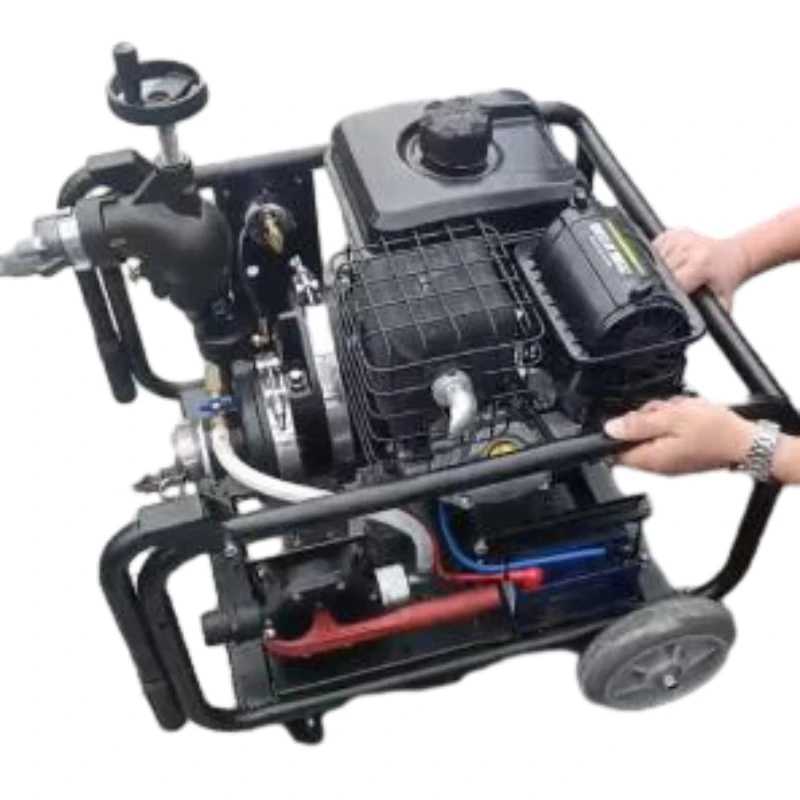
Simply put, these supplies are the range of tools and gear used to detect, suppress, and manage forest fires. Imagine rugged hoses engineered for high pressure, backpack pumps for firefighters on the move, thermal imaging cameras for spotting hotspots, and durable protective clothing designed to resist heat and smoke.
Beyond gear, supplies also include vehicles like water tenders and aerial units, communication radios, and even tactical command systems that integrate data from drones or satellites. In humanitarian and industrial contexts alike, this equipment supports safety, rapid mobilization, and sustainability.
Mini takeaway:
- Equipment ranges from hand tools to technology-driven systems.
- Supports both frontline firefighters and command operations.
Core Aspects of Forest Fire Fighting Equipment Supplies
1. Durability and Heat Resistance
The environment these supplies endure is nothing short of harsh. Equipment must survive scorching temperatures, abrasive terrain, and exposure to smoke and ash. Materials like Kevlar in fire-resistant jackets or reinforced rubber in hoses are industry standards.
2. Portability and Accessibility
Think about a firefighter sprinting up a steep slope with a heavy backpack pump. Items must be light enough to carry but rugged enough to perform flawlessly. Compact storage and quick deployment features significantly enhance effectiveness, especially in remote areas.
3. Scalability and Integration
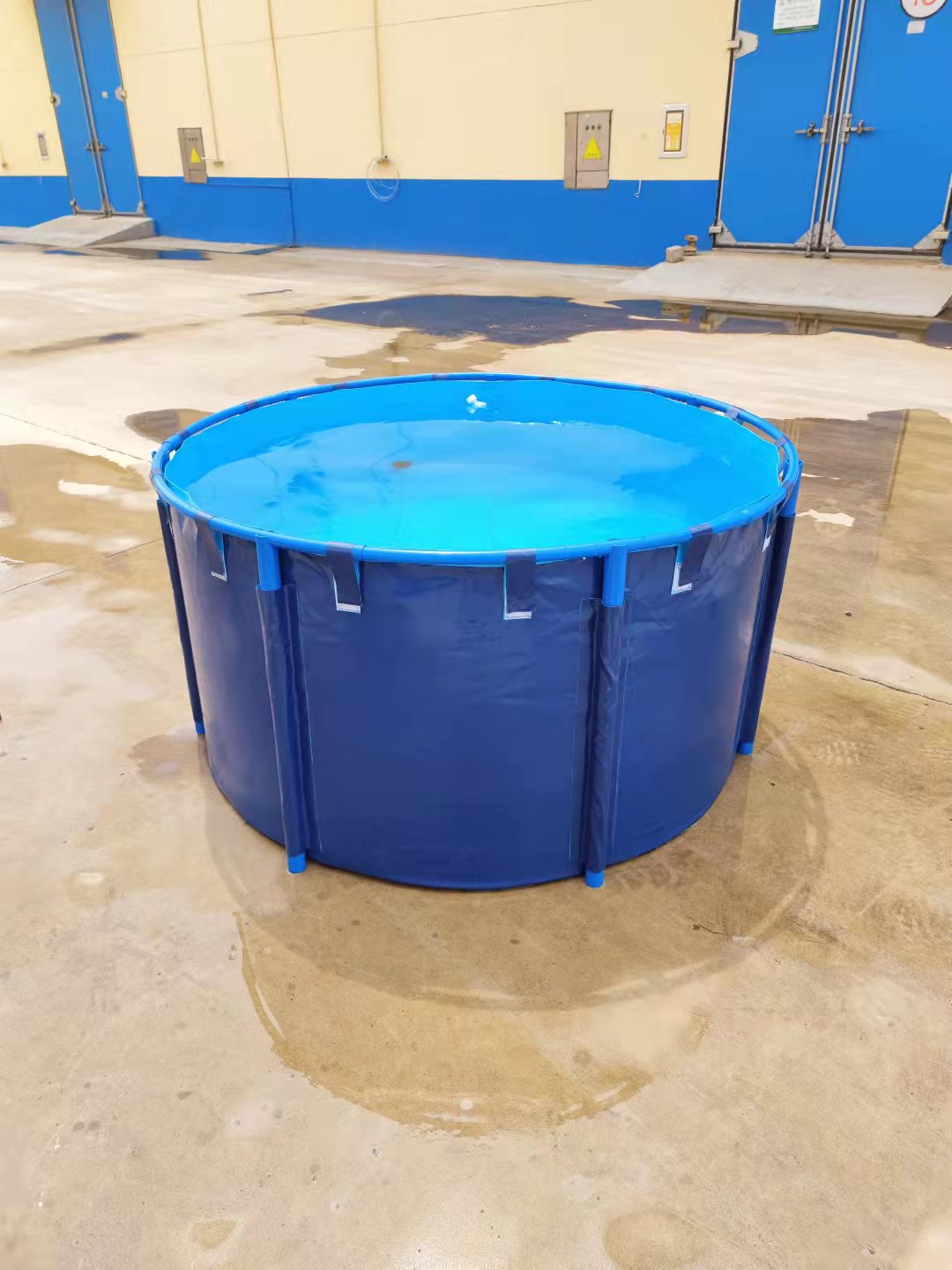
Some fires are small, others monstrous. Supplies need to scale accordingly, from handheld tools for individual use to bulk water tanks and aerial water-dropping units. Integration with communication networks and real-time monitoring tools also boosts coordination.
4. Cost Efficiency and Sustainability
Agencies often operate on tight budgets. Equipment must balance cost with longevity and environmental impact. For instance, biodegradable fire retardants and rechargeable battery packs in modern equipment push toward greener firefighting.
5. Training and User-Friendliness
High-tech gear means nothing if operators can’t use it effectively. Intuitive design, clear manuals, and accessible training are key to maximizing the utility of forest fire fighting supplies.
Mini takeaway:
- Supplies blend robustness with convenience and adaptability.
- Future-proof designs increasingly focus on sustainability and usability.
Real-World Applications and Examples
Forest fire fighting equipment supplies are deployed worldwide. For example:
- Australian Bushfires: Following catastrophic fires, agencies introduced modular water-spraying drones and GPS-tracked backpacks to enhance monitoring and response.
- California Wildland Teams: Use all-terrain water tenders and cutting-edge thermal imaging to protect urban-wildland interfaces.
- Siberia Boreal Forests: Given limited roads, lightweight, portable pumps and satellite communication gear are essential.
- Post-Disaster Relief: Organizations equipped with emergency firefighting kits provide immediate intervention to prevent secondary fires.
If you’re interested, agencies and industries alike turn to specialized forest fire fighting equipment supplies to be ready when the next emergency hits.
Mini takeaway:
- Applications span continents, climates, and contexts.
- Customization for terrain and mission-critical needs is common.
The Tangible Benefits of Proper Equipment
Good equipment translates into saved lives, protected communities, and preserved ecosystems. Let's be frank: the emotional relief that comes from knowing firefighters are well-equipped is immense. Couple that with cost savings from faster, more efficient fire suppression and reduced property damages, and you see the full impact.
Moreover, well-maintained and thought-through gear fosters trust between agencies and the public they serve. In real terms, innovation here also sparks economic opportunities for manufacturers and training providers.
Forest Fire Fighting Equipment Supplies Specifications
| Equipment | Material | Weight | Usage | Durability Rating |
|---|---|---|---|---|
| Fire-Resistant Jacket | Kevlar/Cotton Blend | 2.8 kg | Personal protection | High (IEC 61482-2 Certified) |
| Modular Backpack Pump | Aluminum/Polymer | 7.5 kg | Portable water spraying | Medium-high |
| Flexible Fire Hose | Reinforced Rubber & Polyester | Varies (per 30m) | Water delivery | High |
| Thermal Imaging Camera | Polycarbonate Housing | 1.4 kg | Hotspot detection | Medium |
Comparing Leading Vendors of Forest Fire Fighting Supplies
| Vendor | Product Range | Global Reach | Sustainability Initiatives | Price Range |
|---|---|---|---|---|
| FireSafe Pro | Full-spectrum firefighting gear, drones | Worldwide | Eco-friendly materials, recycling programs | $$$ |
| BlazeGuard Supplies | Apparel, pumps, hoses | North America, Europe, Asia | Focus on durability and longevity | $$ |
| GreenFlame Tech | Cutting-edge sensors, communication tools | Europe, Australia | Sustainable tech and battery-powered devices | $$$ |
Looking Ahead: Trends Shaping the Future of Forest Fire Fighting Supplies
Digital transformation is reshaping firefighting. We’re seeing AI-powered drones to map fire perimeters in real time, and IoT-enabled sensors in gear monitoring firefighters’ health and environmental hazards. Materials science keeps improving, with fire-resistant textiles that are lighter and last longer.
Then there’s sustainability: many companies aim to reduce disposable plastics and adopt bio-based retardants. I find it reassuring that investment continues in research, even if it sometimes feels like playing catch-up with Mother Nature’s unpredictability.
Tackling Current Challenges
It’s no secret that budgets are tight in many regions, meaning gaps in equipment availability or maintenance. Another pain point is logistics: transporting bulky gear into isolated forests isn’t straightforward. Worse, climate variability means unpredictable fire behavior, complicating supply needs.
Still, incremental improvements—like modular supply kits, local manufacturing partnerships, and enhanced training—help bridge these gaps. The key is balancing smart planning with flexible on-the-ground adaptation.
FAQ: Common Questions About Forest Fire Fighting Equipment Supplies
- What kind of gear is essential for frontline firefighters?
- Core essentials include fire-resistant clothing (jackets, pants), helmets with visors, portable water pumps, hoses, and communication radios. Each item protects firefighters while enabling effective fire suppression even in challenging terrain.
- How do drones and technology improve fire fighting supplies?
- Drones enhance real-time mapping and hotspot detection, reducing risks and improving response times. Integrated communication tools in equipment also facilitate coordination among teams scattered across wildfires.
- Are sustainable fire retardants as effective as traditional ones?
- Yes, many bio-based retardants perform comparably with less environmental impact. However, they must be selected based on fire type, ecosystem sensitivity, and operational parameters to ensure best results.
- Can remote communities easily access these supplies?
- Access is challenging but improving. Partnerships with local governments and international aid providers often enable distribution of portable, easy-to-use kits suited for isolated areas.
- How important is training with equipment?
- Training ensures proper and safe use of complex gear, maximizing effectiveness and protecting users. Many suppliers offer tailored training packages along with their products.
In Closing: Preparedness Is More Than Just Equipment
Forest fire fighting equipment supplies stand at the frontline of one of the planet’s most urgent environmental challenges. It’s not just about having gear—it's about having the right gear, at the right time, in the right hands. Over the long term, investing in quality, sustainability, and training pays dividends in safety, efficiency, and ecological resilience.
If you want to explore cutting-edge firefighting solutions or ensure your teams have the best tools available, I strongly recommend visiting our dedicated portal for forest fire fighting equipment supplies. Because when the flames roar, preparation saves more than just forests— it saves futures.





 English
  Arabic
  Bengali
  China
China  French
  German
  Hausa
Hausa  Indonesian
  Italian
  Japanese
  Javanese
  Malay
Malay  Persian
  Portuguese
  Punjabi
  Russian
  Spanish
  Swahili
  Telugu
  Vietnamese