








Understanding Forest Fire Fighting Equipment: Why It Matters Now More Than Ever
Wildfires are becoming an unfortunately familiar headline in recent years — scorching vast swaths of forest, threatening communities, wildlife, and air quality. At the heart of the battle against this fiery menace lies forest fire fighting equipment — an essential toolkit that can literally mean the difference between containment and catastrophe. But what exactly does this equipment encompass, and why should we all care? Let’s unpack how improving and deploying forest fire fighting equipment worldwide isn’t just about responding to disasters; it’s about safeguarding ecosystems, economies, and lives.
Globally, intense wildfires have surged in frequency and severity — the United Nations Environment Programme reports that over 4 million square kilometers of forest face fire annually. This surge presents unique challenges, especially where climate change worsens drought conditions. Understanding the right forest fire fighting equipment, from protective gear to aerial water tanks, arms firefighters with the tools they need for both safety and effectiveness.
Mini takeaway: Investing in sophisticated forest fire fighting equipment is more than a tactical response; it’s a long-term safeguard for communities and nature amid climate uncertainty.
Global Relevance: The Growing Need for Advanced Firefighting Tools
Just a few decades ago, many forest fire fighting efforts were local, relying heavily on manpower and rudimentary gear. Today, the landscape is vastly different. According to the World Bank, over $100 billion in damages occur each year from wildfires globally, impacting forestry, real estate, and public health sectors. Countries like Australia, Canada, and the U.S. have made massive investments in technology like drones, remote monitoring sensors, and firefighting aircraft — all part of the modern forest fire fighting equipment toolkit.
Despite these investments, many regions with limited resources remain vulnerable. The challenge? Deploying durable, scalable, and cost-efficient firefighting gear that adapts to both urban-wildland interfaces and remote wilderness areas. Indeed, the complexity of modern forest fires demands equipment versatile enough to handle unpredictable conditions.
What Is Forest Fire Fighting Equipment?
Simply put, forest fire fighting equipment refers to all mechanical, protective, and consumable tools used to detect, suppress, and control wildfires. It covers a broad spectrum:
- Personal protective equipment (PPE) like flame-resistant suits, helmets, and respirators
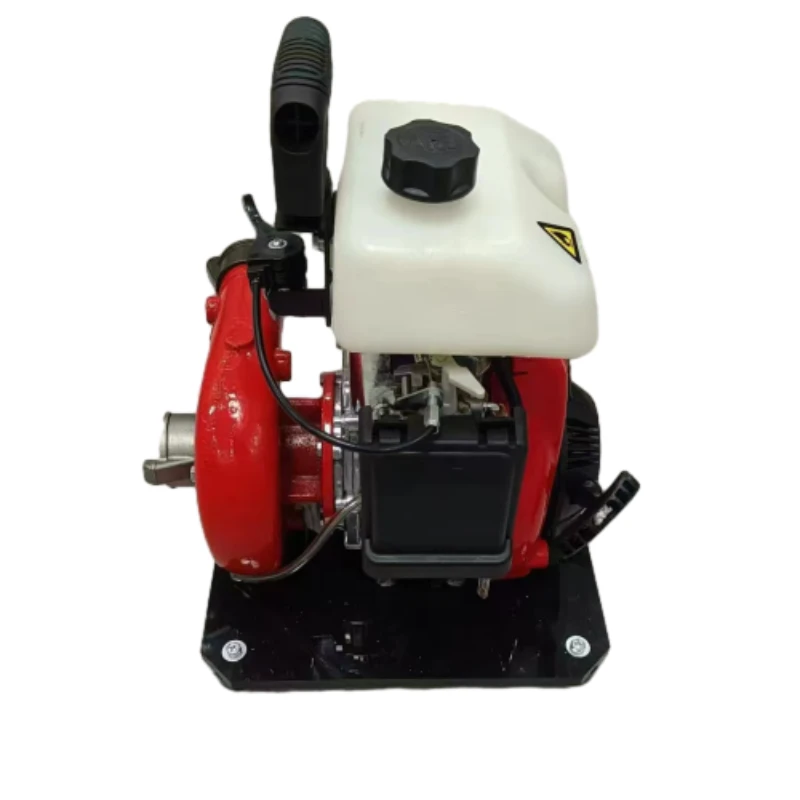
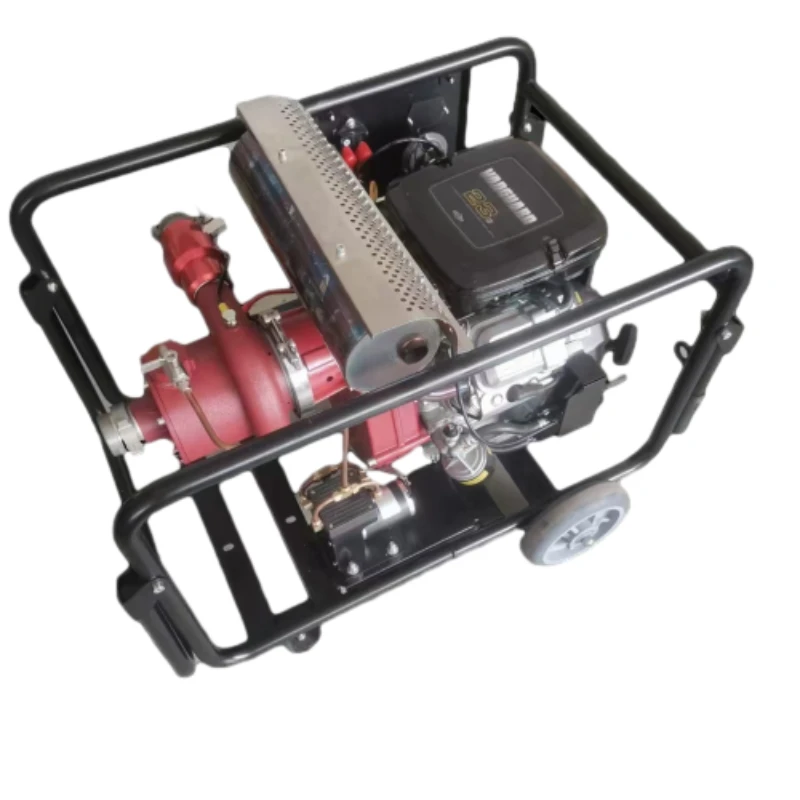
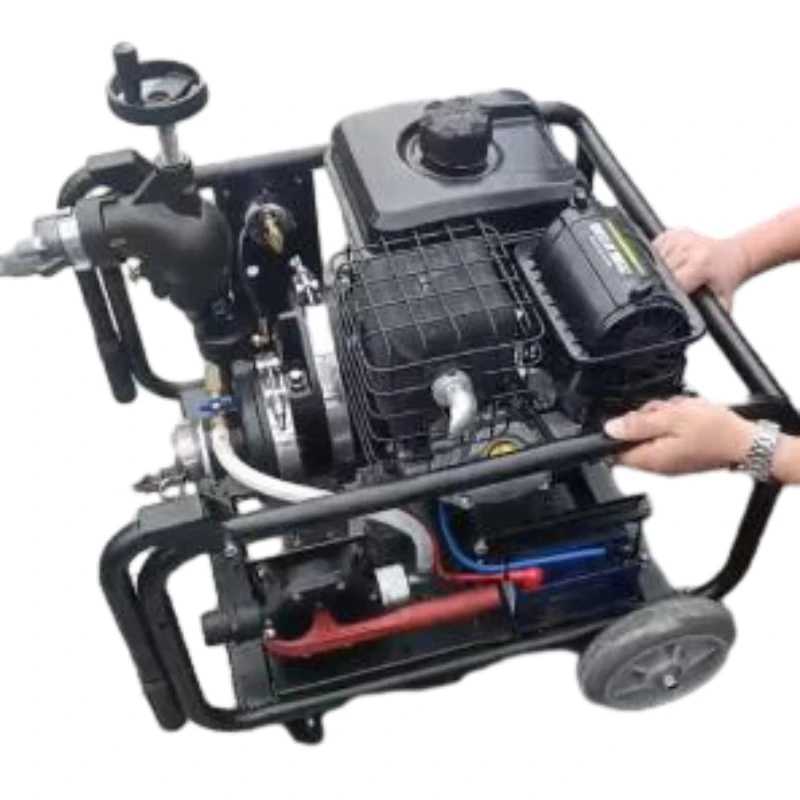
- Fire suppression tools such as fire retardants, pressurized hoses, and pumps
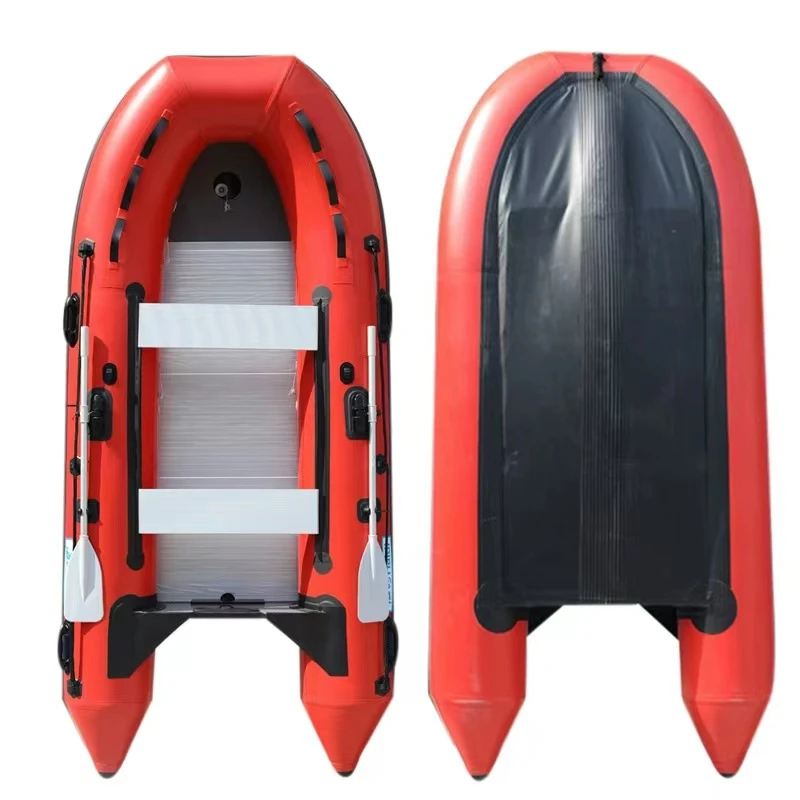
- Heavy machinery: bulldozers for clearing firebreaks, water tenders, and aircraft
- Tech equipment like thermal imaging cameras, drones for surveillance, and communication devices
This equipment is crucial not only for frontline firefighters but also for coordinated efforts across agencies and disaster response organizations, making fire containment faster and safer.
Mini takeaway: Forest fire fighting equipment is a diverse toolbox — merging rugged gear and cutting-edge technology to face an increasingly volatile threat.
Core Components of Effective Forest Fire Fighting Equipment
1. Durability and Ruggedness
Fire environments are unforgiving — thick smoke, intense heat, rough terrain — so equipment must withstand harsh conditions without failure. For instance, fire-resistant fabrics for PPE are tested to meet ISO standards ensuring heat protection and breathability. Similarly, hoses and pumps need to resist wear from extended use in tough environments.
2. Scalability and Mobility
From small wildfire clusters to massive forest conflagrations, the ability to scale operations is essential. Portable, lightweight tools that can be quickly deployed to remote zones are invaluable. Airborne resources like helicopters equipped with water buckets increase reach, while modular gear systems enable firefighters to customize their kit.
3. Cost Efficiency
Budget constraints often limit fire agencies, especially in developing countries. Thus, cost-effective solutions that don’t sacrifice performance are critical. Innovations such as reusable retardant delivery systems or solar-powered communication units are game changers in this space.
4. Technological Integration
Modern firefighting integrates data and automation. Sensors detecting temperature spikes, drones providing aerial ‘eyes in the sky,’ and AI-powered predictive software assist strategic decisions. Equipment that easily integrates these tech advances boosts overall effectiveness.
5. Safety and Ergonomics
The human element can’t be overstated. Firefighters rely on gear that protects but also allows freedom of movement and reduces fatigue. Advances in lighter-weight materials and smarter design address this, improving endurance during long shifts.
Global Applications and Real-World Use Cases
Forest fire fighting equipment isn’t confined to national parks or traditional fire zones — it’s used worldwide in diverse contexts:
- Australia & Mediterranean regions: Faced with seasonal bushfires, these countries deploy sophisticated aerial tankers alongside local fire crews equipped with advanced PPE.
- Canada & Siberia: Vast forest expanses require modular tools and remote surveillance drones to detect hotspots early.
- Post-disaster relief: In wildfire aftermaths, equipment transitions to recovery support, preventing flare-ups during cleanup and reforestation.
- Industrial zones near forests: Companies integrate fire-resistant barriers and early-warning sensors into their safety protocols to protect personnel and assets.
These examples illustrate how forest fire fighting equipment is adapting to solve ever-changing challenges across geographies.
Mini takeaway: Whether rugged outback fires or sensitive industrial zones, high-functioning equipment forms the frontline against devastating wildfire impacts.
Advantages and Long-Term Value of Investing in Forest Fire Fighting Equipment
Sure, investments in firefighting gear come at high upfront costs. But in real terms, they pay dividends:
- Reduced Damage and Loss: Early fire detection and rapid response prevent massive property and ecosystem destruction.
- Enhanced Safety: Protective and communication equipment lowers firefighter injuries and fatalities.
- Sustainability: Smart equipment reduces unnecessary water and chemical use, helping preserve local environments.
- Community Trust: When agencies are well-equipped, communities feel safer and more confident in disaster preparedness.
Plus, there’s a deep emotional value — food security, habitat preservation, and even cultural identity hinge on protecting forested lands.
Emerging Trends and Innovations You Should Know About
It’s fascinating to watch innovation in this field. Recent trends include:
- Green firefighting technologies: Biodegradable retardants and solar-powered devices reduce environmental footprints.
- Drone swarms: Coordinated aerial units that map fires in real-time, even in smoke-obscured areas.
- Wearable sensors: Monitoring firefighter health metrics to prevent heat exhaustion or accidents.
- AI & Big Data: Predictive modeling helps allocate resources efficiently before fires break out.
Such trends reflect a drive toward smarter, safer, and more sustainable forest fire management.
Challenges and Expert Solutions for Forest Fire Fighting Equipment
No system is perfect. Common challenges include:
- Supply chain issues: Accessing quality equipment in remote regions can be hard.
- Training gaps: New gear requires skilled operators — an ongoing training need.
- Cost barriers: High-tech options often come with steep price tags.
Experts recommend approaches such as greater international collaboration to streamline procurement, boosted investment in training programs, and innovation subsidies to make equipment affordable. Organizations emphasize integrating local knowledge with technology—only then does equipment truly match real-world demands.
Practical FAQ About Forest Fire Fighting Equipment
Q1: What equipment is essential for frontline forest firefighters?
A: Flame-resistant clothing, helmets, gloves, communication radios, and portable water pumps are core essentials. Each piece focuses on safety, communication, and effective suppression.
Q2: How do aerial firefighting tools integrate with ground crews?
A: Aircraft drop retardants ahead of crews to slow fires, while helicopters transport personnel and equipment rapidly. Ground teams then create firebreaks and extinguish remaining hotspots.
Q3: Is technological equipment like drones cost-effective for all regions?
A: While initial costs may be high, drones reduce manpower risks and provide real-time intel, often leading to overall savings by improving response times and targeting.
Q4: How can smaller agencies scale their forest fire fighting equipment budgets?
A: Prioritizing modular, reusable gear and partnering in regional cooperatives for shared resources helps stretch budgets without sacrificing capabilities.
Q5: Are there sustainable options for firefighting chemicals?
A: Yes, biodegradable retardants are increasingly common, offering effectiveness without long-term ecological damage.
Forest Fire Fighting Equipment Specifications
| Equipment Type | Key Features | Typical Use | Durability Rating |
|---|---|---|---|
| Fire-Resistant Clothing | Heat-resistant fabrics, reflective strips, breathability | Personal protection during wildfire exposure | ISO 11612 Certified |
| Thermal Imaging Camera | Heat detection, wireless connectivity | Spotting hotspots through smoke and terrain | IP68 Water & Dust Resistant |
| Fire Hoses & Pumps | High-pressure output, lightweight materials | Delivering water and foam to fire lines | UL Listed, Abrasion Resistant |
| Aerial Water Tankers | Large capacity, rapid refill, GPS guided | Airborne fire suppression | FAA Certified, Custom Modifications |
Vendor Comparison: Choosing the Right Forest Fire Fighting Equipment Provider
| Vendor | Product Range | Technology Integration | Price Range | Geographic Reach |
|---|---|---|---|---|
| FireSafe Global | Full PPE & Suppression Equipment | Drones & Thermal Cameras | $$$ (Premium) | North America, Europe, Australia |
| Green Flame Solutions | Eco-friendly Retardants & PPE | Solar-powered Sensors | $$ (Mid-Range) | Global, Focus on Developing Regions |
| RapidFire Tech | Portable Pumps & Communication Gear | AI-Enabled Dispatch Software | $ (Affordable) | North America, Latin America |
Wrapping Up: Why Forest Fire Fighting Equipment Is a Vital Investment for the Future
Forest fire fighting equipment may not always grab front-page attention, but its quiet presence underpins the tireless efforts of responders worldwide. With climate change accelerating wildfire risks, we can’t afford to skimp on innovation, quality, or deployment capability. Better gear means faster containment, safer firefighters, and ultimately, more lives and landscapes saved.
If you’re interested in learning more or sourcing state-of-the-art forest fire fighting equipment, I highly recommend checking out forest fire fighting equipment providers for the latest products and expert advice.
Mini takeaway: Equip well, respond better, and protect our planet’s lungs for generations to come.





 English
  Arabic
  Bengali
  China
China  French
  German
  Hausa
Hausa  Indonesian
  Italian
  Japanese
  Javanese
  Malay
Malay  Persian
  Portuguese
  Punjabi
  Russian
  Spanish
  Swahili
  Telugu
  Vietnamese