








Vehicle Mounted Fire Pumps: What They Are and Why They Matter Globally
Vehicle mounted fire pumps aren’t just a piece of firefighting hardware; they’re the frontline heroes wherever flames threaten life, property, and natural resources. With increasing wildfires, urban expansion, and industrial risks, these pumps provide a crucial lifeline for firefighting teams worldwide. Understanding their operation, design, and global impact helps communities prepare better — and that counts for so much when seconds truly matter.
Why Vehicle Mounted Fire Pumps Hold Global Importance
Globally, fire incidents cause billions in damages each year — from dense urban centers to remote forests. According to the United Nations Office for Disaster Risk Reduction (UNDRR), thousands of people are annually impacted by fire disasters, with many regions lacking reliable firefighting infrastructure. Vehicle mounted fire pumps amp the power of emergency responders by combining mobility and strong water pressure in one package. As cities expand into wildlands and factories grow denser, the pressing challenge is accessibility. Traditional fixed hydrants just don’t cut it everywhere.
Statistics from the World Bank hint at a 15% average yearly increase in fire-related losses in developing nations (World Bank Fire Risk Report, 2022), partly due to under-equipped fire brigades. Vehicle mounted solutions, therefore, bridge the gap between static firefighting setups and the need for rapid, targeted response.
Simply Put: What Are Vehicle Mounted Fire Pumps?
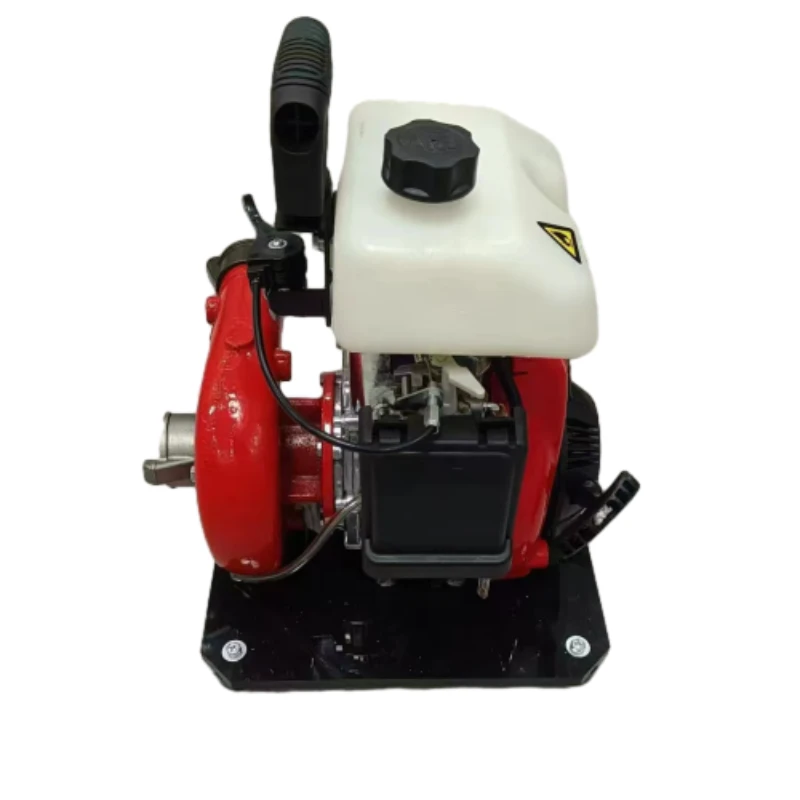
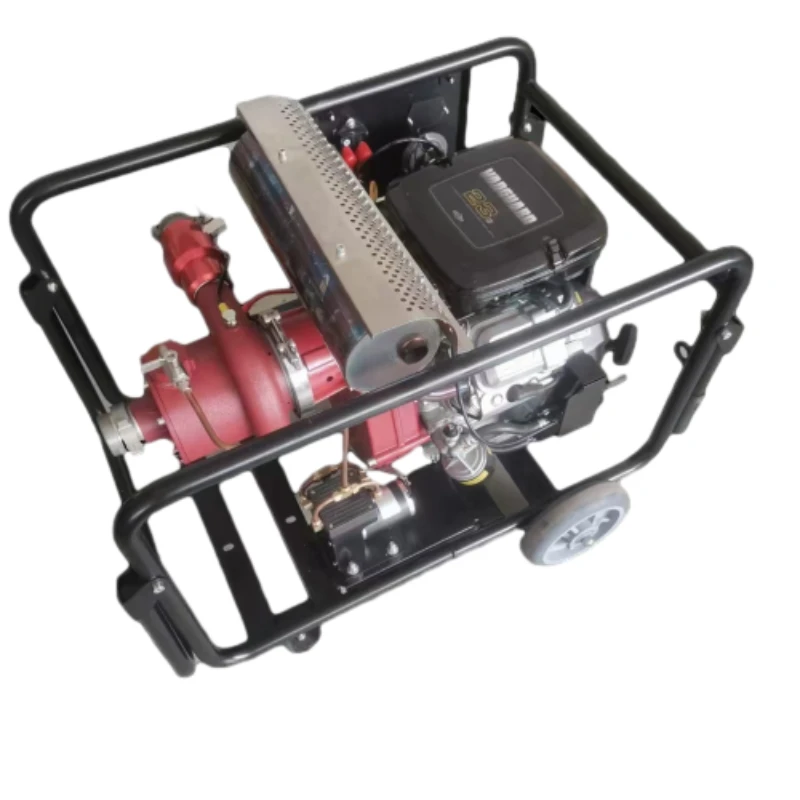
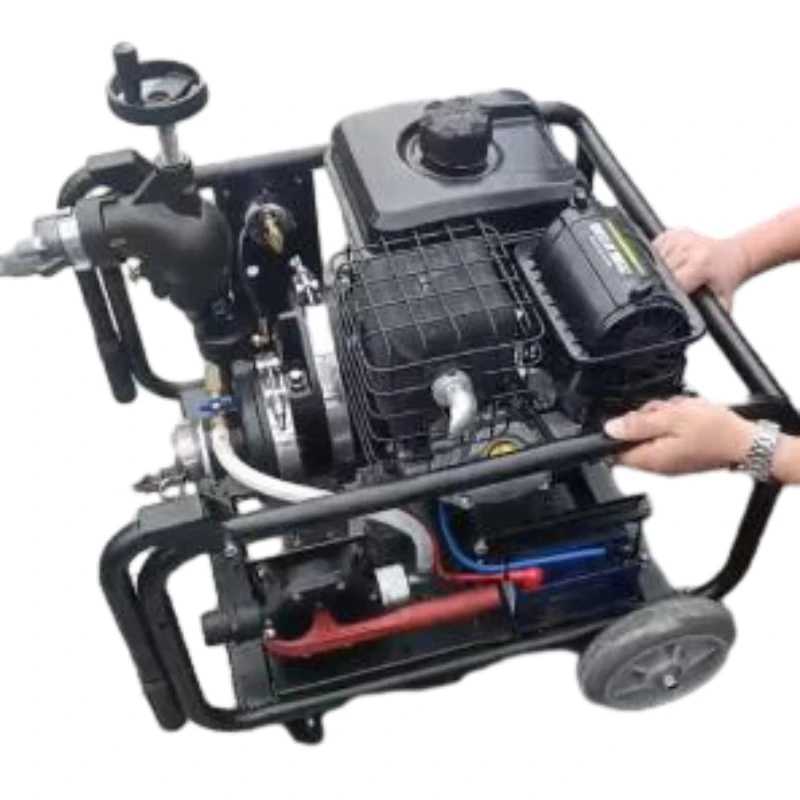
Put simply, these are fire pumps installed directly onto a vehicle chassis — usually trucks, but sometimes specialized all-terrain units. They are designed to quickly pump large volumes of water or fire retardant directly at a blaze, wherever a hose reel or hydrant can’t reach effectively. Ideally, the pump engine syncs with the vehicle’s power or has its own independent motor, ensuring peak performance.
Modern industries, emergency services, forestry departments, and even rural fire brigades heavily rely on this tech. It’s about making sure first responders have reliable, mobile water delivery exactly when needed — a matter of life, safety, and protection.
Core Components That Define Their Efficiency and Reliability
Durability and Build Quality
Rough terrain, long hours, and high-pressure operations — vehicle mounted pumps must be tough. High-quality materials like stainless steel and corrosion-resistant coatings ensure these systems stay operational even after years exposed to harsh elements.
Mobility and Terrain Adaptability
Whether fighting wildfires in Australian bushland or industrial fires in urban slums, these pumps need to go where trucks can. Off-road capabilities, compact design, and quick hitch installations are essential to reach the scene fast.
Flow Rate and Pump Capacity
A typical range might be anywhere between 500 to 2000 gallons per minute (GPM). This flexibility lets operators tailor the pump to the type of fire and water supply available.
Power Source Options
Some pumps get their juice from the vehicle's engine (PTO – Power Take-Off), while others pack standalone diesel or electric motors. Both have pros: vehicle-powered means fewer moving parts, standalone allows operation without vehicle running.
Ease of Deployment and Control
Time is the enemy in firefighting. User-friendly controls, remote operation options, and quick-setup fittings make a big practical difference.
Cost Efficiency
Long-lasting components paired with fuel-efficient engines reduce ongoing expenses — a vital consideration for municipal and rural users with tight budgets.
Mini Takeaway:
These factors combined make a vehicle mounted fire pump not just a tool—but a trusted partner in firefighting missions.
Vehicle Mounted Fire Pump Specifications: A Closer Look
| Specification | Typical Range | Notes |
|---|---|---|
| Flow Rate (GPM) | 500 - 2000 | Selectable depending on pump and engine |
| Pump Type | Centrifugal / Positive Displacement | Centrifugal common for water-based fires |
| Power Source | Vehicle PTO / Diesel / Electric | Depends on vehicle and deployment |
| Max Pressure (psi) | 150 - 300 | High pressure supports reach and effectiveness |
| Material | Stainless Steel, Aluminum Alloy | Ensures corrosion resistance and durability |
Where and How Vehicle Mounted Fire Pumps Make a Difference
From the Amazon rainforests to North America’s wildlands, firefighting units deploy these pumps to battle spreading fires. Their agility means they can access tough-to-reach terrain, often with limited water sources.
In urban environments, industrial plants rely on vehicle mounted pumps to supplement fixed hydrant networks, especially in sprawling factories or chemical plants where rapid fire suppression minimizes severe loss.
International organizations like WHO and IFRC incorporate vehicle-mounted pumps in disaster relief kits for wildfire-prone regions, ensuring rapid response teams can operate in remote locations with limited resources.
One telling example comes from rural Australia: volunteer brigades equipped with these pumps managed to contain fires threatening homes during the devastating 2020 bushfire season, a task that fixed systems couldn’t manage due to terrain.
Mini Takeaway:
The real-world utility of vehicle mounted fire pumps transcends geography, helping protect life and property everywhere.
Advantages and The Value They Bring Long-Term
- Cost-Effective Protection: Their mobility reduces the need for expensive fixed systems everywhere.
- Improved Safety: On-the-spot firefighting reduces risk to human lives and property damage.
- Sustainability: High efficiency and material design lower emissions compared to older pump tech.
- Trust and Reliability: Fire crews grow confident relying on equipment designed for versatility.
- Social Impact: Communities feel safer, which aids economic and social stability.
How Innovation Is Shaping the Future of Vehicle Mounted Fire Pumps
In the age of digital transformation, pumps now integrate IoT sensors that monitor flow, pressure, and engine status in real-time. This data supports predictive maintenance, reducing downtime.
Similarly, hybrid and electric vehicle powertrains are starting to power fire pumps, reducing carbon footprints. Advanced materials inspired by aerospace tech promise lighter weight and stronger durability.
On the regulatory front, international standards like ISO 14520 help ensure interoperability and safety compliance globally.
Things to Watch Out For—and Smart Solutions
Challenges include:
- Fuel Dependency: Makes deployment costly in remote locations without supply chains.
- Maintenance Complexity: Requires skilled technicians, which isn’t always viable in smaller brigades.
- Water Source Limitation: In drought or remote areas, water scarcity can hamper use.
Experts recommend solar-assisted pumping, modular maintenance training, and adoption of foam-based retardants to overcome some of these hurdles.
FAQ: Your Burning Questions About Vehicle Mounted Fire Pumps
Q1: What types of vehicles can carry these fire pumps?
A: Typically, pickup trucks, fire engines, and purpose-built all-terrain vehicles. Selection depends on terrain and mission scope.
Q2: How quickly can a vehicle mounted fire pump be deployed?
A: Most systems allow deployment within minutes; rapid connection to water sources and hose setup can take anywhere from 3 to 10 minutes depending on training.
Q3: Are these pumps suitable for chemical or industrial fires?
A: Yes, especially when combined with foam systems designed to suppress specific industrial fire types.
Q4: Can these pumps operate independently from the vehicle?
A: Some models come with standalone diesel or electric motors allowing operation without the vehicle’s engine running, useful in static deployments.
Q5: How do I choose a reliable supplier?
A: Look for vendors with proven track records, certification to international standards like ISO, and strong after-sales support. A quick comparison follows.
Vendor Snapshot: Comparing Leading Suppliers of Vehicle Mounted Fire Pumps
| Vendor | Product Range | Global Presence | After-Sales Support |
|---|---|---|---|
| FirePro Systems | 500-1500 GPM pumps | North America, Europe, Asia | 24/7 technical support, training |
| AquaJet Solutions | 700-2000 GPM high-pressure pumps | Worldwide (including remote regions) | Global service network, spare parts availability |
| Ranger Fire Tech | Customizable modular units | Europe, Australia | Onsite training, remote diagnostics |
Conclusion: Why Investing in Vehicle Mounted Fire Pumps Pays Off
Firefighting is a high-stakes game where every second, every reliable tool counts. Vehicle mounted fire pumps stand at the crossroads of mobility, technology, and lifesaving capacity. They empower responders worldwide to meet expanding firefighting challenges efficiently and sustainably.
For any organization serious about scalable, trustworthy fire response, understanding and investing in these pumps is an urgent priority. For more details and solutions tailored to your needs, start exploring the field at vehicle mounted fire pumps.




 English
  Arabic
  Bengali
  China
China  French
  German
  Hausa
Hausa  Indonesian
  Italian
  Japanese
  Javanese
  Malay
Malay  Persian
  Portuguese
  Punjabi
  Russian
  Spanish
  Swahili
  Telugu
  Vietnamese