








Choosing the Right Fire Officer Hand Tools
Equipping fire officers with the correct fire officer hand tools is paramount for effective emergency response. These tools are not merely accessories; they are essential instruments that facilitate rescue, ventilation, forcible entry, and overhaul operations. This article delves into the critical hand tools fire officers rely upon, offering insights into their purpose, selection criteria, and proper maintenance. Understanding the capabilities of these tools and how they contribute to overall fireground safety is crucial for both seasoned professionals and those new to the field.
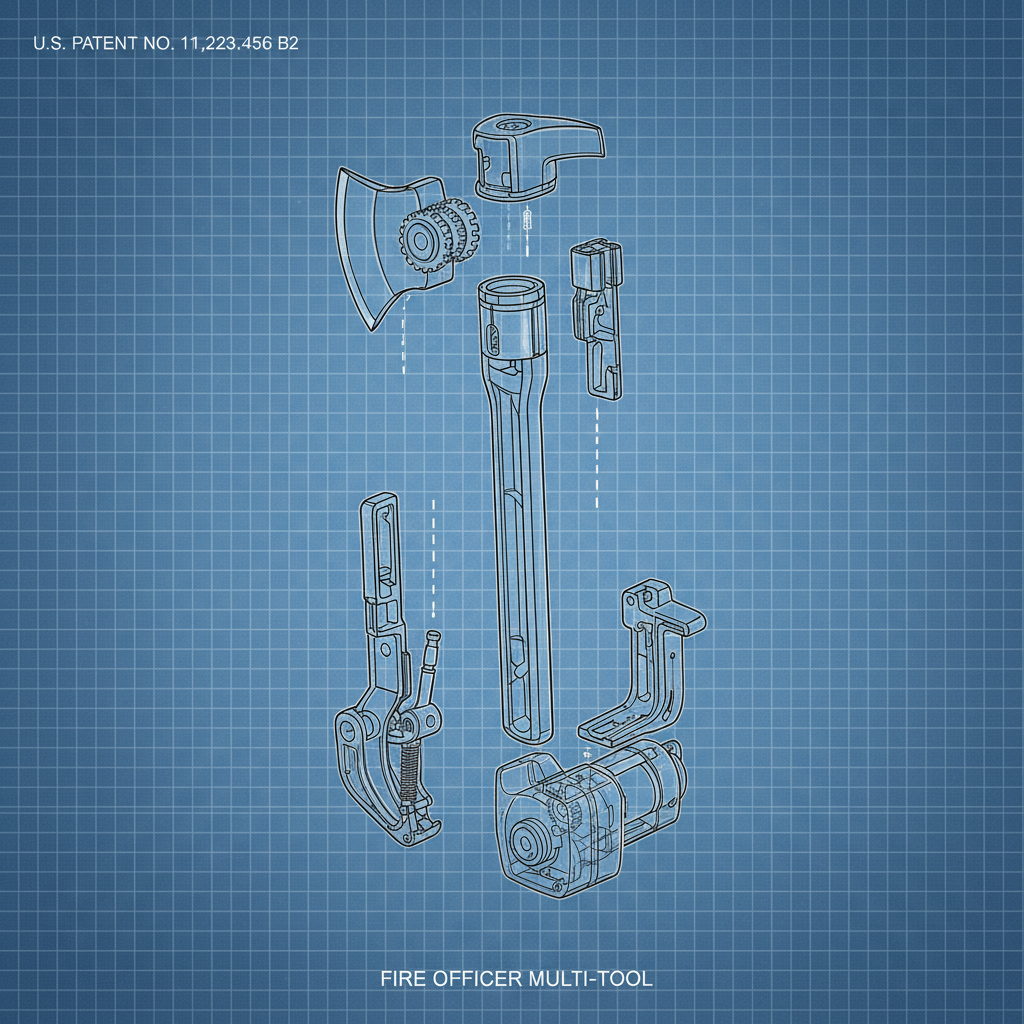
Essential Fire Officer Hand Tools: A Comprehensive Overview
The core set of fire officer hand tools typically includes forcible entry tools, rescue tools, ventilation tools, and general utility tools. Forcible entry tools, like halligan bars and flathead axes, are vital for gaining access to structures. Rescue tools, encompassing hydraulic rescue tools ("Jaws of Life") and hand saws, assist in extricating victims. Ventilation tools, such as pike poles and ventilation fans, are crucial for removing smoke and heat. General utility tools, including flashlights, bolt cutters, and spanners, provide versatility for a variety of tasks. The selection of tools should be based on the specific needs of the department and the types of emergencies they frequently respond to. FFW Firesafety offers a range of high-quality hand tools tailored to the demands of modern fire departments.
Key Highlights: Proper tool selection, regular maintenance, and adequate training are essential for maximizing the effectiveness and safety of fire officer hand tools.
Forcible Entry Tools: Gaining Access When It Matters
Forcible entry is a common task for fire officers, requiring specialized tools designed to overcome a variety of door and window security measures. The halligan bar, a versatile prying and breaching tool, is often the first choice. Flathead axes provide both striking and prying capabilities. Bolt cutters are essential for cutting padlocks and chains. Understanding the construction of doors and windows, and selecting the appropriate tool for the job, is crucial. Improper use of forcible entry tools can not only damage property but also put firefighters at risk. It is vitally important to understand the proper techniques and safety precautions associated with each tool.
Forcible Entry Tool Considerations:
• Durability and material quality
• Ergonomic design for comfortable grip
• Compatibility with other tools and equipment
• Ease of maintenance and cleaning
Fire Officer Hand Tools: A Comparative Analysis
Selecting the right tool requires careful consideration of its strengths and weaknesses. Comparing different tools based on their intended use, durability, and ease of handling is essential. Here's a comparison of some common fire officer hand tools:
Maintaining Your Fire Officer Hand Tools
Regular maintenance is crucial for ensuring the longevity and reliability of fire officer hand tools. After each use, tools should be cleaned of debris, dried thoroughly, and inspected for damage. Sharpening blades regularly is essential for maintaining their effectiveness. Lubricating moving parts prevents corrosion and ensures smooth operation. A dedicated tool maintenance program, including regular inspections and repairs, can significantly extend the lifespan of these vital instruments. FFW Firesafety provides resources and support for implementing effective tool maintenance programs.

Conclusion: Investing in Quality and Training
Investing in the Right Tools for the Job
Equipping fire officers with high-quality fire officer hand tools is an investment in safety and effectiveness. Pairing this investment with comprehensive training on proper tool usage and maintenance is equally crucial. A well-equipped and well-trained fire department is better prepared to respond to a wide range of emergencies and protect lives and property. Don’t compromise on quality or training – it’s the foundation of a successful fire response.
Frequently Asked Questions (FAQs)
What is the best way to store fire officer hand tools?
Proper storage is critical for maintaining the condition of your tools. Tools should be stored in a dry, clean environment, protected from the elements and extreme temperatures. A dedicated tool room or cabinet is ideal. Tools should be organized for easy access and inspection. Avoid storing tools in direct sunlight or in areas where they may be exposed to corrosive chemicals. Regular cleaning and lubrication before storage can further prevent rust and damage.
How often should forcible entry tools be sharpened?
The frequency of sharpening depends on usage, but a general guideline is to sharpen forcible entry tools at least every six months, or more often if they are used frequently. Dull tools require more force to operate, increasing the risk of injury. Regular sharpening ensures optimal performance and reduces the strain on firefighters. Use a professional sharpening service or a designated sharpening station with appropriate safety precautions.
What safety precautions should be taken when using fire officer hand tools?
Always wear appropriate personal protective equipment (PPE), including gloves, eye protection, and sturdy footwear. Ensure the tool is in good working condition before use. Maintain a safe working distance from others. Use the correct tool for the job and avoid forcing a tool beyond its capabilities. Follow proper techniques and receive adequate training on tool usage. Be aware of your surroundings and potential hazards.
Where can I find reliable fire officer hand tools?
FFW Firesafety is a trusted supplier of high-quality fire officer hand tools. We offer a comprehensive selection of tools from leading manufacturers, ensuring durability, reliability, and compliance with industry standards. We also provide expert advice and support to help you choose the right tools for your department's needs.






 English
  Arabic
  Bengali
  China
China  French
  German
  Hausa
Hausa  Indonesian
  Italian
  Japanese
  Javanese
  Malay
Malay  Persian
  Portuguese
  Punjabi
  Russian
  Spanish
  Swahili
  Telugu
  Vietnamese