








Choosing the Right Firefighter Plaster Hook: A Comprehensive Guide
Ensuring the safety and efficiency of any firefighting operation requires the right equipment. A critical, yet often overlooked, component is the firefighter plaster hook. These hooks are essential for securing plasterboard ceilings and walls, preventing collapses during search and rescue, and facilitating safe fireground operations. This article will explore the various types, benefits, and crucial considerations when selecting a firefighter plaster hook, ultimately aiding in informed decision-making for enhanced safety. Selecting the right tools can drastically improve response times and firefighter wellbeing.
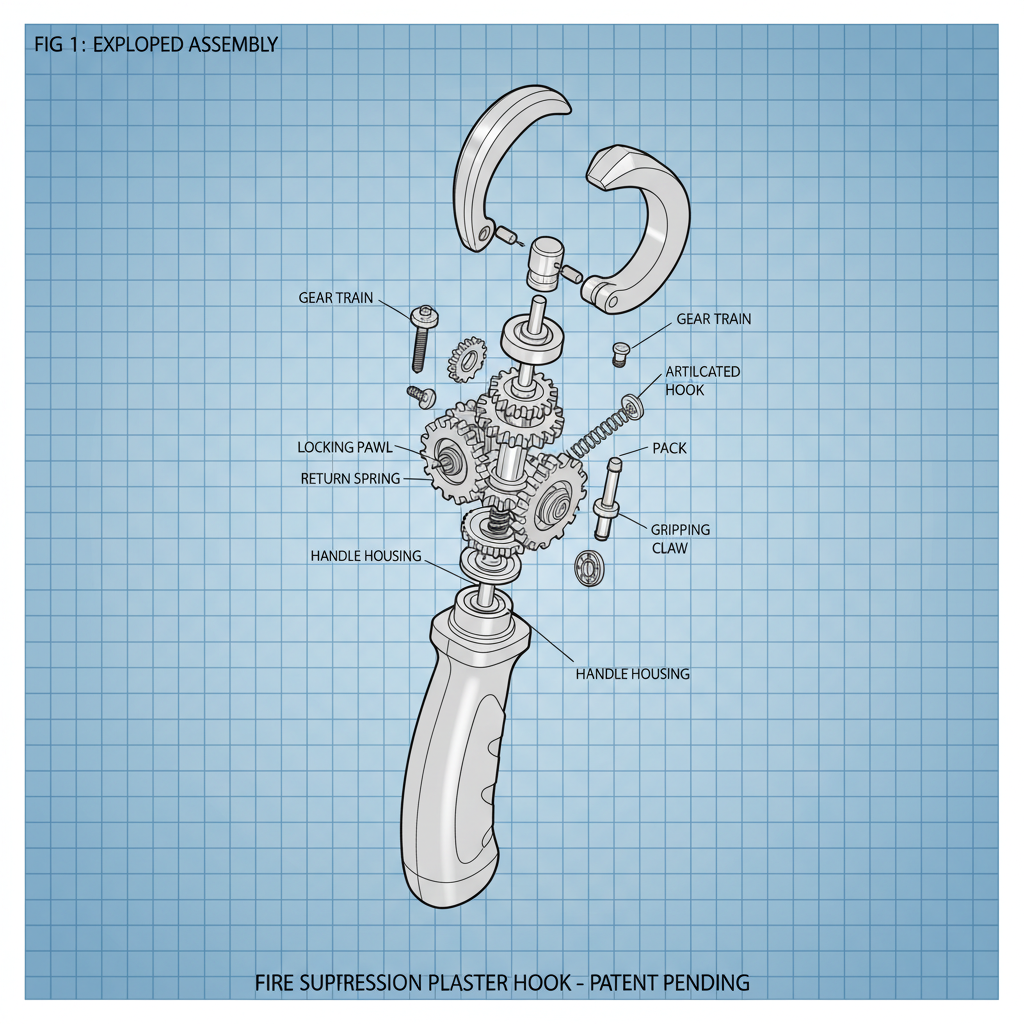
Understanding the Importance of a Firefighter Plaster Hook
A firefighter plaster hook is a specialized tool designed to securely grip and support plasterboard ceilings or walls. Its primary function is to prevent partial or complete collapse during firefighting operations. Plasterboard, while commonly used in building construction, is particularly vulnerable to heat and water damage. This vulnerability makes it prone to falling, creating hazards for firefighters operating within a structure. A well-designed hook distributes weight effectively, minimizing stress on the plasterboard and preventing unexpected failures. Utilizing these hooks significantly mitigates the risk of injury and improves operational safety.
Key Benefits: Prevent plasterboard collapses, enhance firefighter safety, enable safe search and rescue, and improve operational efficiency.
Types of Firefighter Plaster Hooks Available
Different scenarios demand different types of plaster hooks. Here’s a breakdown of common varieties:
- Standard Hooks: Typically made of high-strength steel, designed for general-purpose use.
- Adjustable Hooks: Feature adjustable grips to accommodate varying plasterboard thicknesses.
- Multi-Purpose Hooks: Combine hook functionality with features like integrated lights or breaching capabilities.
- Lightweight Hooks: Constructed from materials like aluminum for reduced weight and ease of carry.
The selection will depend on the expected load, the condition of the plasterboard, and the specific tasks being performed.
Key Features to Consider When Choosing a Firefighter Plaster Hook
When selecting a firefighter plaster hook, several key features should be prioritized. First and foremost, consider the material – high-strength steel is crucial for durability and load-bearing capacity. Secondly, evaluate the grip design. A robust and reliable grip ensures secure attachment to the plasterboard. Weight is another important factor; a lighter hook is easier to carry and maneuver. Finally, ensure the hook meets relevant safety standards and certifications.
Essential Features Checklist:
• High-strength steel construction
• Reliable grip design
• Optimal weight for maneuverability
• Compliance with safety standards
Comparing Popular Firefighter Plaster Hook Models
Different manufacturers offer various plaster hook models, each with unique strengths and weaknesses. The following table compares some popular options:
Proper Use and Maintenance of Your Firefighter Plaster Hook
Correct usage and regular maintenance are paramount to ensure the longevity and reliability of your firefighter plaster hook. Always inspect the hook before each use for any signs of damage, such as cracks, bends, or wear on the gripping surface. After each use, clean the hook to remove debris and contaminants. Store the hook in a dry, secure location to prevent corrosion. Finally, replace the hook immediately if any damage is detected. Regularly maintaining your equipment is a crucial step in ensuring both individual and team safety.
Conclusion: Prioritizing Safety with the Right Equipment
Investing in a high-quality firefighter plaster hook is a vital step in protecting firefighters and ensuring successful outcomes in emergency situations. By understanding the different types, key features, and proper usage guidelines, fire departments can make informed decisions that enhance safety and efficiency. Don't compromise on safety – choose the right tool for the job.
Frequently Asked Questions (FAQs)
What is the maximum weight capacity of a typical firefighter plaster hook?
The maximum weight capacity varies depending on the model and manufacturer. However, most firefighter plaster hooks are designed to support at least 180-220 lbs when properly installed. It's crucial to always check the manufacturer's specifications and never exceed the stated weight limit. Exceeding the limit can lead to hook failure and potentially cause a collapse. Regularly inspect the hook for any signs of damage that might reduce its weight-bearing capacity.
How do I properly install a firefighter plaster hook?
Proper installation is critical for ensuring the hook's effectiveness. First, identify a solid area of plasterboard, avoiding areas with visible damage. Carefully insert the hook, ensuring it is fully engaged and secure. Apply gentle pressure to test the grip before applying any significant weight. If the hook doesn't feel secure, reposition it or select a different location. Always follow the manufacturer's instructions for specific installation guidelines.
Are there any safety certifications for firefighter plaster hooks?
While there isn't a single universal certification specifically for firefighter plaster hooks, many reputable manufacturers ensure their products meet relevant safety standards. Look for hooks that comply with industry standards for load capacity and material strength. Checking for certifications from recognized testing laboratories can provide added assurance of product quality and safety.





 English
  Arabic
  Bengali
  China
China  French
  German
  Hausa
Hausa  Indonesian
  Italian
  Japanese
  Javanese
  Malay
Malay  Persian
  Portuguese
  Punjabi
  Russian
  Spanish
  Swahili
  Telugu
  Vietnamese