








Understanding Firefighter Turnout Tools: A Comprehensive Guide
When responding to emergencies, firefighters rely on specialized tools designed to ensure their safety and effectiveness. Firefighter turnout tools are crucial components of their protective gear and operational equipment. This article provides a detailed overview of these essential tools, covering their types, uses, and importance in modern firefighting. From forcible entry tools to ventilation equipment, we’ll explore how these tools empower firefighters to overcome challenges and save lives. Understanding these tools is essential for anyone involved in fire safety, emergency response, or related fields.
Essential Types of Firefighter Turnout Tools
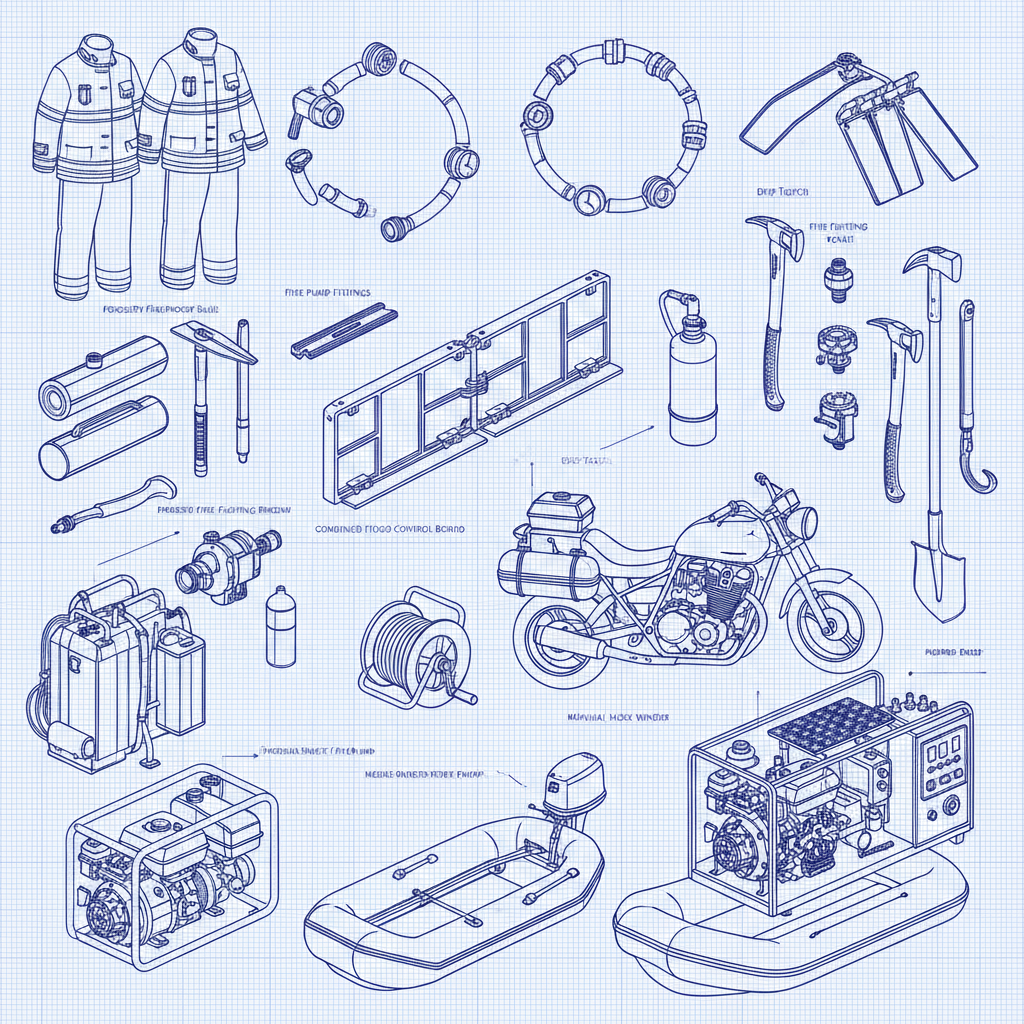
Firefighter turnout tools encompass a wide array of equipment, each serving a specific purpose. Some of the most critical categories include forcible entry tools – such as Halligan bars, flathead axes, and bolt cutters – used to gain access to buildings. Ventilation tools, like roof hooks and chain saws, help remove smoke and heat, improving visibility and reducing the risk of backdraft. Search and rescue tools, including thermal imaging cameras and ropes, aid in locating and rescuing victims. Additionally, specialized tools for handling hazardous materials and performing technical rescues are essential parts of a firefighter's arsenal. FFW Firesafety offers a comprehensive selection of these vital tools.
Key Highlights: Forcible entry, ventilation, search and rescue, and hazardous materials handling are all core functions supported by specialized turnout tools.
Forcible Entry Tools: Gaining Access When Seconds Count
Forcible entry is often the first step in a fire rescue operation. Tools like the Halligan bar, a versatile prying and twisting tool, are used to force doors and windows. Flathead axes provide chopping and prying power, while bolt cutters quickly disable padlocks and chains. These tools require significant training and skill to use effectively and safely. Proper maintenance is also critical to ensure they are ready for immediate deployment. Firefighters must be proficient in selecting the appropriate tool for the task and using it efficiently to minimize damage and maximize speed.
Forcible Entry Tool Benefits:
• Allows rapid access to burning structures.
• Enables rescue of trapped occupants.
• Facilitates fire suppression efforts.
• Requires specialized training for safe and effective use.
Ventilation Tools: Controlling Fire Behavior
Effective ventilation is crucial for controlling fire spread and improving visibility. Roof hooks help firefighters pull ceiling material to create openings for smoke and heat to escape. Chain saws, used with extreme caution, can quickly cut through roofs and walls to establish ventilation pathways. Positive pressure ventilation (PPV) fans force fresh air into a structure, pushing smoke and hot gases out. Proper ventilation techniques require a thorough understanding of fire dynamics and building construction. Improper ventilation can exacerbate the fire and create dangerous conditions.
Selecting the Right Turnout Tools: Considerations for Fire Departments
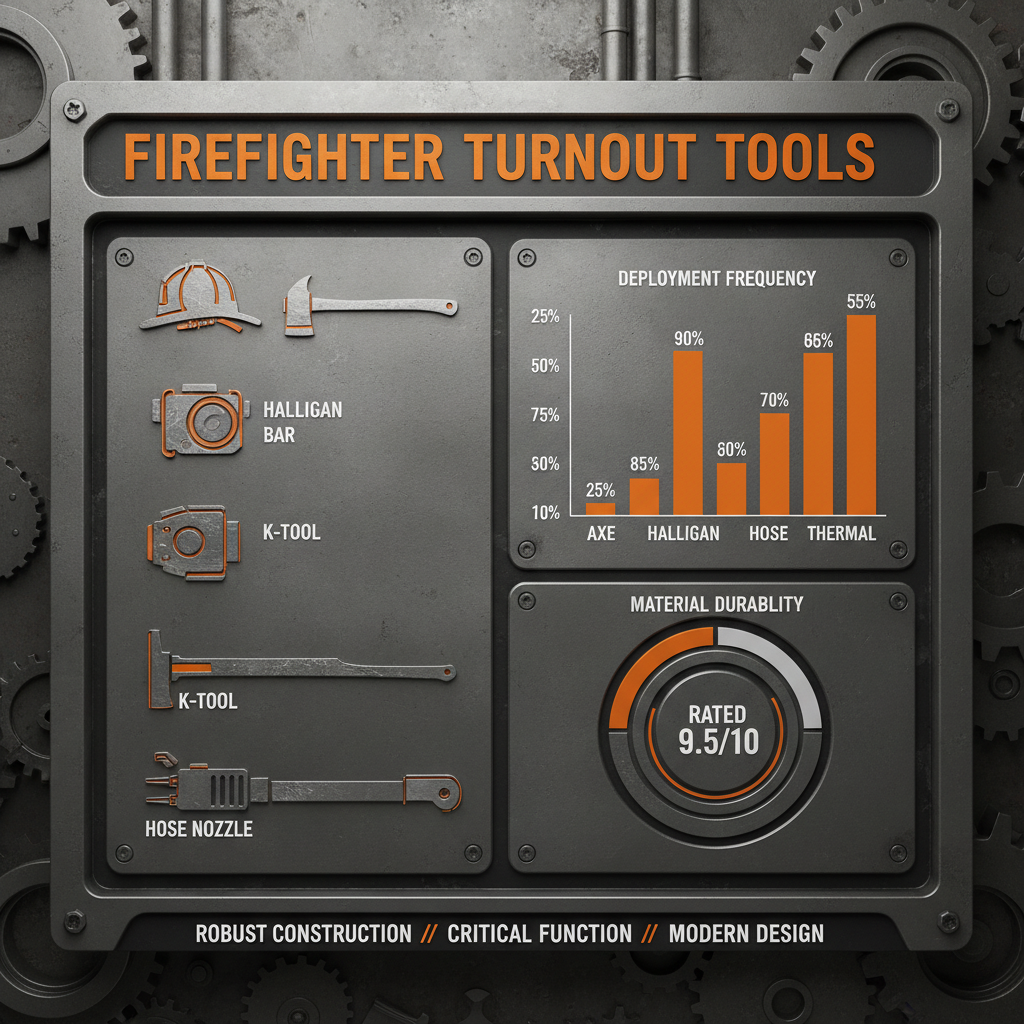
Choosing the right firefighter turnout tools involves several key considerations. First, assess the types of structures commonly encountered in your jurisdiction – residential, commercial, industrial. Second, evaluate the potential hazards – confined spaces, hazardous materials, high-rise buildings. Third, prioritize tools that are durable, reliable, and easy to maintain. Investing in high-quality tools from reputable manufacturers like FFW Firesafety ensures optimal performance and firefighter safety. Regular training and proficiency drills are also essential to maximize the effectiveness of these tools.
Maintaining Firefighter Turnout Tools for Longevity and Safety
Regular maintenance is paramount for ensuring the reliability and safety of firefighter turnout tools. Tools should be inspected after each use for damage, wear, and proper function. Blades should be sharpened, moving parts lubricated, and handles secured. A comprehensive maintenance schedule should be established and followed meticulously. Damaged or worn-out tools should be removed from service immediately and replaced. Proper cleaning and storage are also essential to prevent corrosion and extend the lifespan of the equipment.
Conclusion: Equipping Firefighters for Success
Investing in high-quality firefighter turnout tools and prioritizing regular maintenance are crucial for ensuring firefighter safety and operational effectiveness. By equipping firefighters with the right tools and providing ongoing training, fire departments can significantly enhance their ability to respond to emergencies and protect lives and property.
Frequently Asked Questions (FAQs)
What is the typical lifespan of a Halligan bar?
The lifespan of a Halligan bar varies depending on frequency of use and maintenance, but generally, a well-maintained Halligan bar can last for 5-10 years. Regular inspections are critical to identify signs of wear, such as bending, cracking, or damage to the claws. Proper sharpening and rust prevention also contribute to longevity. If a Halligan bar shows significant structural damage, it should be retired and replaced immediately to ensure firefighter safety.
How often should firefighters train with turnout tools?
Firefighters should train with turnout tools regularly – ideally, at least quarterly, and preferably more often. Training should include hands-on practice with all commonly used tools, focusing on proper techniques, safety procedures, and efficient operation. Scenario-based drills that simulate real-world firefighting conditions are particularly effective. Refresher courses and advanced training sessions can further enhance proficiency.
What safety precautions should be taken when using a chain saw for ventilation?
Using a chain saw for ventilation is extremely hazardous and requires specialized training and strict adherence to safety protocols. Firefighters must wear appropriate personal protective equipment (PPE), including eye and hearing protection, as well as chainsaw-resistant chaps. A designated safety officer should be present to monitor the operation. The saw operator should be thoroughly familiar with the roof’s construction and potential obstacles. Constant communication and awareness of surroundings are essential.








 English
  Arabic
  Bengali
  China
China  French
  German
  Hausa
Hausa  Indonesian
  Italian
  Japanese
  Javanese
  Malay
Malay  Persian
  Portuguese
  Punjabi
  Russian
  Spanish
  Swahili
  Telugu
  Vietnamese