








Essential Firefighter Training Equipment: A Comprehensive Guide
Preparing firefighters for the challenges they face requires more than courage; it demands the right firefighter training equipment. From realistic simulation tools to durable personal protective gear, equipping fire departments with the best resources is crucial for safety and effectiveness. This article will explore the core components of firefighter training, focusing on the essential equipment needed to prepare crews for real-world emergencies. Investing in quality training equipment translates directly to increased firefighter proficiency and reduced risks on the fireground.
Understanding the Core Needs for Firefighter Training
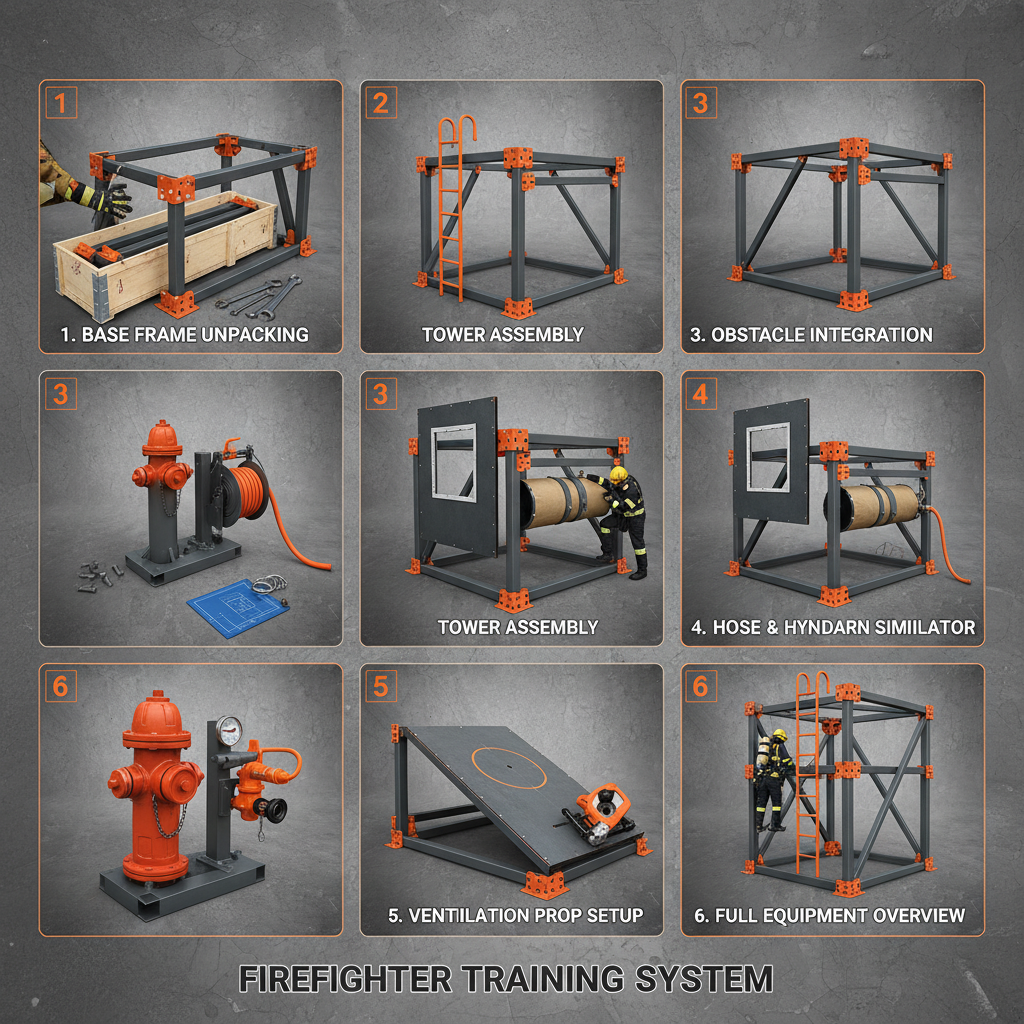
Effective firefighter training encompasses a wide range of skills, from basic hose handling and ladder operations to advanced search and rescue techniques and hazardous materials response. To adequately train these skills, a diverse set of equipment is essential. This includes simulation systems for realistic fire scenarios, personal protective equipment (PPE) for safe practice, and specialized tools for specific training exercises. Regular training not only reinforces existing skills but also introduces firefighters to new technologies and tactics, ensuring they are prepared for evolving challenges. Proper maintenance and regular inspections of all firefighter training equipment are also critical to ensure safety and longevity.
Key Focus Areas: Realistic simulation, safe PPE usage, and consistent skills reinforcement are paramount in firefighter training programs.
Essential Firefighter Training Equipment Categories
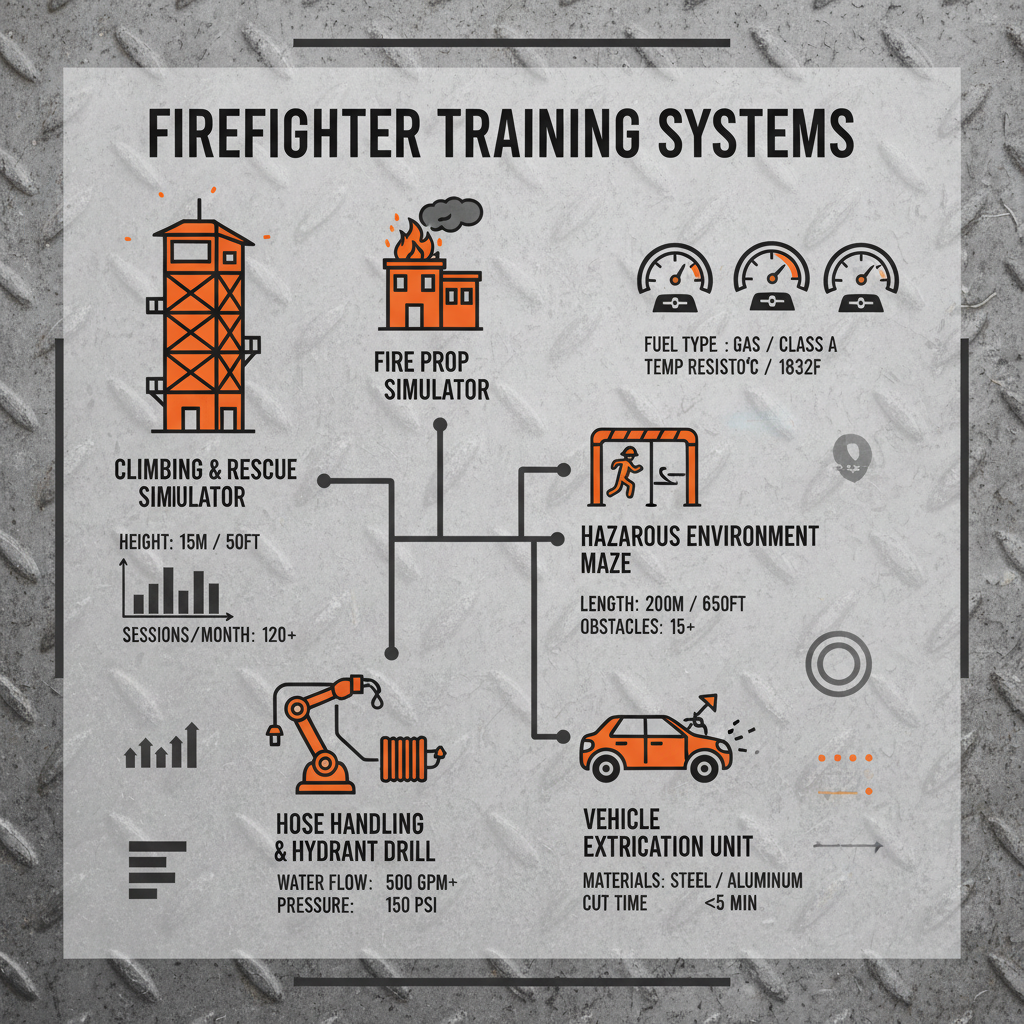
Firefighter training equipment can be broadly categorized into several key areas. These include structural firefighting training gear (turnout gear, SCBA), live fire training props, search and rescue equipment, confined space training tools, and hazardous materials simulation sets. Each category requires specific equipment designed to replicate real-world conditions as closely as possible, providing firefighters with valuable hands-on experience. The choice of equipment should align with the specific training objectives and the types of emergencies a department is likely to face.
Training Equipment Categories:
• Structural Firefighting Gear
• Live Fire Training Props
• Search and Rescue Equipment
• Confined Space Training Tools
• Hazardous Materials Simulation Sets
Comparing Live Fire Training Prop Options
Live fire training is a critical component of firefighter preparation, allowing them to practice firefighting techniques in a controlled environment. Different types of props are available, ranging from simple wood-fueled structures to sophisticated container fire props that simulate various building scenarios. The choice of prop depends on the training objectives, budget, and available space. Considerations include the fuel source, safety features, and the realism of the fire behavior.
The Importance of SCBA Training and Equipment
Self-Contained Breathing Apparatus (SCBA) is arguably the most critical piece of equipment for firefighters. Effective SCBA training is paramount to ensure firefighters can operate safely in Immediately Dangerous to Life or Health (IDLH) atmospheres. This training should include proper donning and doffing procedures, emergency procedures, and proficiency drills. Departments should invest in realistic SCBA training props, such as maze simulations, to challenge firefighters and reinforce their skills. Regular maintenance and inspection of SCBA units are non-negotiable. The right firefighter training equipment for SCBA drills is a vital investment.
Selecting the Right Vendor: Considerations for Quality and Support
Choosing a reputable vendor for firefighter training equipment is crucial. Look for vendors who offer high-quality products that meet or exceed industry standards (like NFPA). Consider the vendor’s experience, their commitment to customer support, and their ability to provide training and maintenance services. A vendor who understands the unique challenges faced by fire departments is a valuable partner. Don't solely focus on price; prioritize quality, durability, and long-term value.
Conclusion: Investing in Preparedness
Investing in comprehensive firefighter training equipment is not merely an expense; it's an investment in the safety of firefighters and the communities they serve. By equipping departments with the tools and resources they need to train effectively, we empower them to respond to emergencies with confidence and skill. Prioritize quality, realistic simulation, and ongoing training to ensure your department is prepared for whatever challenges may arise.
Frequently Asked Questions (FAQs)
What is the typical lifespan of live fire training props?
The lifespan of live fire training props varies depending on the materials used, frequency of use, and maintenance practices. Wood-fueled structures typically have a shorter lifespan (5-10 years) due to deterioration from heat and moisture. Container fire props, constructed from steel, can last significantly longer (15-20+ years) with proper maintenance, including rust prevention and regular inspections. Consistent maintenance is essential to maximize the lifespan of any live fire training prop.
How often should firefighters receive SCBA training?
Firefighters should receive initial SCBA training upon hire and then refresher training at least annually. More frequent training (quarterly) is recommended, especially for departments that respond to frequent incidents requiring SCBA use. Refresher training should include donning and doffing drills, emergency procedures, and simulated scenarios to reinforce proper techniques. Proficiency should be consistently evaluated.
What safety precautions should be taken during live fire training?
Live fire training requires strict adherence to safety protocols. These include a designated safety officer, proper PPE for all participants (including fire gear and SCBA), a controlled fire environment, and a clear communication system. Regular monitoring of fire behavior and ventilation is crucial. A detailed pre-training briefing and post-training debriefing are also essential. All personnel must be fully aware of emergency procedures and evacuation routes.
What are the key features to look for when purchasing firefighter turnout gear?
When selecting firefighter turnout gear, prioritize compliance with NFPA standards (like NFPA 1971). Look for features such as a durable outer shell, a moisture barrier, a thermal liner, and a comfortable fit. Consider the level of protection needed based on the types of incidents the department typically responds to. Proper sizing and adjustability are also essential for optimal comfort and mobility. Regular inspection and maintenance of turnout gear are crucial to ensure its effectiveness.




 English
  Arabic
  Bengali
  China
China  French
  German
  Hausa
Hausa  Indonesian
  Italian
  Japanese
  Javanese
  Malay
Malay  Persian
  Portuguese
  Punjabi
  Russian
  Spanish
  Swahili
  Telugu
  Vietnamese