








Understanding Water Fog Fire Suppression: A Quiet Revolution in Fire Safety
Fire incidents, ranging from industrial accidents to wildfires, continue to cause billions in damage globally every year. Water fog fire suppression systems have quietly emerged as a game-changer in controlling fires effectively while minimizing collateral damage. But what exactly is water fog fire suppression, and why is it making waves across industries and disaster relief efforts worldwide? Let’s unpack this technology, its global relevance, and how it’s shaping safer, smarter firefighting.
Global Context: Why Water Fog Fire Suppression Matters More Than Ever
According to the United Nations Office for Disaster Risk Reduction, fire disasters cause thousands of deaths and loss of assets globally every year. Particularly in developing economies, limited access to effective fire suppression elevates risks to lives and infrastructure.
Frankly, traditional sprinklers and foam-based systems have their limits: they consume huge volumes of water, damage sensitive equipment, or leave toxic residues. Water fog fire suppression, with its ultra-fine mist of water droplets, offers a more efficient and eco-friendly solution. Industrial sectors—ranging from petrochemical plants to data centers—now turn to this innovative approach to meet stringent environmental and safety regulations while maintaining operational uptime.
In short, the global urgency to adopt greener, safer fire suppression makes water fog systems a crucial piece of the puzzle.
Water Fog Fire Suppression Explained: What It Is and How It Works
At its core, water fog fire suppression is a technique that uses ultra-fine droplets of water—often less than 100 microns in diameter—to extinguish fires. Unlike traditional sprinkler systems that flood an area with water, water fog creates a mist that rapidly cools flames and displaces oxygen, effectively “starving” the fire.
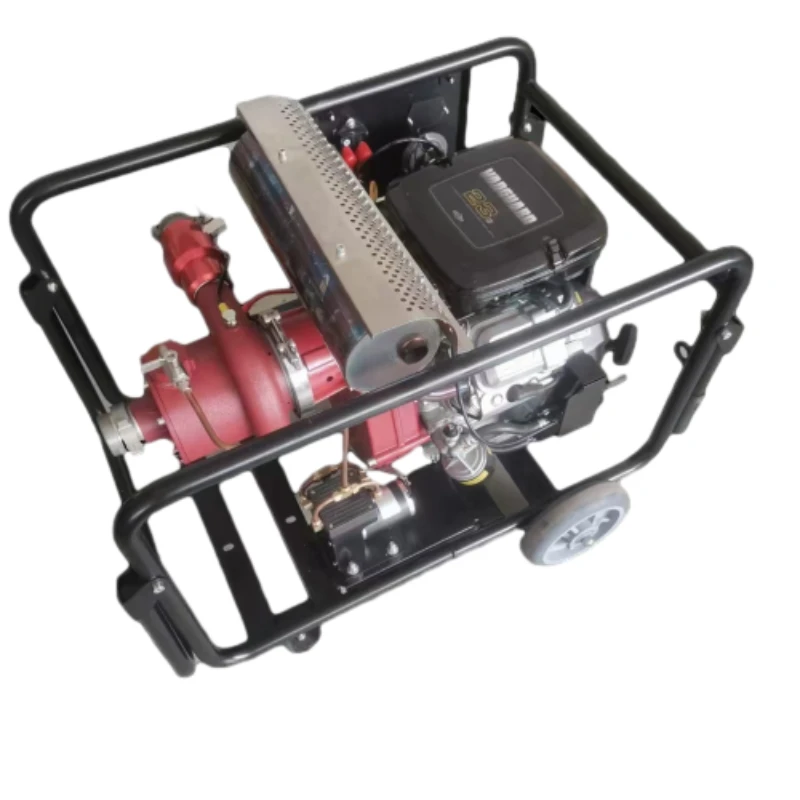
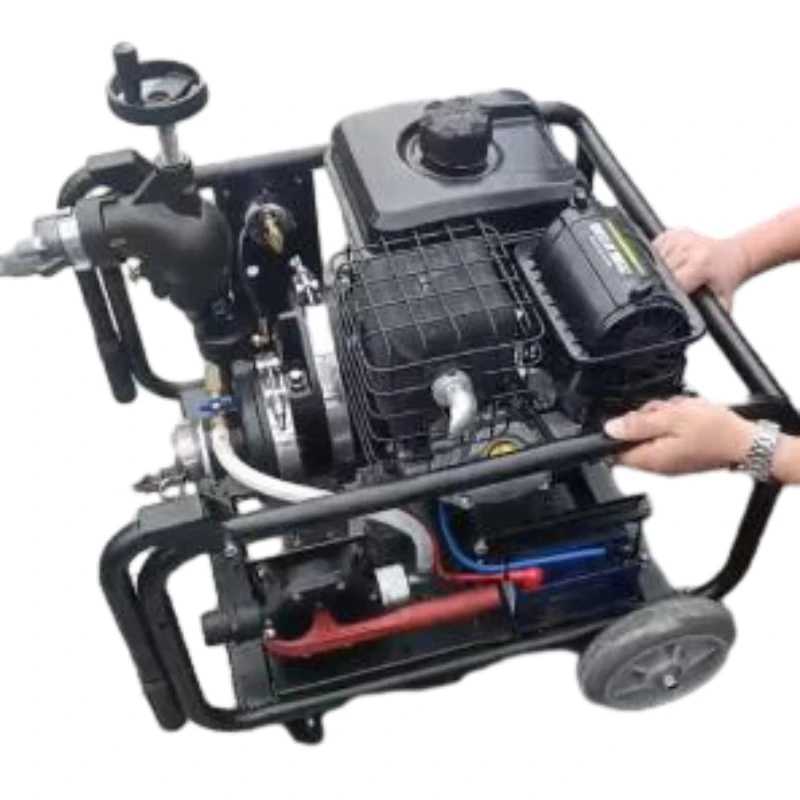
This method relies on advanced nozzles and high-pressure pumps to atomize water into a fog-like spray. Because the droplets are tiny, they evaporate quickly, absorbing heat and reducing smoke. The result? Faster suppression with far less water, minimal mess, and no chemical residues.
It’s no surprise that industries with sensitive electronics, such as data centers, or environmentally protected zones favor water fog suppression. The technique balances fire fighting effectiveness with preservation of assets—a fine line to walk in many operations.
Key Components That Make Water Fog Systems Tick
1. Droplet Size and Distribution
The effectiveness hinges on water droplet size. Smaller droplets evaporate faster, absorbing more heat while covering a larger surface area. Modern systems optimize droplet size to ensure rapid cooling and smothering.
2. Pressure and Pump Technology
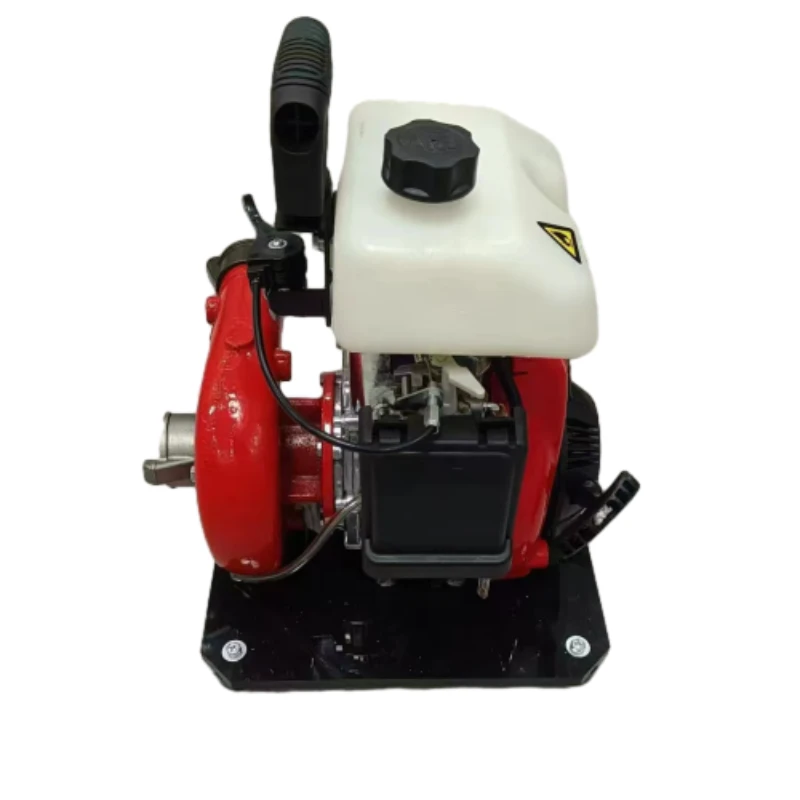
High-pressure pumps push water through specialized nozzles to create the ideal fog. Pressure systems range from 100 to 120 bar in many industrial setups, ensuring consistent performance even in challenging environments.
3. Versatility and Scalability
From compact electrical cabinets to large warehouses, water fog systems scale elegantly. Modular designs allow expansion or reconfiguration based on changing needs — a blessing in dynamic industries.
4. Environmental Compatibility
Using pure water without additives means these systems don’t produce harmful residues. This fascinates many environmental compliance officers and helps in industries like food processing.
5. Integration with Detection Systems
State-of-the-art deployments integrate water fog suppression with smoke and heat detectors for automated response — a mini brain that reacts faster than humans can.
Water Fog Fire Suppression in the Real World: Global Applications
Where does this technology find its footing? Roughly everywhere fire safety is non-negotiable. Here are some highlights:
- Industrial Plants: Petrochemical refineries and power stations use water fog to prevent catastrophic fires—especially where foam or dry chemicals might be hazardous.
- Data Centers: Protecting servers without damaging electronics is critical. Water fog extinguishes fires while preventing downtime and corrosion.
- Maritime Industry: Ships and offshore platforms rely on compact water fog systems since space and water supply are limited.
- Disaster Relief: In post-disaster zones, quick-deploy water fog units help control flare-ups, reducing the risk to first responders and aid workers.
- Forestry and Agriculture: In regions prone to wildfires, water fog can be used as a preventive mist in vulnerable zones.
Interestingly, countries like Japan, Germany, and the US lead adoption but emerging markets in Southeast Asia and Latin America are catching up, thanks to cost reductions and increased awareness.
Product Specification Snapshot: Typical Water Fog Fire Suppression System
| Feature | Typical Specification | Notes |
|---|---|---|
| Water Droplet Size | 20–100 microns | Optimized for rapid evaporation |
| Operating Pressure | 80–120 bar | Depends on nozzle design |
| Water Consumption | Reduced by ~70% vs. traditional sprinklers | Conserves critical water resources |
| Control Integration | Automatic with smoke/heat sensors | Enables rapid response |
| Environmental Impact | Negligible, no toxic residues | Supports green building standards |
Comparing Vendors: What to Look for in Water Fog Fire Suppression Providers
| Feature | Vendor A | Vendor B | Vendor C |
|---|---|---|---|
| System Customization | High | Medium | Low |
| Pressure Range | 80–130 bar | 90–110 bar | 70–100 bar |
| Integration with BMS (Building Management System) | Yes | Partial | No |
| Global Service Coverage | Europe, Americas, Asia | Europe, Middle East | North America only |
| Eco Certification | ISO 14001, LEED | ISO 9001 | None |
The Long-Term Value of Water Fog Fire Protection
When you weigh cost against benefits, water fog fire suppression scores high on three fronts:
- Cost Efficiency: Using less water means lower operational costs and quicker cleanup.
- Sustainability: No chemicals, minimal waste, and lower water draws align perfectly with green building codes.
- Social Impact: Faster fire containment means fewer injuries, less downtime, and greater trust in workplace safety.
On an emotional level, there's something reassuring about a system that protects without collateral harm. Many safety managers I've spoken to describe water fog as "gentle, yet fierce"—preventing disasters while preserving dignity and assets alike.
Looking Ahead: Emerging Trends in Water Fog Fire Suppression
Technology never stands still. We’re seeing:
- Smart Sensors: AI-driven detection systems predict fires before ignition, triggering fog preemptively.
- Renewable Energy Integration: Solar-powered pump stations bring suppression to off-grid locations.
- Eco-Optimized Nozzles: New alloys and 3D printing improve nozzle precision for even finer misting.
- Hybrid Systems: Combining water fog with inert gases or low-toxicity foams for specialized fires.
I suppose these innovations are fueled both by rising regulatory demands and by a growing cultural emphasis on sustainability and resilience.
Challenges and Practical Solutions
No system is flawless. Water fog faces hurdles, like:
- Initial Cost: High pressure pumps and specialized nozzles can be costly upfront.
- Water Source Dependency: Remote sites sometimes lack readily available water.
- System Maintenance: Precision equipment requires routine checks to avoid blockages or leaks.
Thankfully, many vendors offer modular pricing, onsite water recycling, and remote diagnostics to ease these pains. When designing fire safety, collaboration between engineers, suppliers, and operators reduces failures over time.
FAQ: Your Burning Questions About Water Fog Fire Suppression
- How does water fog compare to traditional sprinkler systems in terms of water use?
- Water fog uses roughly 70% less water than conventional sprinklers because the fine droplets cool the fire more efficiently and reduce wastage. This also leads to faster suppression times and less water damage overall.
- Can water fog systems be safely used in data centers or areas with sensitive electronics?
- Absolutely. Water fog’s fine mist minimizes wetting surfaces and limits water volume, making it ideal for protecting delicate equipment without causing corrosion or downtime.
- What maintenance does a water fog fire suppression system require?
- Regular inspections ensure nozzles remain unblocked, pumps operate at correct pressures, and sensors are calibrated. Maintenance every 6-12 months is typical, though critical environments may require more frequent checks.
- Are water fog systems environmentally friendly?
- Yes. Since they use pure water without chemicals, water fog systems produce no toxic runoff and conserve water, aligning well with environmental standards such as ISO 14001 and LEED.
- Can water fog technology be integrated with existing fire detection systems?
- Most modern water fog systems can connect to smoke, heat, or flame detectors and building management systems (BMS) for automated fire suppression, enabling rapid and autonomous response.
Wrapping Up: Why Water Fog Fire Suppression Deserves a Spot in Your Safety Plan
Summing up, water fog fire suppression bridges the gap between traditional water sprinklers and advanced chemical systems, offering a smart, sustainable, and highly effective fire protection solution worldwide. Whether in a sprawling petrochemical plant or a compact data center, it cuts down risks, costs, and environmental impact — and frankly, that’s a rare trifecta.
To explore tailored options or expert advice on deploying water fog fire suppression in your facility, visit our website: water fog fire suppression
Fire safety technology is evolving, and water fog stands quietly at the forefront. It’s not just about putting out fires anymore — it’s about protecting the future with wisdom and care.
References:




 English
  Arabic
  Bengali
  China
China  French
  German
  Hausa
Hausa  Indonesian
  Italian
  Japanese
  Javanese
  Malay
Malay  Persian
  Portuguese
  Punjabi
  Russian
  Spanish
  Swahili
  Telugu
  Vietnamese