








Understanding the Water Spray Fire Fighting System: A Vital Industry Safeguard
Fire safety isn’t just a checkbox on construction projects or industrial facilities—it’s a global imperative, crucial for protecting lives, assets, and the environment. Among various firefighting technologies, the water spray fire fighting system stands out as a frontline defender against fire hazards, especially where flammable liquids and high-risk materials are involved. But what exactly makes this system so important worldwide? Let’s unpack its role, components, uses, and future so you get why it matters—not only for industries but for communities too.
Why Water Spray Systems Matter Globally
Fire incidents remain a persistent global threat. According to the International Organization for Standardization (ISO), industries with flammable materials suffer most, with millions lost annually to fire damage and resultant downtime. The water spray fire fighting system addresses this by providing a rapid, efficient method to suppress fires and cool equipment, reducing catastrophic risks. Its design is tailored to diverse conditions—from oil refineries in the Middle East to warehousing facilities in Asia, and even large-scale shipping docks in Europe.
Takeaway: Water spray systems are a critical fire mitigation tool, providing safety and economic protection on a global scale.
What Is a Water Spray Fire Fighting System?
Simply put, a water spray fire fighting system disperses fine water droplets or sprays to cool flames, reduce heat, and prevent fire spread. Unlike traditional sprinklers that wet surfaces, these systems target the fire with controlled sprays, often in high-pressure streams. They’re an essential component in industries where hazardous materials or extreme heat make fires especially dangerous.
More than just equipment, these systems represent a convergence of engineering, safety protocols, and even humanitarian need—after all, controlling fires quickly can save lives and livelihoods, particularly in disaster or industrial accident zones.
Core Components and Key Factors
1. Durability and Materials
Water spray systems need to operate under extreme conditions—think corrosive environments, variable temperatures, and potential mechanical impacts. Hence, components are commonly crafted from stainless steel, brass alloys, or specially treated plastics to endure long-term exposure without failure.
2. Scalability and Customization
From localized equipment protection to sprawling industrial site coverage, scalability is crucial. Modular piping networks and varied nozzle designs allow these systems to be fine-tuned to the exact area’s risk profile, making them flexible across industries.
3. Response Time and Coverage
In fire safety, seconds count. Water spray systems are designed to react autonomously or manually in moments, creating protective water curtains or direct sprays that quickly cool hotspots.
4. Integration with Other Safety Measures
Modern systems often integrate with smoke detectors, alarms, and automated controls — a smart approach that boosts reliability and reduces human error under pressure.
5. Maintenance and Cost Efficiency
Good water spray systems balance upfront costs with ongoing upkeep ease. Reliable parts and clear maintenance schedules can drastically reduce long-term expenses.
Takeaway: When selecting a water spray fire fighting system, think durability, speed, fit for purpose, and ease of upkeep.
Product Specifications at a Glance
| Specification | Details |
|---|---|
| Nozzle Types | Fog, Spray, Deluge |
| Operating Pressure | 7-14 bar (100-200 psi) |
| Water Flow Rate | 50 to 1500 L/min |
| Activation | Automatic/manual trigger |
| Coverage Area | Up to 1000 m² per system |
Where Are Water Spray Systems Making a Difference?
- Oil & Gas Industry: Refineries and offshore platforms rely heavily on water spray systems to control fuel fires.
- Manufacturing Plants: Factories handling combustible dust or chemicals use these as primary safety measures.
- Transportation Hubs: Ports and freight yards implement large-scale water spray installations to protect containers and storage tanks.
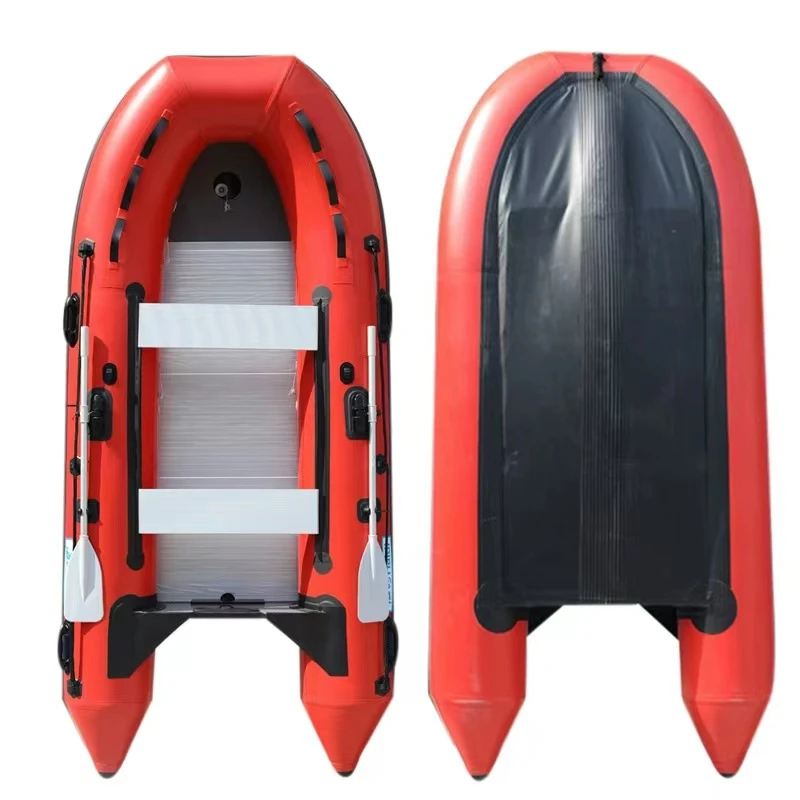
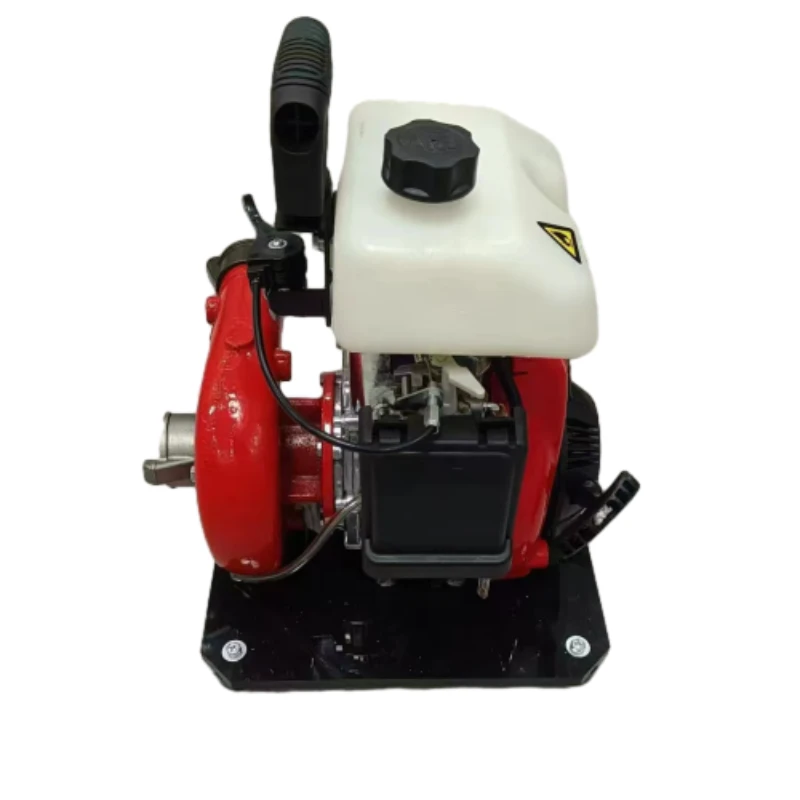
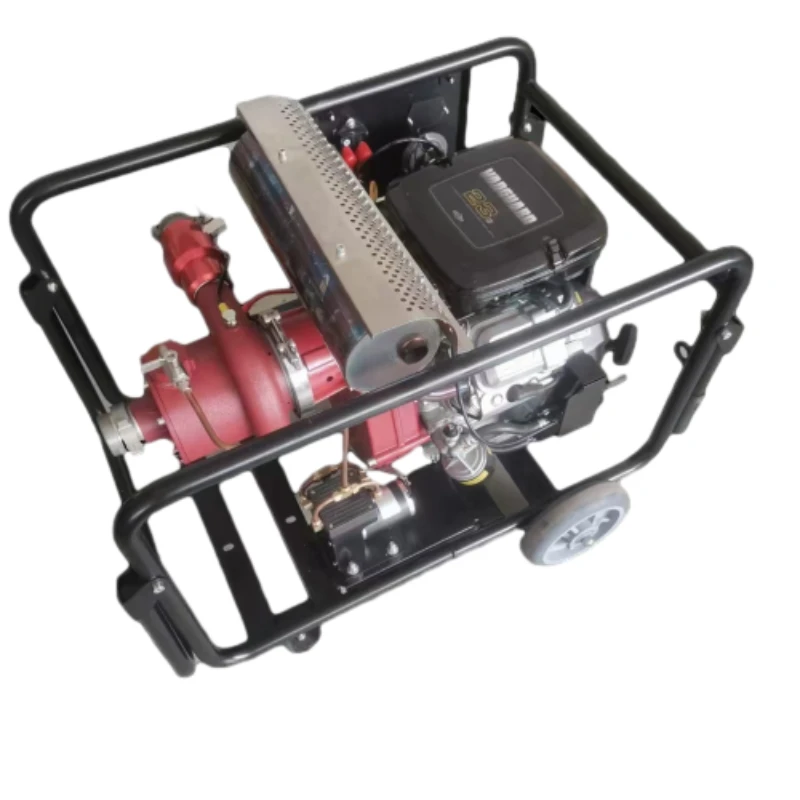
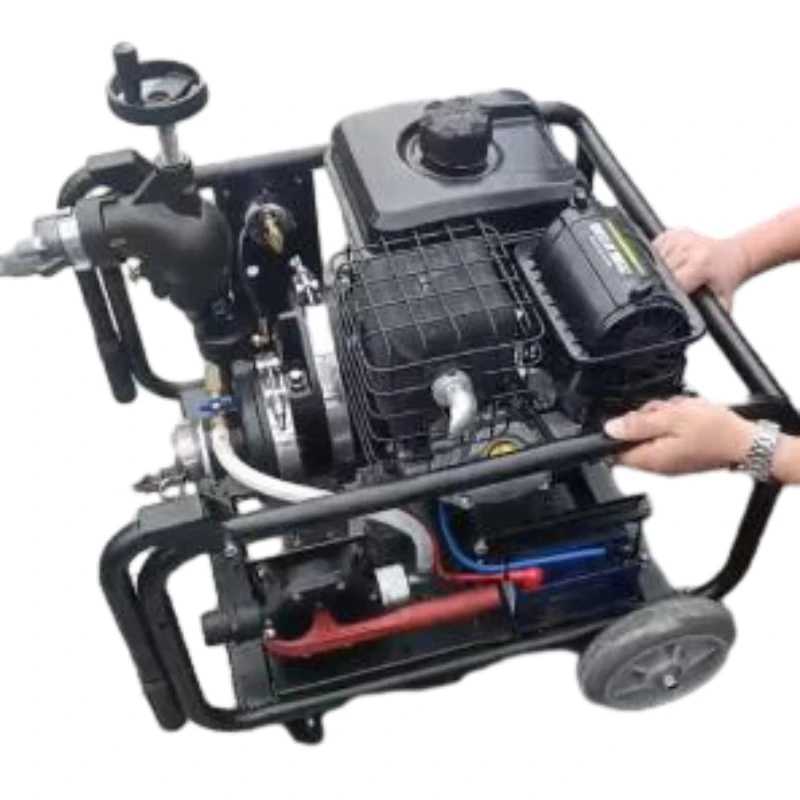
- Disaster Relief: Emergency responders deploy portable water spray units in post-disaster zones to control new fires and protect temporary shelters.
In fact, I recently spoke to an engineer working at a South Asian petrochemical complex where a well-implemented water spray system minimized fire damage after a pipeline rupture. The quick cooling effect saved both critical infrastructure and nearby workers—oddly enough, something that’s not widely reported but tells you about the system’s human impact.
Takeaway: From high-risk industries to humanitarian aid, water spray fire fighting systems are versatile and vital.
Advantages & Long-Term Value
Besides their obvious role in extinguishing fires, these systems bring a suite of benefits:
- Cost-effective Safety: Quicker fire response leads to less damage and lower insurance premiums.
- Environmental Sustainability: Using water carefully avoids chemical runoff common in foam-based systems. Some models even recycle water.
- Enhanced Trust: Stakeholders and regulators appreciate facilities that integrate advanced safety measures, boosting brand reputation.
- Peace of Mind: For workers onsite, knowing a reliable water spray system is ready adds a layer of psychological comfort that’s hard to quantify but very real.
Takeaway: The investment in water spray technology pays dividends in safety, sustainability, and stakeholder confidence.
What’s Next? Future Trends & Innovations
Innovation never sleeps. Upcoming trends include:
- Smart Systems: IoT-enabled water spray systems that self-monitor performance and alert maintenance teams before issues arise.
- Eco-Friendly Materials: Components made from bio-based or recyclable materials reduce environmental impact.
- Energy Efficiency: Pumps powered by renewable energy, such as solar-driven water pressurization, are in testing phases.
- AI Integration: Artificial intelligence will optimize spray patterns and system deployment in real-time for maximum fire suppression with minimal water use.
These advancements point to a future where water spray fire fighting systems not only protect better but also do so greener and smarter.
Common Challenges and Their Solutions
Now, no system is perfect. The main hurdles typically include:
- Water Supply Limitations: Remote sites may lack adequate water sources.
- System Complexity: Integration with other fire safety systems can be technically challenging.
- Maintenance Demands: Corrosion or nozzle clogging can reduce effectiveness if ignored.
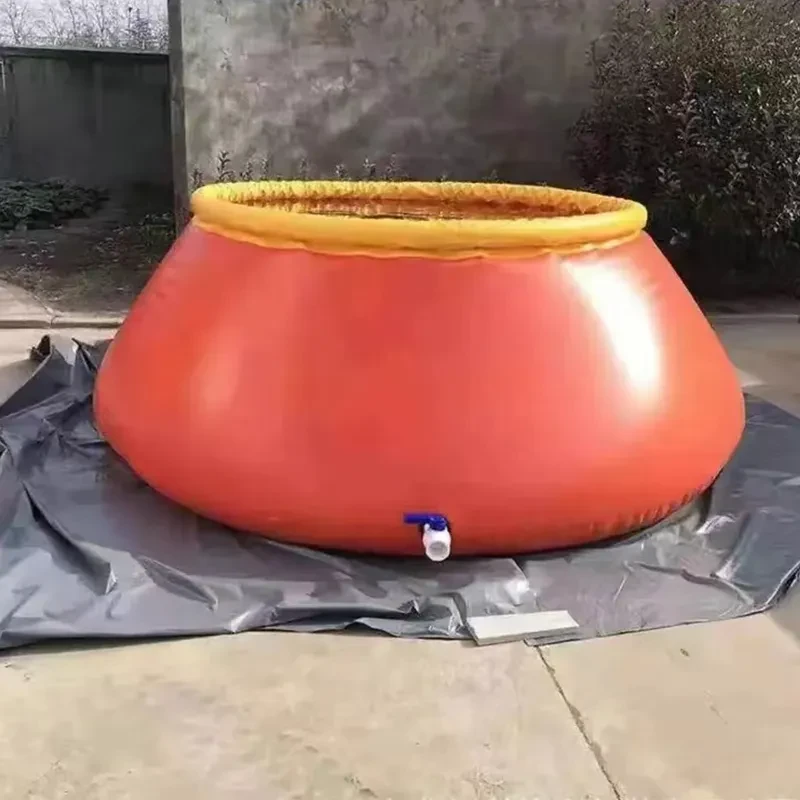
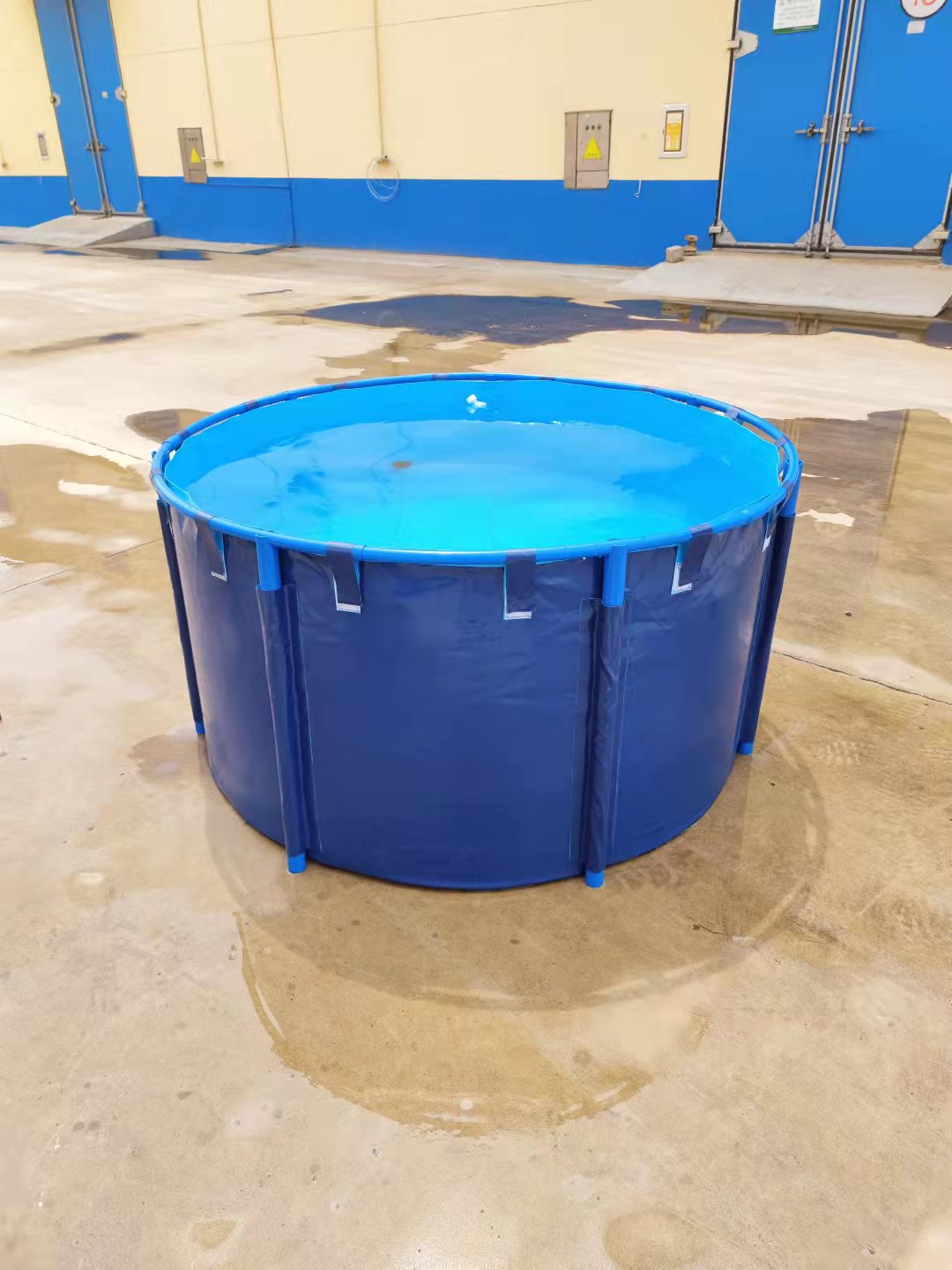
Experts recommend solutions such as installing water storage tanks for remote areas, employing modular installation designs for flexibility, and adopting routine inspection protocols based on ISO norms (see ISO 6182 series for fire protection). Additionally, some companies now offer remote diagnostics tools to trace performance trends and schedule maintenance proactively.
Takeaway: Challenges exist but smart planning and technology can mitigate risks effectively.
Frequently Asked Questions About Water Spray Fire Fighting Systems
- Q: Can water spray fire fighting systems be customized for different industrial hazards?
- A: Absolutely. Systems are designed with versatile nozzle types and pressure settings to adapt to specific risks like fuel fires, electrical equipment, or chemical storage.
- Q: How often should these systems be inspected and maintained?
- Typically, yearly formal inspections are recommended, with monthly visual checks. Critical environments might need more frequent maintenance, following local and international safety standards.
- Q: Are water spray systems environmentally friendly compared to foam systems?
- Generally, yes. Water sprays don’t introduce harmful chemicals, and some are designed to use water efficiently or recycle it, reducing environmental footprint.
- Q: Can portable water spray systems be used in emergency relief situations?
- Yes, many vendors offer mobile or temporary units that responders can deploy rapidly in disaster zones or temporary shelters to prevent secondary fires.
- Q: What is the typical lifespan of a well-maintained water spray fire fighting system?
- With proper care, systems can last 15-20 years or more. Component replacement cycles will vary, but quality installation and maintenance are keys to longevity.
Vendor Comparison: Leading Water Spray Fire Fighting Systems
| Vendor | System Types | Unique Features | Service & Support |
|---|---|---|---|
| FireTech Solutions | Industrial, Portable | AI-integrated smart sensors | 24/7 Support, Remote Diagnostics |
| HydroGuard Systems | Marine and Refinery | Corrosion-resistant coatings | On-site Training & Consultation |
| AquaDefend Corp | Commercial & Warehouse | Eco-friendly water recycling | Annual Maintenance Plans |
Conclusion
In real terms, a well-designed water spray fire fighting system is more than just a safety tool—it’s an investment in longevity, sustainability, and confidence. They save lives, protect assets, and increasingly align with environmental goals. Despite some challenges, ongoing innovation and expert design promise a safer, greener future for fire safety worldwide. If you oversee industrial safety or infrastructure, it’s worth exploring how such systems can enhance your fire protection strategy.
Ready to upgrade your fire safety? Visit our website: https://www.ffwfiresafety.com for tailored solutions.
Oddly enough, fire protection often feels like background noise—until you need it. Then you realize it’s the backbone of safe operations everywhere.




 English
  Arabic
  Bengali
  China
China  French
  German
  Hausa
Hausa  Indonesian
  Italian
  Japanese
  Javanese
  Malay
Malay  Persian
  Portuguese
  Punjabi
  Russian
  Spanish
  Swahili
  Telugu
  Vietnamese