








Essential Firefighter Tools for Bunker Gear: A Comprehensive Guide
Ensuring the safety of firefighters requires more than just durable bunker gear. The right firefighter tools are crucial for navigating hazardous environments and performing critical tasks. This article explores essential tools designed to complement bunker gear, focusing on functionality, safety, and how to choose the best equipment for the job. From forcible entry tools to thermal imaging cameras, we’ll cover everything you need to know to equip your team effectively. Protecting those who protect us demands the best possible gear.
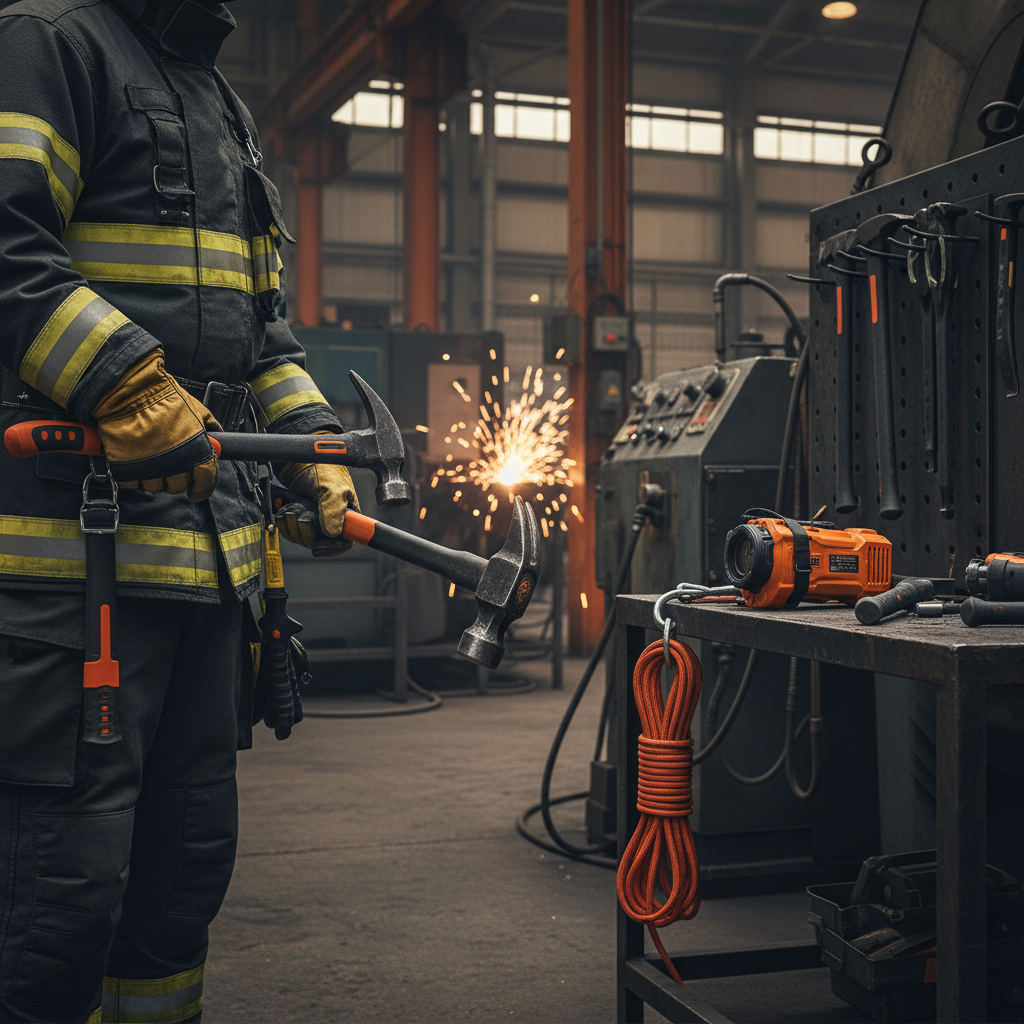
Forcible Entry Tools: Gaining Access When Seconds Count
Forcible entry is often the first step in rescue operations. Halligan bars, flathead axes, and bolt cutters are staples, allowing firefighters to overcome locked doors, windows, and other obstructions. Modern tools incorporate features like integrated striking surfaces and ergonomic grips for increased efficiency and reduced fatigue. Consider the materials – forged steel offers superior durability. Training is key; firefighters must be proficient in the safe and effective use of these tools. Remember, efficient entry can significantly reduce rescue times and save lives.
Key Takeaway: Forcible entry tools are crucial for rapid access during rescue operations. Proper training and durable construction are paramount.
Lighting Solutions for Low-Visibility Environments
Fire scenes are often shrouded in darkness and smoke. Reliable lighting is essential for visibility and situational awareness. Flashlights, headlamps, and scene lighting provide critical illumination. Modern LED technology offers long battery life, high lumen output, and durable construction. Look for features like adjustable beam focus and waterproof housings. Right lighting helps in navigation, victim location, and hazard assessment.
Lighting Benefits:
• Enhanced visibility in low-light conditions
• Improved situational awareness
• Facilitates victim location and hazard identification
Thermal Imaging Cameras (TICs): Seeing Through Smoke and Heat
Thermal imaging cameras are invaluable for locating victims, identifying hotspots, and assessing structural stability. TICs detect heat signatures, allowing firefighters to “see” through smoke and darkness. Modern TICs are compact, lightweight, and easy to operate. Features like adjustable palettes and zoom capabilities enhance their effectiveness. The initial investment can be substantial, but the life-saving potential is immeasurable. FFW Firesafety offers a range of TICs tailored to different operational needs.
Personal Safety Tools for Firefighter Gear
Beyond the larger tools, personal safety devices are essential. Escape hoods, personal locator beacons (PLBs), and fire shelter deployment devices can provide critical protection in emergency situations. These items should be integrated into every firefighter’s gear and regularly inspected. Don't overlook the importance of proper training on the use of these life-saving devices.
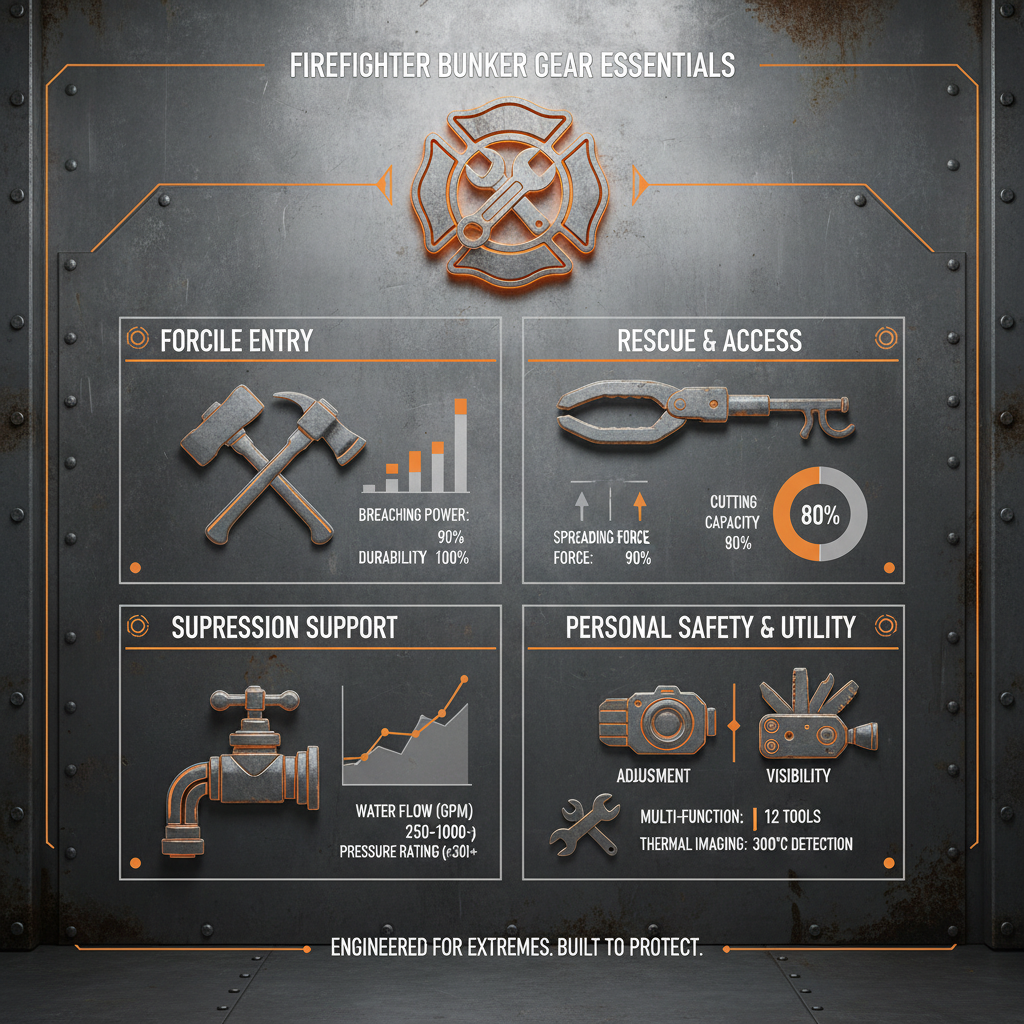
Selecting the Right Firefighter Tools for Your Needs
Choosing the right firefighter tools requires a careful assessment of your department’s specific needs and operational environment. Consider the types of structures you typically respond to, the potential hazards you face, and the level of training your personnel have received. Budget is also a factor, but safety should always be the top priority. FFW Firesafety can provide expert guidance and help you select the tools that best meet your requirements.
Conclusion: Equipping Firefighters for Success
Investing in high-quality firefighter tools is an investment in the safety and well-being of those who risk their lives to protect our communities. By providing firefighters with the right equipment, comprehensive training, and ongoing support, we can empower them to perform their jobs effectively and return home safely.
Frequently Asked Questions (FAQs)
What is the best way to maintain firefighter tools?
Regular maintenance is vital for ensuring the longevity and reliability of firefighter tools. This includes cleaning tools after each use, inspecting them for damage, and lubricating moving parts. Sharpening cutting edges is crucial for forcible entry tools. Batteries in lighting devices and TICs should be checked and replaced as needed. A detailed maintenance log should be kept for each tool, documenting inspections, repairs, and replacements.
How often should firefighters be trained on the use of new tools?
Firefighters should receive comprehensive training on the use of any new tool before it is deployed in the field. This training should include hands-on practice, scenario-based exercises, and a review of safety protocols. Refresher training should be conducted regularly to reinforce skills and address any new developments. Ongoing training ensures that firefighters are proficient and confident in their ability to use the tools effectively and safely.
What factors should be considered when purchasing a thermal imaging camera?
When purchasing a TIC, consider image resolution, battery life, durability, ease of use, and the availability of features like adjustable palettes and zoom capabilities. The size and weight of the camera are also important, as firefighters will need to carry it during operations. It’s crucial to choose a camera that meets relevant safety standards and is backed by a reputable manufacturer like FFW Firesafety.
Are there specific tools recommended for wildland firefighting?
Wildland firefighting requires specialized tools, including hand tools like pulaskis and McLeod tools for creating firebreaks, and chain saws for clearing vegetation. Fire shelters and personal protective equipment designed for extreme heat are also essential. Specialized radios and GPS devices are crucial for communication and navigation in remote areas. The specific tools needed will depend on the terrain and the type of vegetation being fought.




 English
  Arabic
  Bengali
  China
China  French
  German
  Hausa
Hausa  Indonesian
  Italian
  Japanese
  Javanese
  Malay
Malay  Persian
  Portuguese
  Punjabi
  Russian
  Spanish
  Swahili
  Telugu
  Vietnamese