








Choosing the Right Firefighter Tool Bag: A Comprehensive Guide
For firefighters, having the right equipment readily accessible can be the difference between a successful operation and a critical delay. A reliable firefighter tool bag is essential for carrying and organizing vital tools. This article provides an in-depth look at choosing the best tool bag, considering materials, features, and specific needs. We’ll explore the factors that contribute to a durable and efficient tool bag, ensuring firefighters have the tools they need, when they need them. Selecting the optimal bag is a crucial step in enhancing operational readiness and safety.
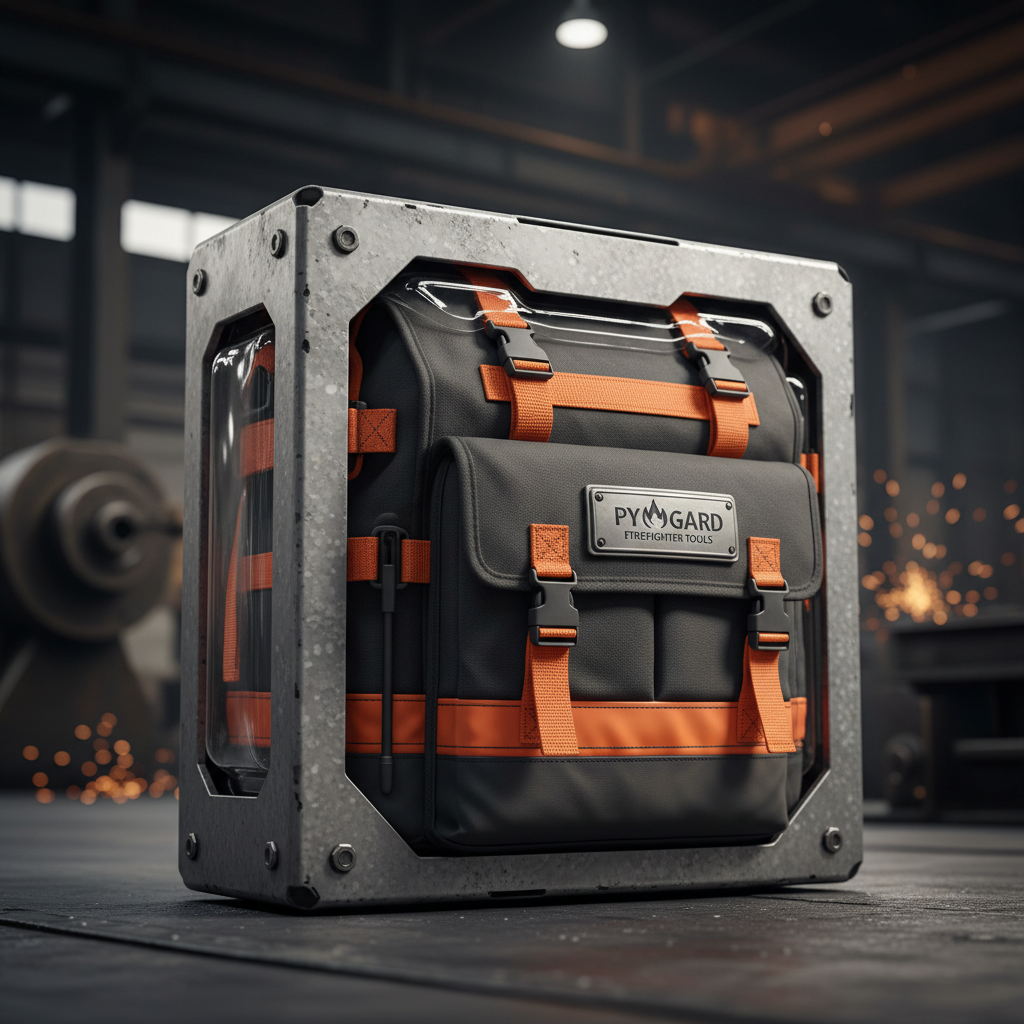
Key Features to Look For in a Firefighter Tool Bag
When selecting a firefighter tool bag, several key features should be prioritized. Durability is paramount, as these bags endure harsh conditions. Look for bags constructed from heavy-duty materials like nylon or reinforced polyester. Consider the bag’s size and capacity – it should be large enough to accommodate essential tools without being unwieldy. Organizational features, such as multiple compartments and pockets, are crucial for efficient access to tools. Finally, consider comfort features like padded handles and shoulder straps for easy carrying. The right bag streamlines workflow and contributes to firefighter safety. A well-designed firefighter tool bag should be an extension of a firefighter’s preparedness.
Key Highlights: Look for heavy-duty materials, ample storage, organized compartments, and comfortable carrying features for optimal performance in demanding situations.
Materials Matter: Comparing Tool Bag Construction
The material of a firefighter tool bag significantly impacts its durability and longevity. Common materials include nylon, polyester, and canvas. Nylon offers excellent abrasion resistance and is lightweight, but can be prone to tearing under extreme stress. Polyester is more resistant to tearing but may not be as abrasion-resistant as nylon. Canvas provides a robust and rugged exterior, but it’s heavier and can retain water. Reinforced materials, such as ballistic nylon, offer the best combination of durability and weight. Choosing the right material depends on the specific demands of the job and the desired balance between weight, durability, and cost.
Material Comparison:
• Nylon: Lightweight, good abrasion resistance.
• Polyester: Tear-resistant, moderate abrasion resistance.
• Canvas: Rugged, durable, but heavier and retains water.
• Ballistic Nylon: Superior durability and weight balance.
Firefighter Tool Bag Size and Compartmentalization
The size and internal organization of a tool bag are crucial for efficient tool management. Consider the tools you routinely carry – halligan bars, bolt cutters, forcible entry tools, flashlights, and communication devices. Choose a bag with sufficient capacity to accommodate these tools without overcrowding. Multiple compartments and pockets are essential for keeping tools organized and easily accessible. Look for bags with dedicated slots for specific tools, such as flashlight holders or wrench organizers. External pockets can provide quick access to frequently used items. A well-organized bag saves valuable time during emergency situations.
Comfort and Carry Options: Ensuring Ease of Use
Firefighters often carry heavy loads, so comfort is crucial. Look for firefighter tool bags with padded handles and adjustable shoulder straps. Padded straps distribute weight more evenly, reducing strain on the shoulders and back. A comfortable carry design allows firefighters to move quickly and efficiently, even when fully loaded. Some bags also feature trolley sleeves for easy attachment to rolling luggage, ideal for travel or transport over long distances. Consider the type of carrying method that best suits your needs and operational requirements.
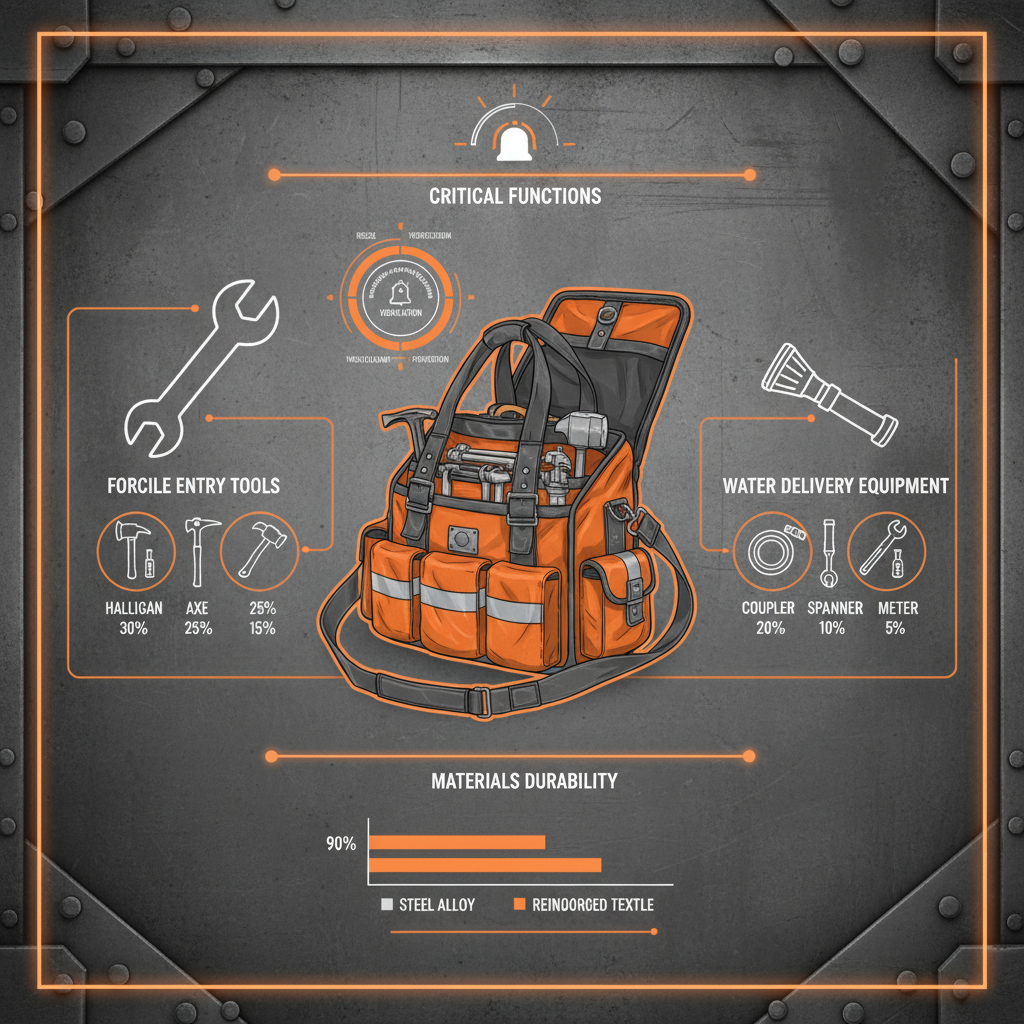
Choosing the Right Firefighter Tool Bag: A Summary
Selecting the right firefighter tool bag is a critical investment in operational safety and efficiency. Prioritize durability, size, organization, and comfort. Consider the specific tools you need to carry and the demands of your work environment. By carefully evaluating these factors, you can choose a bag that meets your needs and helps you perform your duties effectively. Remember, a reliable tool bag is an essential component of a firefighter's equipment.
Conclusion: Prioritizing Safety and Efficiency
Investing in a high-quality firefighter tool bag is a crucial step in ensuring safety and enhancing operational efficiency. By selecting a bag that offers durability, ample storage, and comfortable carry options, firefighters can be confident they have the tools they need, readily accessible, when it matters most. Don’t compromise on quality – choose a tool bag that reflects the importance of your work.
Frequently Asked Questions (FAQs)
What should I consider when choosing a tool bag size?
Consider the types and quantities of tools you regularly carry. A small bag (18-20") is suitable for personal tools and quick-access items. A medium bag (22-24") is ideal for general duty and common tools. A large bag (26-28") is best for forcible entry and extensive tool sets. It's better to err on the side of slightly larger to accommodate future needs or unexpected equipment. Think about the weight capacity you'll need and how easily you need to access specific tools.
How important is water resistance in a firefighter tool bag?
Water resistance is highly important. Firefighting operations often take place in wet conditions. A water-resistant bag protects your tools from rust, corrosion, and damage, ensuring they remain functional when you need them most. It also prevents the bag itself from becoming excessively heavy and uncomfortable due to water absorption. Look for bags made from water-resistant materials or with a waterproof coating.
What features should I look for in terms of organization?
Multiple compartments and pockets are crucial for organization. Look for dedicated slots for specific tools like flashlights, wrenches, or forcible entry tools. External pockets provide quick access to frequently used items. Elastic straps or loops can secure tools in place, preventing them from shifting during transport. The ability to customize the interior layout is also a valuable feature.





 English
  Arabic
  Bengali
  China
China  French
  German
  Hausa
Hausa  Indonesian
  Italian
  Japanese
  Javanese
  Malay
Malay  Persian
  Portuguese
  Punjabi
  Russian
  Spanish
  Swahili
  Telugu
  Vietnamese