








Understanding Water Mist: A Global Perspective
If you’ve ever stood close to a fine morning fog or felt the cool spray from a garden sprinkler, you’ve experienced water mist — tiny droplets suspended in the air. In modern fire safety and industrial applications, this simple natural phenomenon has evolved into an advanced, lifesaving technology known as water mist systems.
Why does this matter globally? Well, fire safety is a universal concern, and as urban spaces densify while industries grow increasingly complex, efficiently controlling fires without collateral damage or environmental harm is an urgent challenge. Water mist plays a key role here — it’s both a greener alternative to traditional sprinklers and an extremely effective fire suppressant.
Mini takeaway: Water mist isn't just science in a nozzle; it's a versatile, eco-friendly solution battling fire risks worldwide.
Water Mist’s Role in the Modern World
From the latest UN safety guidelines to ISO regulations on fire suppression, water mist is gaining recognition. The World Bank cites fire-related losses amounting to billions annually — not just in property but human lives and environmental damage. In many parts of the world where water scarcity collides with rising fire risks, conventional sprinkler systems seem wasteful and sometimes ineffective.
Here’s where water mist shines: its ultra-fine droplets require less water volume to cool and smother flames, limiting water damage and conserving resources. Plus, industrial plants, heritage sites, hospitals, and even humanitarian setups increasingly rely on it to protect vital assets with minimal disruption.
Mini takeaway: As urban growth and climate change fuel fire hazards, water mist’s efficient, resource-conscious technology becomes a global game-changer.
What Exactly is Water Mist?
In simple terms, water mist consists of microscopic water droplets smaller than 1000 microns, often generated by specialized nozzles that transform pressurized water into a “fog.” Unlike regular sprinklers which produce larger droplets that fall quickly, water mist droplets float longer, absorbing heat and reducing oxygen near flames.
Technically, it’s not just about spraying water but controlling droplet size to maximize heat absorption and flame inhibition. That precision makes water mist systems ideal in confined or sensitive spaces like hospitals, data centers, or archival libraries, where water damage from traditional sprinklers could be catastrophic.
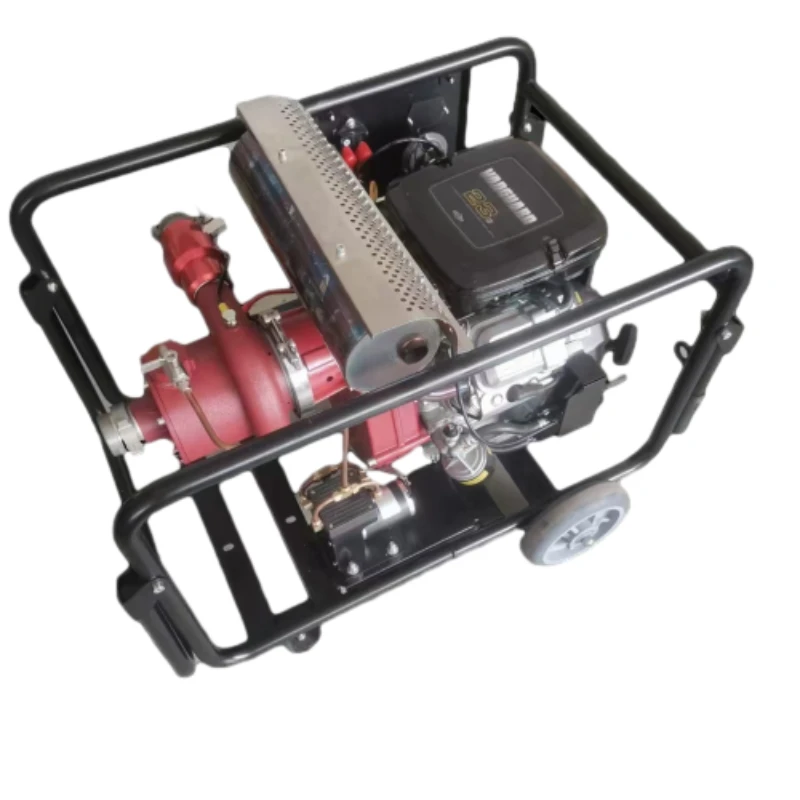
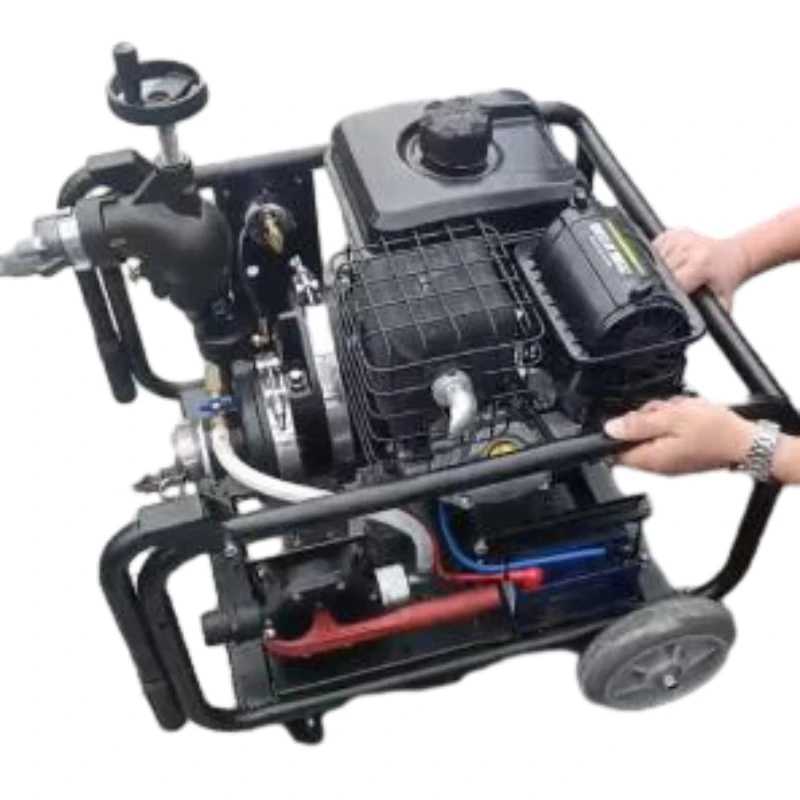
And beyond industry? In humanitarian disaster response, portable water mist units help protect temporary shelters and emergency equipment — a testament to water mist’s expanding humanitarian footprint.
Mini takeaway: Water mist equals smart fire control — tiny water droplets with big impact, tailored to modern industrial and humanitarian needs.
Core Components and Considerations of Water Mist Systems
1. Droplet Size and Distribution
Getting droplet size right is critical. Smaller droplets cool faster and create a barrier to oxygen circulation around a flame. This means fire suppression can happen quicker and with less water — a boon in places with limited water supply or delicate contents.
2. System Pressure and Nozzle Design
High-pressure pumps (usually above 100 bar) force water through specialized nozzles, atomizing it efficiently. The nozzle’s material, shape, and scale are carefully engineered for reliability and optimum mist generation.
3. Durability and Maintenance
Since these systems must be ready 24/7, corrosion resistance, clogging prevention, and ease of inspection are important. Materials like stainless steel and hardened composites are common to ensure longevity.
4. Scalability and Integration
From a small server room to an expansive warehouse, systems can be modularly designed, integrated with fire alarms, or linked to building automation for real-time control.
5. Cost Efficiency
Though upfront costs might be higher than traditional setups, water mist’s water savings, minimal cleanup, and insurance incentives make it cost-effective long-term.
| Specification | Typical Range/Value | Notes |
|---|---|---|
| Droplet Size | 10–1000 microns | Optimal range depends on application |
| Operating Pressure | 60–140 bar | Higher pressure for fine mist |
| Water Consumption | 20–50% of sprinkler use | Less water needed means less damage |
| Response Time | Within seconds | Rapid suppression reduces fire spread |
Mini takeaway: Precision in design—from nozzles to pressure—is the backbone of effective water mist systems.
Real-World Applications of Water Mist Technology
It’s always refreshing to see elegant technology actually do its job in tough spots. Globally, water mist systems protect:
- Heritage sites: Saving irreplaceable art and artifacts by minimizing water damage.
- Hospitals and data centers: Ensuring operational continuity by rapid fire suppression without drenching sensitive equipment.
- Offshore oil platforms: Combating hydrocarbon fires where space and safety are critical.
- Humanitarian shelters: Portable systems guard vulnerable communities in disaster-prone regions.
Countries investing in these systems include Japan, with its stringent fire safety standards, Scandinavian nations focusing on sustainability, and parts of the Middle East where harsh environments challenge traditional methods.
Mini takeaway: Water mist’s flexibility shines across the globe—from historic palaces to emergency shelters.
Advantages and the Long-Lasting Impact of Water Mist Systems
Here’s where things get exciting. Water mist isn’t just about putting out fires—it’s about doing so thoughtfully. Less water means less cleanup, fewer interruptions, and less environmental impact. Property owners face reduced downtime and insurers often offer better premiums for installations that cut risks so precisely.
On a social level, deploying advanced fire safety reassures communities and workers alike — a simple human need for security and dignity. The innovation behind water mist, minimizing damage while maximizing safety, represents the kind of progress that feels good in your gut.
Emerging Trends and Innovations in Water Mist Technology
Looking forward, integration with smart sensors, IoT platforms, and AI-based fire detection is transforming water mist from reactive to proactive solutions. There’s also development in eco-friendly materials for system components, reducing environmental footprints even further.
Interestingly, hybrid systems combining water mist with inert gases or foam additives are gaining traction for specialized industrial sectors. Energy-efficient pumps and solar-powered units promise better sustainability for off-grid applications.
The Challenges Ahead and Practical Solutions
Water mist systems are amazing but not perfect. Installation complexity and upfront capital can deter some users. Also, system performance must be tailored meticulously for each application — a one-size-fits-all approach just won’t cut it.
However, innovations like modular pre-assembled units, advanced simulation for site-specific design, and clearer international standards are smoothing the learning curve and simplifying deployment.
Frequently Asked Questions About Water Mist
Q: How does water mist compare to traditional sprinklers in terms of water usage?
A: Water mist systems typically use between 20–50% less water than conventional sprinklers. Their fine droplets are more effective at absorbing heat and reducing oxygen near flames, allowing for faster fire suppression with less water, reducing water damage and conserving resources.
Q: Can water mist systems be installed in historic buildings without harming artifacts?
A: Yes, because water mist uses much smaller droplets, it significantly reduces water damage risks compared to sprinklers. This makes it ideal for protecting sensitive archival collections, art galleries, and other heritage sites where preserving the environment is crucial.
Q: Are water mist fire suppression systems suitable for outdoor installations?
A: While water mist is most effective indoors or in confined spaces, specialized nozzles and configurations have been developed for certain outdoor applications like fuel storage or offshore platforms. However, wind and weather can impact effectiveness outdoors.
Q: How reliable are water mist systems in extreme climates?
A: With proper materials and design considerations, water mist systems perform well in both hot and cold environments. Corrosion-resistant components and freeze protection measures help ensure year-round reliability.
Q: What maintenance is needed to keep a water mist system effective?
A: Regular inspections for nozzle clogging, pressure checks, corrosion control, and system testing are essential. Due to the fine nozzles, maintenance is slightly more involved than traditional sprinklers but manageable with proper schedules.
Wrapping Up: Why Water Mist Matters for the Future
Water mist technology offers a compelling blend of efficiency, safety, and environmental stewardship. As fire risks evolve in tandem with climate change and industrial growth, the need for smarter, leaner suppression systems grows too. If you’re considering upgrading or installing fire protection, understanding water mist’s benefits and applications is a solid first step.
For deeper insights and solutions tailored to your needs, check out our site at ffwfiresafety.com — because when it comes to protecting lives and assets, every drop counts.
| Vendor | Specialization | Global Reach | Typical Applications | Price Range |
|---|---|---|---|---|
| MistTech Solutions | High-pressure water mist systems | Europe, North America, Asia | Industrial, data centers, heritage | $$$ |
| EcoMist Fire | Eco-friendly materials and solar-powered units | Scandinavia, Australia | Remote industrial zones, humanitarian use | $$$$ |
| SafeSpray Dynamics | Hybrid mist and foam fire suppression | Middle East, USA | Oil platforms, chemical industries | $$ |
References:




 English
  Arabic
  Bengali
  China
China  French
  German
  Hausa
Hausa  Indonesian
  Italian
  Japanese
  Javanese
  Malay
Malay  Persian
  Portuguese
  Punjabi
  Russian
  Spanish
  Swahili
  Telugu
  Vietnamese