








Choosing the Right Firefighter Saw: A Comprehensive Guide
When facing emergency situations, firefighters rely on dependable tools to perform critical tasks. Among these, the firefighter saw is essential for ventilation, rescue operations, and gaining access to structures. Selecting the appropriate saw is crucial for efficiency, safety, and overall success. This guide explores the different types of firefighter saws, key features, considerations for purchase, and how FFW Fire Safety can help you find the ideal solution.
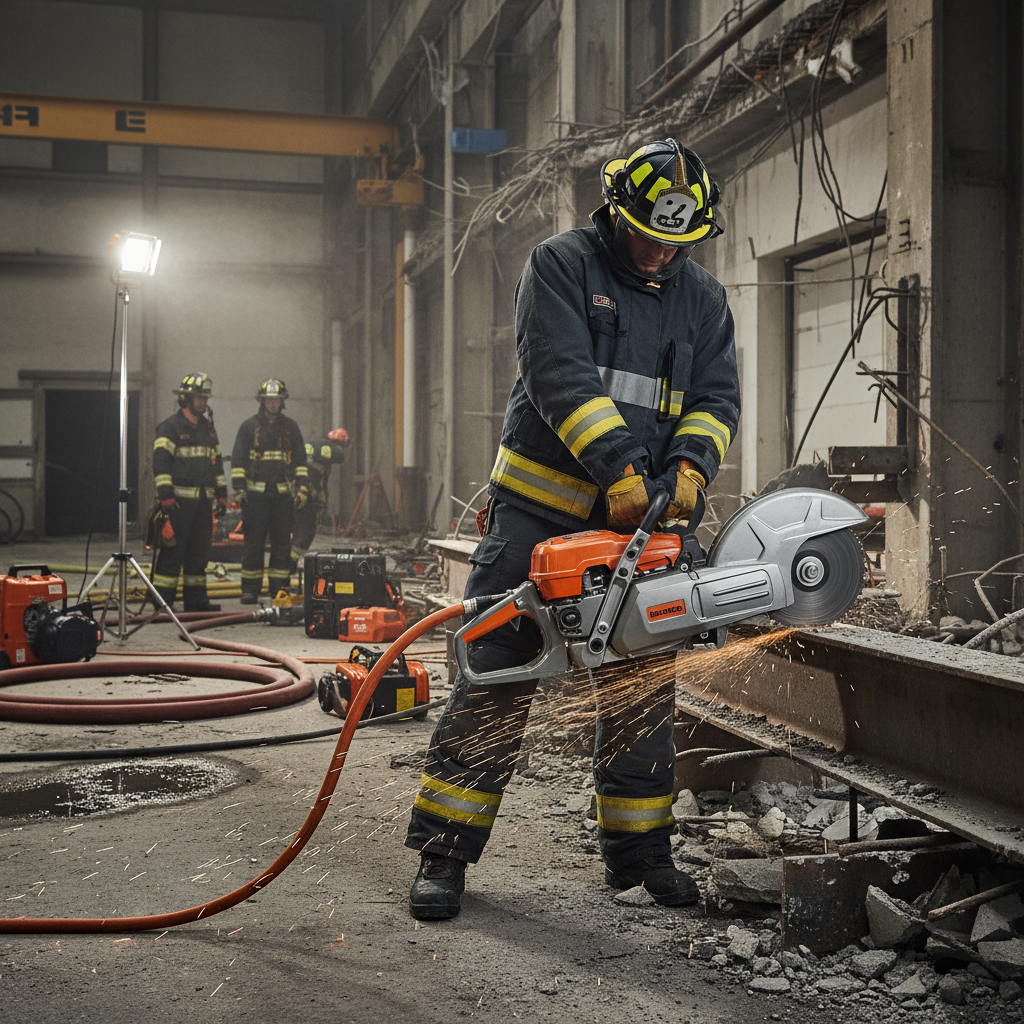
Types of Firefighter Saws
Firefighter saws come in several varieties, each designed for specific applications. The most common types include chain saws, circular saws, and reciprocating saws. Chain saws are powerful and effective for breaching walls and cutting through large obstructions, but require more training and maintenance. Circular saws offer faster cutting speeds for lighter materials. Reciprocating saws are versatile and ideal for confined spaces, but may be slower for larger cuts. Understanding the strengths and weaknesses of each type is essential for making an informed decision.
Key Consideration: The specific operational needs of your fire department will dictate the most suitable type of firefighter saw. Consider the typical structure types encountered and the types of rescue scenarios frequently faced.
Key Features to Look for in a Firefighter Saw
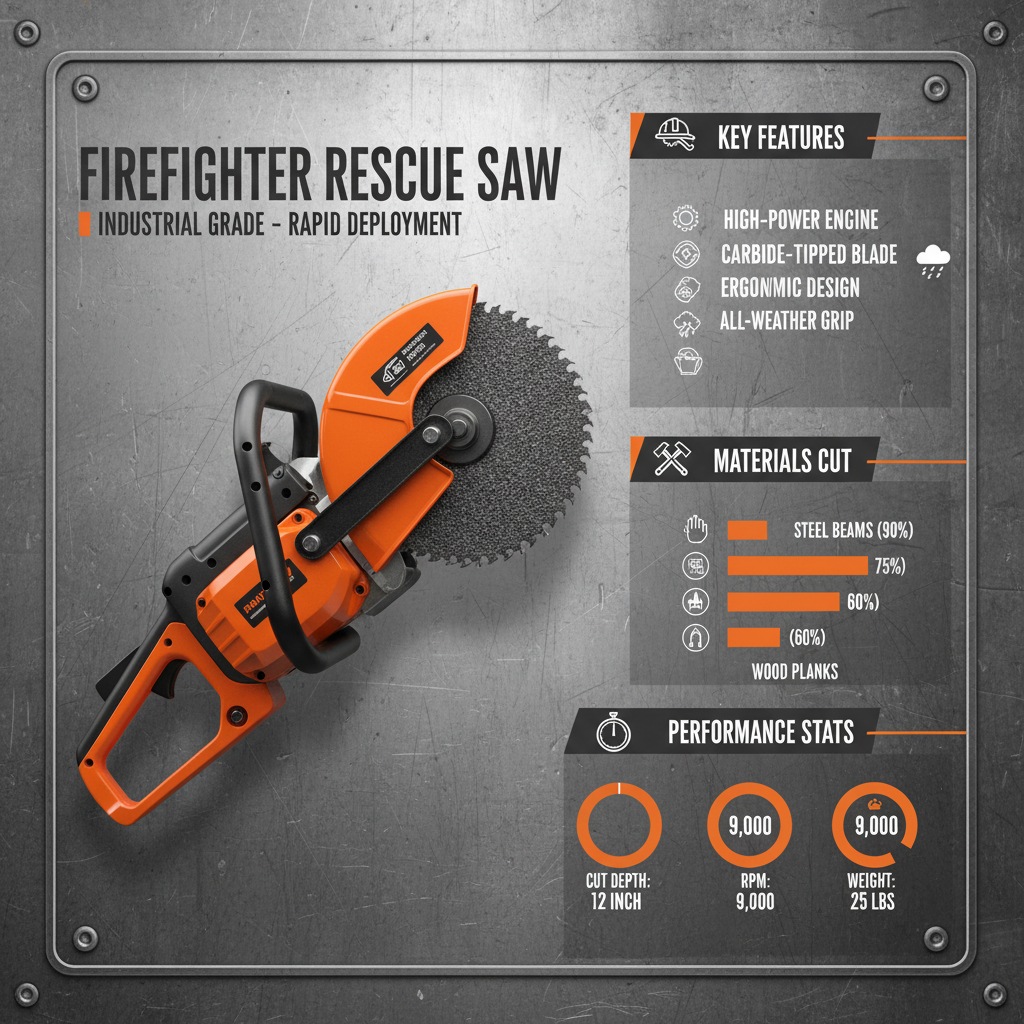
Beyond the type of saw, several key features contribute to its effectiveness and safety. Engine power (for gas-powered saws) or battery voltage/amp hours (for electric saws) directly impacts cutting performance. Blade type and material are critical for handling different materials – from wood and metal to concrete and composite materials. Ergonomic design and weight distribution are crucial for reducing firefighter fatigue during extended operations. Finally, safety features like chain brakes, anti-vibration systems, and spark arrestors are non-negotiable for protecting firefighters from injury.
Essential Features:
• High Engine Power/Battery Voltage
• Durable Blade Materials
• Ergonomic Design & Balanced Weight
• Robust Safety Features
Gas vs. Electric Firefighter Saws: A Comparative Analysis
A key decision point is whether to choose a gas-powered or electric firefighter saw. Gas saws offer high power and runtime, making them suitable for prolonged operations in remote locations. However, they require fuel, produce emissions, and involve more maintenance. Electric saws are quieter, emit no fumes, and require less maintenance, but their runtime is limited by battery capacity and they may not offer the same raw power as gas models. The best choice depends on the specific demands of the fire department and its operational environment.
Why Choose FFW Fire Safety for Your Firefighter Saw Needs?
FFW Fire Safety offers a wide selection of high-quality firefighter saws from leading manufacturers. We understand the critical role these tools play in emergency response and are committed to providing reliable, durable equipment that meets the highest safety standards. Our expert team can assist you in selecting the right saw for your specific needs, offering personalized recommendations and technical support. We also provide comprehensive maintenance and repair services to ensure your equipment remains in optimal condition.
Ensuring Proper Maintenance and Safety
Regular maintenance is paramount to ensure the reliability and longevity of your firefighter saw. This includes cleaning, lubricating, and sharpening blades, as well as inspecting for wear and tear. Firefighters should receive thorough training on the proper use, maintenance, and safety procedures for each type of saw. Following manufacturer's guidelines and adhering to strict safety protocols are essential for preventing accidents and maximizing the effectiveness of this vital tool.
Conclusion: Investing in the Right Firefighter Saw
Choosing the right firefighter saw is a critical investment in the safety and effectiveness of your fire department. FFW Fire Safety is your trusted partner, providing high-quality equipment, expert guidance, and ongoing support. Don’t compromise on the tools that protect those who protect us.
Frequently Asked Questions (FAQs)
What type of blade is best for cutting through metal with a firefighter saw?
For cutting through metal, a blade specifically designed for ferrous metals is essential. These blades are typically made from high-speed steel or carbide-tipped materials. The tooth configuration is crucial – look for blades with finer teeth for thinner metals and coarser teeth for thicker metals. Using the wrong blade can damage the saw, create sparks, and even lead to kickback, posing a safety risk. Always consult the saw's manual for recommended blade types and specifications.
How often should a firefighter saw blade be sharpened?
The frequency of blade sharpening depends on the type of material being cut and the frequency of use. However, as a general guideline, a blade should be sharpened after approximately 5-10 hours of use, or whenever it begins to show signs of dullness, such as increased cutting time or a rougher cut. A dull blade requires more force, increasing the risk of kickback and firefighter fatigue. Regularly inspect the blade for damage and replace it if necessary.
What safety precautions should firefighters take when operating a firefighter saw?
Safety is paramount when operating a firefighter saw. Always wear appropriate personal protective equipment (PPE), including eye protection, hearing protection, gloves, and sturdy footwear. Ensure the work area is clear of obstructions and bystanders. Maintain a firm grip on the saw and use proper cutting techniques. Be aware of potential kickback and avoid overreaching. Never operate a saw if you are fatigued or impaired. Always follow the manufacturer's safety guidelines and receive proper training before using any firefighter saw.








 English
  Arabic
  Bengali
  China
China  French
  German
  Hausa
Hausa  Indonesian
  Italian
  Japanese
  Javanese
  Malay
Malay  Persian
  Portuguese
  Punjabi
  Russian
  Spanish
  Swahili
  Telugu
  Vietnamese