








Why Sea Water Fire Pumps Matter in a Rapidly Changing World
When it comes to protecting lives and assets along coasts, harbors, and offshore platforms, the humble sea water fire pump plays a crucial role. It’s not just about moving water swiftly—it’s about reliability, resistance, and a dash of engineering finesse. Across industries like maritime shipping, power generation, and coastal infrastructure, these pumps provide a lifeline in emergency fire situations. Understanding their design and application isn’t just technical jargon; it’s pivotal for safety worldwide.
The Global Relevance of Sea Water Fire Pumps
According to the International Maritime Organization (IMO), fire incidents on ships can be catastrophic, often resulting in massive loss of cargo, environmental impact, and even human lives. The UN Environment Programme highlights coastal population growth—expected to reach nearly 2.4 billion by 2030—escalating the demand for robust fire suppression systems. Sea water fire pumps, capable of withstanding harsh marine conditions while delivering powerful firefighting performance, answer many challenges posed by this growth.
However, these systems face unique challenges: salt corrosion, uneven water pressure, and power reliability in remote offshore zones. The quest is ongoing to refine sea water fire pump tech to balance durability with performance.
Mini takeaway: Sea water fire pumps are critical components for global maritime and coastal fire safety, addressing complex environmental and operational challenges.
What is a Sea Water Fire Pump?
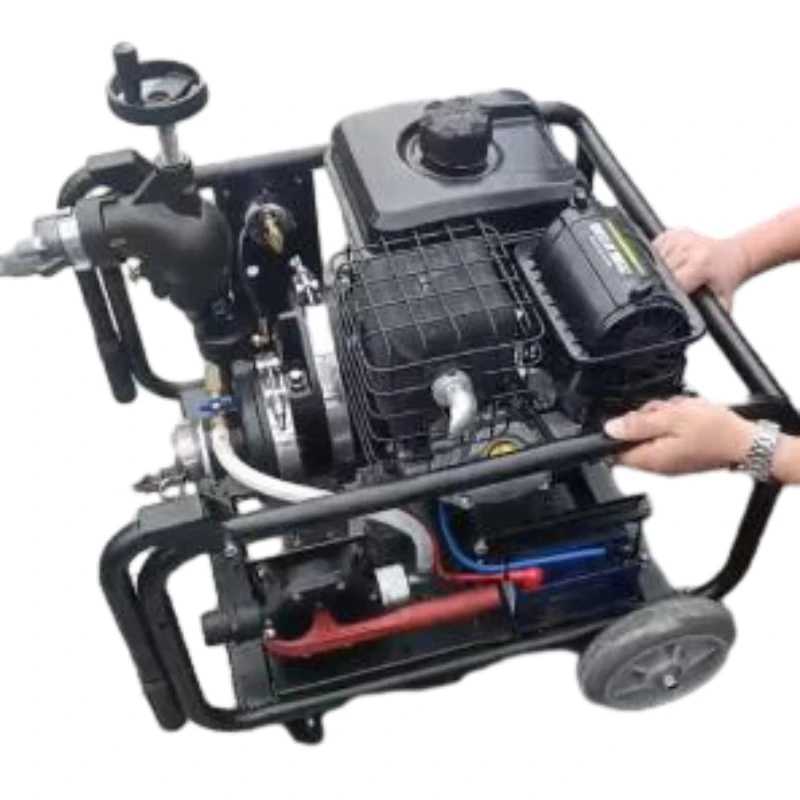
Simply put, a sea water fire pump is a specialized pump designed to draw seawater and deliver it at high pressure to firefighting systems on ships, coastal plants, or offshore rigs. Unlike standard pumps, these are built with corrosion-resistant materials and mechanical seals to endure saltwater’s abrasive nature.
Their role extends beyond maritime vessels. Coastal power stations, desalination plants, and petrochemical hubs rely on these pumps for rapid fire suppression. Without them, firefighting teams might be left relying on freshwater sources, often scarce or impractical at sea or saltwater-dominated sites.
Core Components and Key Features of Sea Water Fire Pumps
1. Durability & Corrosion Resistance
Saltwater is notorious for accelerating rust and wear. Thus, these pumps often feature components made from duplex stainless steel, bronze alloys, or specialized coatings. Many engineers swear by duplex steel’s unmatched strength and longevity in seawater environments.
2. High Pressure & Flow Performance
Firefighting demands strong, consistent water pressure. Sea water fire pumps can deliver flows measuring anywhere from 100 to 3,000 gallons per minute (GPM) or more, depending on the need. Impeller designs and motor power specs are carefully chosen to maximize effectiveness.
3. Power Supply & Redundancy
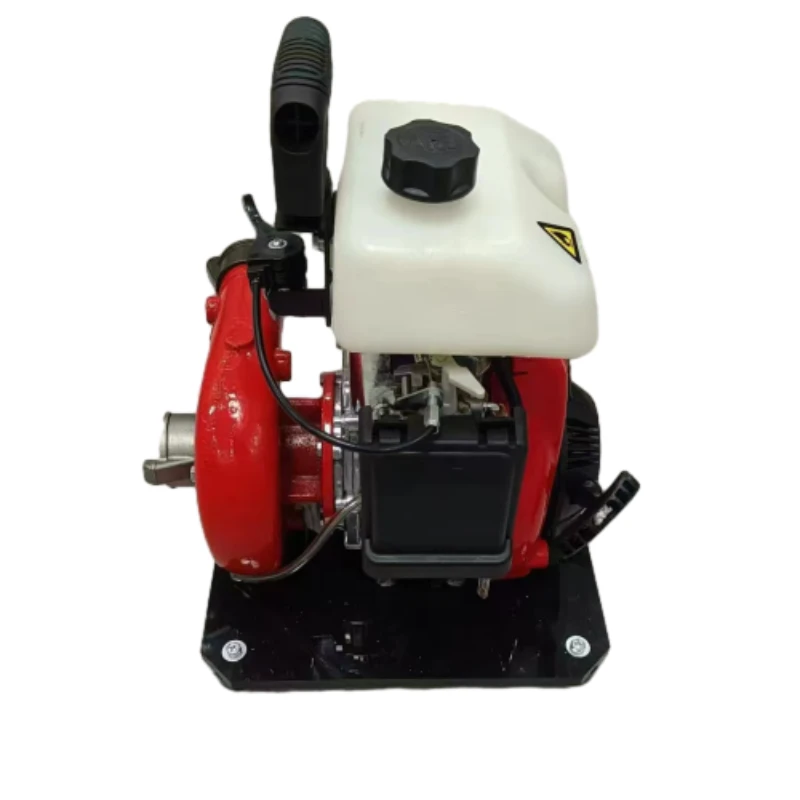
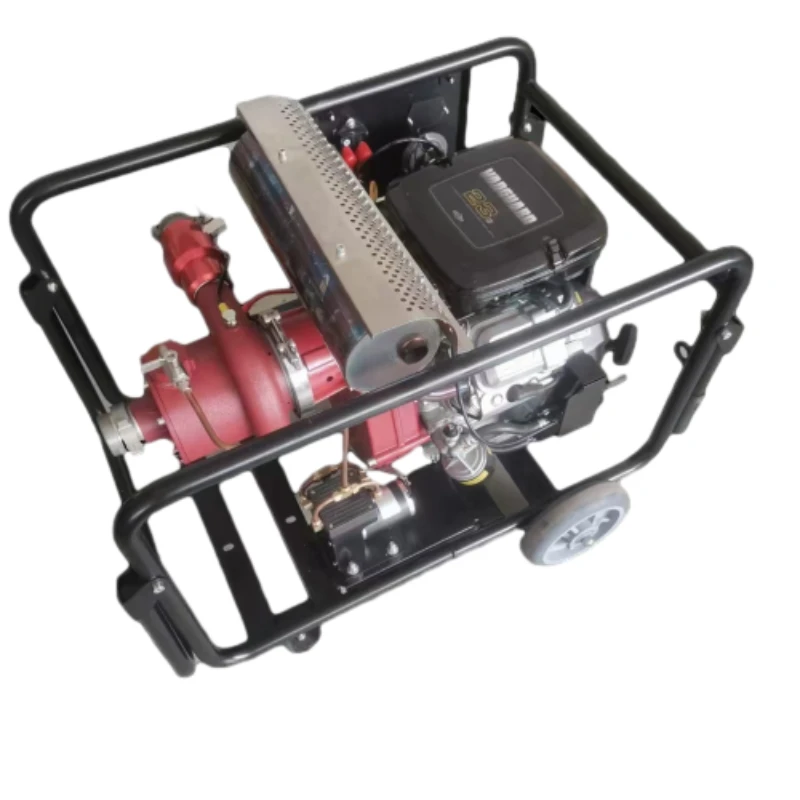
Sustainability during an emergency means reliable power. Pumps are typically driven by electric motors or diesel engines, with some setups integrating backup power to ensure zero downtime. Critical for offshore rigs where power fluctuations are common.
4. Ease of Maintenance & Monitoring
Regular inspection and quick servicing save lives. Features like accessible seal chambers, sensor integration for vibration, temperature, or pressure monitoring help maintenance teams predict failures before they become dangerous.
5. Compliance with International Standards
Many sea water fire pump models comply with ISO 14520 or the NFPA regulations, ensuring they meet stringent fire safety requirements globally — a must for credible suppliers.
| Specification | Details |
|---|---|
| Flow Rate | 1500 GPM (gallons per minute) |
| Operating Pressure | 10 bar (145 psi) |
| Material | Duplex Stainless Steel / Bronze components |
| Power Source | Electric motor, 50 kW, 400V/3-phase |
| Weight | 450 kg |
| Compliance | ISO 14520, NFPA 20 |
Global Applications and Use Cases for Sea Water Fire Pumps
Most folks think of these pumps just on ships. But that’s only scratching the surface.
- Maritime Shipping & Cruise Liners: Onboard fire suppression systems depend heavily on reliable sea water fire pumps. From cargo holds to engine rooms, safety requires instant water delivery.
- Offshore Oil & Gas Platforms: Remote platforms in the North Sea or Gulf of Mexico face serious fire risks. Sea water fire pumps protect personnel and infrastructure against these hazards.
- Coastal Power Plants: Many power-generating stations built near coastlines use seawater pumps within their fire protection systems — an economical use of readily available water.
- Port Facilities & Shipyards: These areas rely on sea water fire pumps to contain accidental fires, often involving flammable substances.
For example, in post-disaster relief operations after coastal storms, temporary firefighting setups sometimes incorporate sea water fire pumps due to lack of freshwater availability. In these scenarios, speed and adaptability are paramount.
The Advantages and Long-Term Value of Sea Water Fire Pumps
What makes these pumps highly valued? For one, they leverage abundant seawater—cutting costs linked to freshwater sourcing. The corrosion-resistant build extends service life, reducing maintenance disruptions.
Reliability means fewer false alarms and safer environments for crew. Emotionally, it’s comforting to know these pumps stand guard incessantly, often running silently until needed—which is oddly reassuring.
Plus, manufacturers increasingly incorporate smart sensors, enabling predictive maintenance. This digital edge not only minimizes downtime but supports sustainability goals by preventing wastage and inefficiency.
Innovations Shaping the Future of Sea Water Fire Pump Technology
Fast-forward a few years, and automation is the name of the game. We’re already seeing IoT-enabled pumps that communicate status in real time, feeding into broader facility management systems.
On the materials front, research into advanced composites and ceramic coatings promises even better salt resistance without adding bulk or cost. Energy efficiency is another focus, with hybrid power options leveraging renewables in remote zones.
Policies are also tightening; the IMO and ISO committees are pushing standards that demand higher energy and environmental efficiencies alongside performance—good news for operators and planet alike.
Challenges and How the Industry is Tackling Them
Salt-induced abrasion remains a persistent hurdle, leading to premature seal and impeller wear in some models. However, ongoing R&D is closing this gap fast. Some vendors now integrate modular parts designed for swift onsite swapping, cutting downtime drastically.
Power reliability offshore is still tricky, but smart backup generators and capacitors provide buffer zones. The bigger issue? Training operators to handle increasingly complex integrated systems—because the best pump can’t help if folks don’t know how to maintain it.
| Feature | Vendor A | Vendor B | Vendor C |
|---|---|---|---|
| Material Quality | Duplex Stainless Steel | Bronze Alloy with Coatings | Composite Materials |
| Flow Rate (GPM) | 1500 | 1200 | 1800 |
| Power Options | Electric/Diesel | Electric Only | Hybrid (Electric + Solar) |
| Monitoring Features | Smart IoT-enabled | Basic Sensors | Advanced Predictive Analytics |
| Global Certifications | ISO 14520, NFPA 20 | NFPA 20 | ISO 14520 |
FAQ: Frequently Asked Questions About Sea Water Fire Pumps
Q1: How does a sea water fire pump differ from a regular fire pump?
A sea water fire pump is specifically designed to handle corrosive saltwater, featuring materials and seals that resist rust and abrasion. Regular fire pumps often use freshwater and may not withstand long-term exposure to seawater.
Q2: What maintenance is required to keep a sea water fire pump operational?
Routine inspections of seals, impellers, and lubricants are critical. Sensors can help monitor wear and alert technicians early. Cleaning for salt buildup is recommended after prolonged use in marine environments.
Q3: Can these pumps operate during power outages?
Yes, many sea water fire pumps have diesel engine drives or battery backup systems to ensure operation during electricity failures, which is vital in emergencies.
Q4: Are sea water fire pumps environmentally friendly?
Modern pumps incorporate energy-efficient motors and are built for longevity, reducing waste. Additionally, using abundant seawater lessens dependence on freshwater resources, supporting environmental sustainability.
Q5: Where can I source high-quality sea water fire pumps?
Trusted suppliers specialize in marine-grade equipment; you can explore options through sea water fire pump providers who offer comprehensive specs and certifications.
Conclusion
In the end, sea water fire pumps aren’t just technical gadgets; they are guardians of safety in marine and coastal settings. Their robust design, adaptive technologies, and ever-evolving materials ensure that fire emergencies can be met with force and reliability. Investing in quality pumps means investing in lives saved and assets protected.
Thinking about upgrading your facility’s firefighting setup? It’s worth exploring the latest in sea water fire pump technology.
Thanks for sticking with me through what feels like a deep dive but is really one of the most practical and crucial tech stories of today’s industrial safety world.





 English
  Arabic
  Bengali
  China
China  French
  German
  Hausa
Hausa  Indonesian
  Italian
  Japanese
  Javanese
  Malay
Malay  Persian
  Portuguese
  Punjabi
  Russian
  Spanish
  Swahili
  Telugu
  Vietnamese