








Choosing the Right Firefighter Tool Belt: A Comprehensive Guide
A firefighter’s tool belt is more than just a carrier; it’s a critical component of their life-saving equipment. Selecting the right firefighter tool belt ensures quick access to essential tools when every second counts. This guide will explore the key features, materials, and considerations when choosing a belt, helping you make an informed decision for optimal safety and performance. We'll delve into how a well-chosen belt contributes to efficiency and safety on the fireground.
Key Features of a High-Quality Firefighter Tool Belt
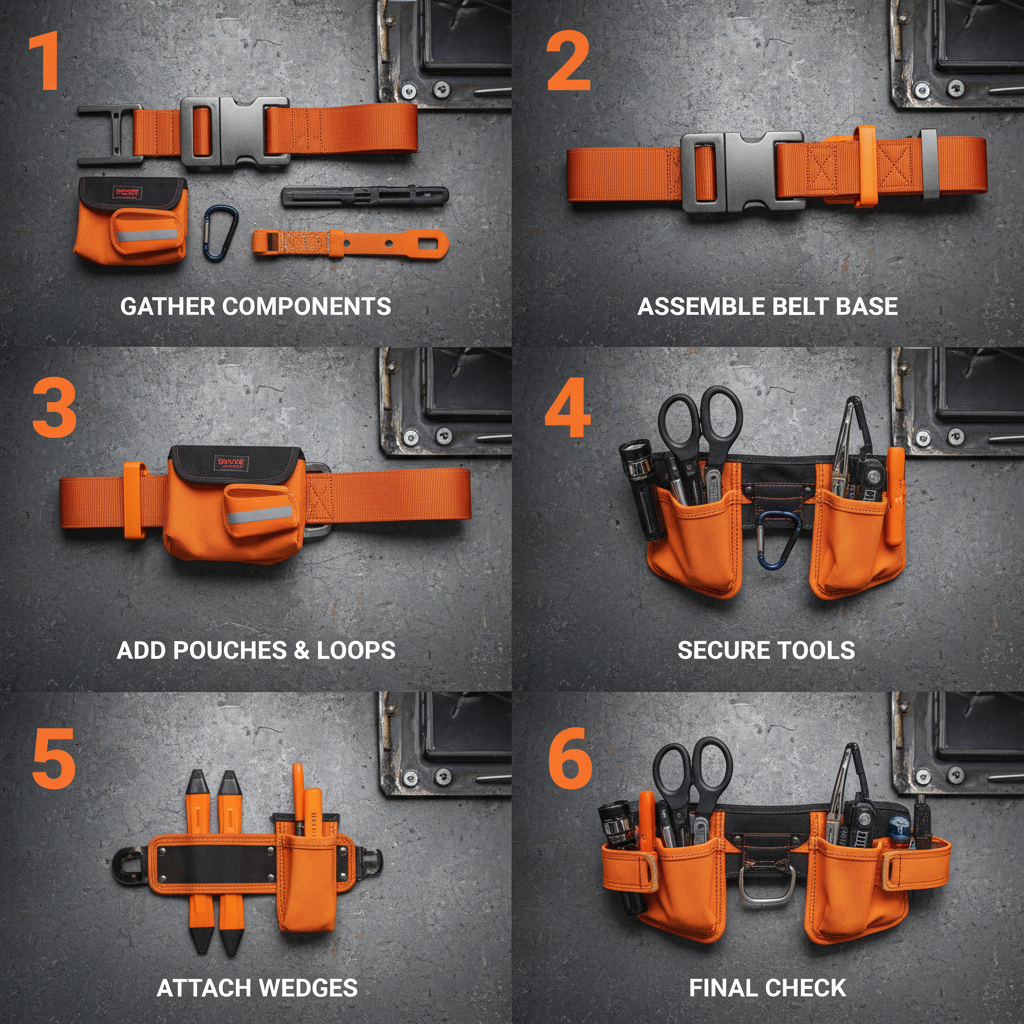
The best firefighter tool belts are built with durability and functionality in mind. Look for belts constructed from heavy-duty nylon or reinforced leather, offering robust support even when fully loaded. Important features include adjustable sizing to accommodate different body types and gear configurations, reinforced stitching for longevity, and strategically placed loops and pockets for easy tool access. Consider the type of buckle – quick-release buckles offer a significant advantage in emergency situations. A comfortable, padded design is also essential for extended wear during long shifts. At FFW Fire Safety, we prioritize quality and reliability in all our gear.
Key Highlights: Heavy-duty construction, adjustable sizing, reinforced stitching, quick-release buckles, padded for comfort.
Understanding Tool Belt Materials: Nylon vs. Leather
The material of a firefighter tool belt significantly impacts its durability, weight, and maintenance requirements. Nylon belts are typically lighter weight, more water-resistant, and require less maintenance than leather. However, high-quality leather belts offer superior durability and a classic, professional appearance. Leather can conform to the wearer’s body over time, providing a more customized fit. Ultimately, the best material depends on individual preferences and the specific demands of the job. Many modern belts utilize a combination of nylon and leather for a balance of benefits. The firefighter tool belts available at FFW Fire Safety cater to both preferences.
Material Comparison:
• Nylon: Lightweight, water-resistant, low maintenance.
• Leather: Durable, conforms to body, professional appearance.
• Hybrid: Combines benefits of both materials.
Firefighter Tool Belt Configurations and Tool Placement
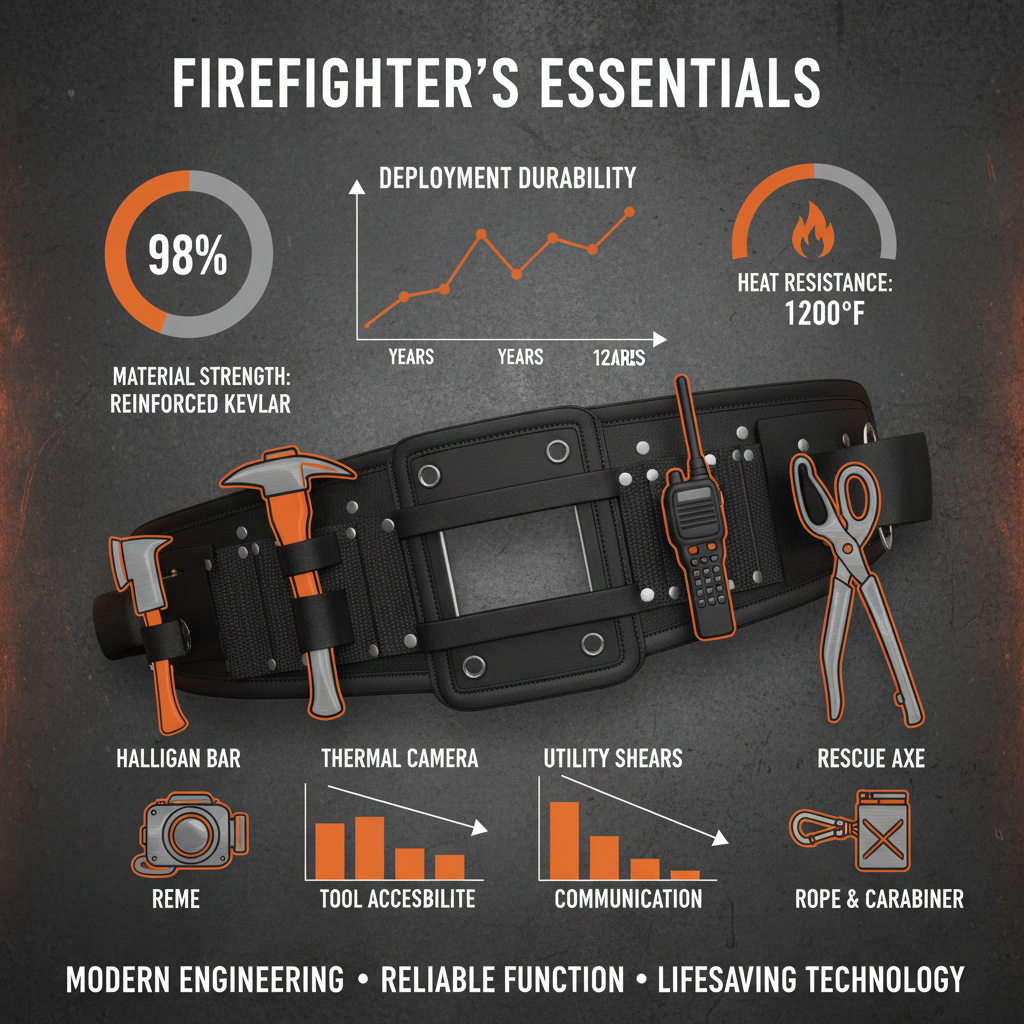
Effective tool belt configuration is crucial for rapid response. Consider the tools you use most frequently and position them for easy access. Common tools include a spanner wrench, pike pole loop, forcible entry tools, and a radio pouch. Belts with modular designs allow you to customize the layout to your specific needs. Ensure tools are securely fastened to prevent loss during movement. Proper weight distribution is also important – avoid overloading one side of the belt to maintain balance and prevent strain. At FFW Fire Safety, we offer belts with customizable configurations to optimize your setup.
Essential Considerations When Choosing a Firefighter Tool Belt
Before making a purchase, consider the types of fires you typically respond to. Urban firefighting often requires different tools and configurations compared to wildland firefighting. Ensure the belt is compatible with your existing tools and personal protective equipment (PPE). Check for adjustable features to ensure a comfortable and secure fit. Finally, prioritize quality and durability – a well-made belt will withstand the rigors of the job and provide years of reliable service. FFW Fire Safety offers a wide selection of belts designed to meet the diverse needs of firefighters.
Maintaining Your Firefighter Tool Belt for Longevity
Regular maintenance is key to extending the lifespan of your firefighter tool belt. After each use, inspect the belt for signs of wear and tear, such as cracks, frayed stitching, or loose buckles. Clean the belt with mild soap and water to remove dirt and debris. For leather belts, apply a leather conditioner periodically to prevent drying and cracking. Store the belt in a cool, dry place away from direct sunlight. Proper maintenance ensures your belt remains in optimal condition, ready for the next call. At FFW Fire Safety, we also offer cleaning and maintenance products specifically designed for firefighter gear.
Conclusion: Investing in the Right Firefighter Tool Belt
Choosing the right firefighter tool belt is a vital investment in your safety and efficiency. By considering the features, materials, and maintenance requirements outlined in this guide, you can select a belt that meets your specific needs and provides years of reliable service. Don't compromise on quality – your life may depend on it.
Frequently Asked Questions (FAQs)
How often should I replace my firefighter tool belt?
The frequency of replacement depends on usage and wear. Generally, a tool belt should be replaced every 3-5 years, or sooner if it shows significant signs of damage like cracking, fraying, or weakened buckles. Regular inspection is crucial. Factors like exposure to harsh chemicals, UV radiation, and frequency of use will affect its lifespan. It’s always best to err on the side of caution and replace a worn belt to ensure optimal safety.
What size firefighter tool belt do I need?
Proper sizing is essential for comfort and safety. Measure your waist circumference over your turnout gear to ensure an accurate fit. Most belts are adjustable within a certain range. Consider how much gear you typically carry. If you carry a lot of equipment, you may need a larger belt with more support. It’s best to try on different sizes to find the most comfortable and secure fit. We offer sizing guides and assistance at FFW Fire Safety.
Are there specific standards for firefighter tool belts?
While there isn't a single universal standard, many firefighter tool belts are designed to meet relevant safety requirements. Look for belts that are durable, resistant to tearing and abrasion, and capable of securely holding essential tools. Ensure the belt’s buckle is robust and easy to operate, even with gloved hands. FFW Fire Safety provides belts that meet rigorous quality standards.
How do I clean and maintain a leather firefighter tool belt?
Leather belts require regular cleaning and conditioning to prevent drying and cracking. Wipe down the belt with a damp cloth after each use to remove dirt and debris. Periodically apply a leather conditioner to keep the leather supple and prevent it from becoming brittle. Avoid exposing the belt to harsh chemicals or excessive heat. Store the belt in a cool, dry place. Proper maintenance will significantly extend the lifespan of your leather tool belt.




 English
  Arabic
  Bengali
  China
China  French
  German
  Hausa
Hausa  Indonesian
  Italian
  Japanese
  Javanese
  Malay
Malay  Persian
  Portuguese
  Punjabi
  Russian
  Spanish
  Swahili
  Telugu
  Vietnamese