








Firefighter Tools and Equipment PowerPoint: A Comprehensive Overview
Creating an effective training program for firefighters requires engaging and informative materials. A well-designed PowerPoint presentation on firefighter tools and equipment is essential for ensuring safety and preparedness. This article will explore the key elements of such a presentation, offering insights into content, design, and best practices. Properly illustrating and explaining the function and maintenance of critical tools is vital for effective firefighting. We'll cover everything from basic hand tools to advanced rescue equipment, ensuring a thorough understanding for all trainees.
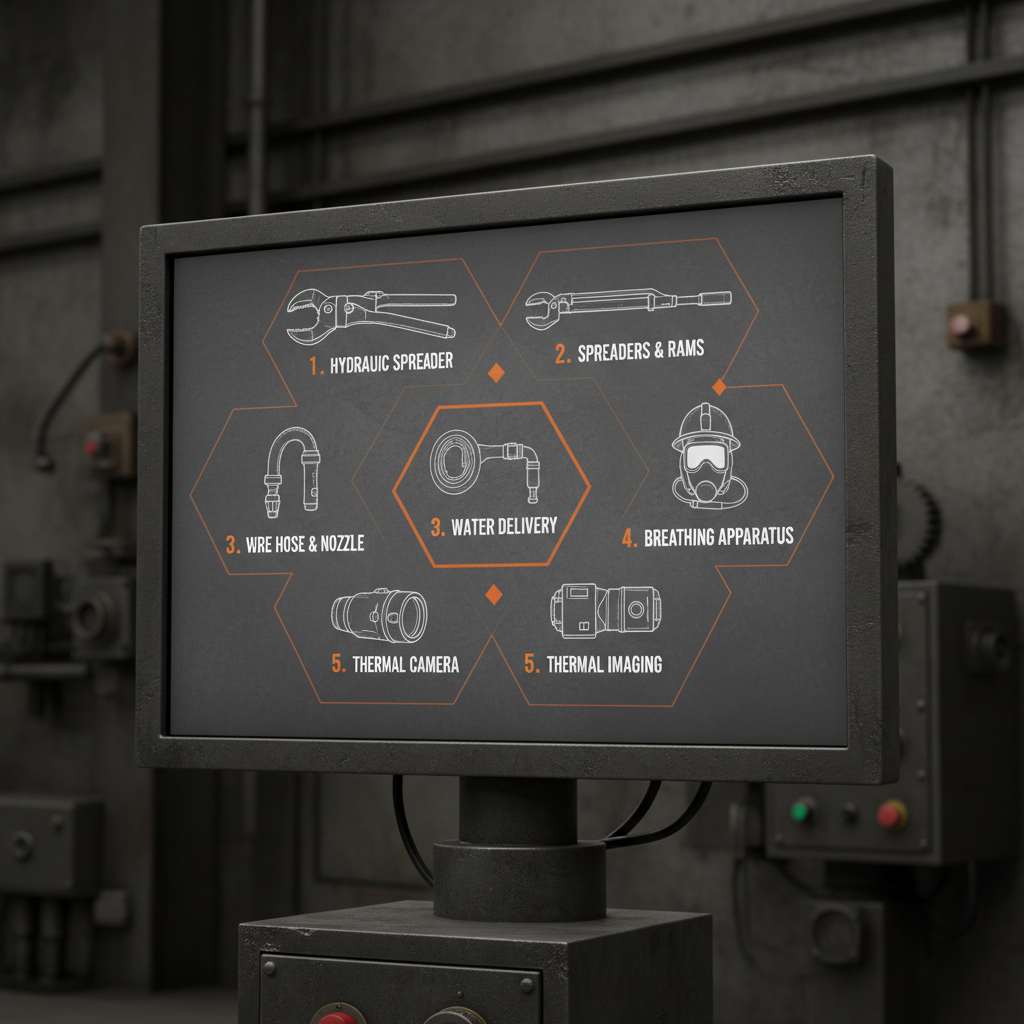
Essential Content for a Firefighter Tools and Equipment PowerPoint
The core of your presentation should focus on the tools firefighters use daily and those deployed in specialized situations. Categorize equipment logically – for example, hand tools, forcible entry tools, ventilation equipment, rescue tools, and personal protective equipment (PPE). Each slide should clearly identify the tool, its primary function, proper usage techniques, safety precautions, and maintenance requirements. Illustrate each tool with high-quality images or diagrams. Don’t forget to include information on inspection procedures to ensure tools are always in optimal working condition. A good presentation will also cover the limitations of each tool, preventing misuse and potential accidents.
Key Takeaway: Focus on practical application and safety. Every tool listed needs a clear description of how it’s used correctly and what hazards are involved.
Hand Tools and Forcible Entry Equipment: A Detailed Look
Hand tools, like axes, halligans, and pry bars, are fundamental to firefighting. Your PowerPoint should demonstrate proper techniques for using these tools for forcible entry, ventilation, and overhaul operations. Explain the different types of axes (e.g., flat-head, pick-head) and their specific applications. Forcible entry tools need a section covering door types, lock mechanisms, and appropriate methods for gaining access. Include sections on tool maintenance, such as sharpening axes and inspecting pry bars for cracks. Stress the importance of teamwork and communication during forcible entry operations.
Hand Tool Safety Tips:
• Always wear appropriate PPE when using hand tools.
• Maintain a firm grip and use proper body mechanics.
• Be aware of your surroundings and potential hazards.
• Regularly inspect tools for damage and report any defects.
Ventilation Equipment and Rescue Tools: Understanding Their Roles
Ventilation is crucial for removing smoke and heat, improving visibility, and creating a safer environment for firefighters and occupants. Your presentation should cover different ventilation techniques (e.g., positive pressure ventilation, negative pressure ventilation) and the equipment used, such as ventilation fans and saws. Rescue tools, including hydraulic rescue tools ("Jaws of Life") and rope rescue equipment, require detailed explanations of operation and safety procedures. Emphasize the importance of proper training and certification before using these specialized tools. Illustrate scenarios where each tool is most effective.
Personal Protective Equipment (PPE): Your First Line of Defense
A dedicated section on PPE is paramount. Detail each component of the firefighter's ensemble – helmet, coat, pants, boots, gloves, and self-contained breathing apparatus (SCBA). Explain the purpose of each item and the standards to which it conforms (e.g., NFPA standards). Emphasize the importance of proper fit, inspection, and maintenance of PPE. Include information on donning and doffing procedures to minimize contamination. Regular training and refresher courses on PPE are essential.
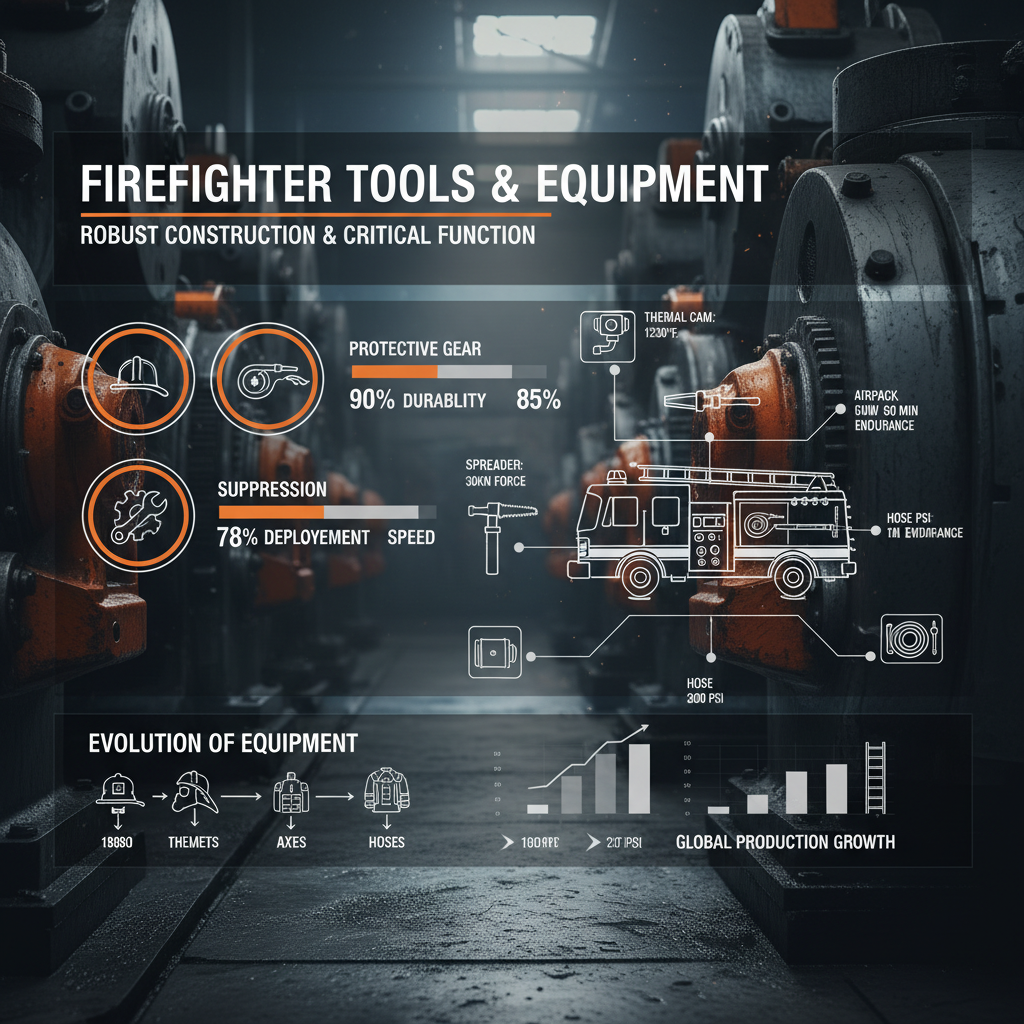
Designing an Engaging and Effective PowerPoint
Beyond the content, presentation matters. Use a consistent theme and color scheme. Minimize text on each slide – focus on key points and use visuals to convey information. Incorporate high-quality images and diagrams. Use animations and transitions sparingly to avoid distraction. Encourage interaction by including questions and activities throughout the presentation. A well-structured and visually appealing PowerPoint will significantly enhance learning and retention. Consider using videos demonstrating the proper use of equipment. You can find valuable resources on FFW Fire Safety's website for further information and training materials.
Conclusion: Empowering Firefighters Through Knowledge
A comprehensive PowerPoint presentation on firefighter tools and equipment is a vital component of any effective training program. By focusing on clear content, engaging visuals, and a strong emphasis on safety, you can empower firefighters with the knowledge and skills they need to perform their duties safely and effectively. Remember to regularly update the presentation to reflect changes in equipment and best practices.
Frequently Asked Questions (FAQs)
What are the key NFPA standards relevant to firefighter tools and equipment?
Several NFPA standards govern firefighter tools and equipment. NFPA 1977 covers the maintenance, testing, and care of fire department protective garments. NFPA 1981 specifies requirements for structural fire fighting protective suits and ensembles. NFPA 1979 outlines standards for helmets. NFPA 1901 deals with automotive fire apparatus. NFPA 1500 is the Standard on Fire Department Occupational Safety and Health Program. Understanding these standards is crucial for ensuring that equipment meets minimum safety requirements and is properly maintained. Regular review of the latest editions of these standards is essential.
How often should firefighter tools be inspected?
Firefighter tools should be inspected before and after each use, as well as regularly on a scheduled basis (e.g., weekly, monthly). Inspections should include checking for damage, wear, and proper functionality. Any damaged or malfunctioning tools should be removed from service immediately and repaired or replaced. A detailed inspection log should be maintained to track the condition of each tool and ensure timely maintenance.
What role does training play in the effective use of firefighter tools?
Training is paramount. Firefighters must receive comprehensive training on the proper use, maintenance, and limitations of each tool. This training should include hands-on practice in realistic scenarios. Regular refresher courses are essential to reinforce skills and keep firefighters up-to-date on best practices. Proper training not only ensures the effective use of tools but also minimizes the risk of accidents and injuries.





 English
  Arabic
  Bengali
  China
China  French
  German
  Hausa
Hausa  Indonesian
  Italian
  Japanese
  Javanese
  Malay
Malay  Persian
  Portuguese
  Punjabi
  Russian
  Spanish
  Swahili
  Telugu
  Vietnamese