








Understanding Firefighter Spreaders: A Comprehensive Guide
When responding to wildfires or structural fires, efficient water application is crucial. Firefighter spreaders are specialized nozzles designed to disperse water effectively, maximizing coverage and minimizing runoff. This article delves into the types of firefighter spreaders, their applications, key features, and how to choose the right spreader for specific firefighting needs. Understanding these tools is vital for effective fire suppression and firefighter safety.
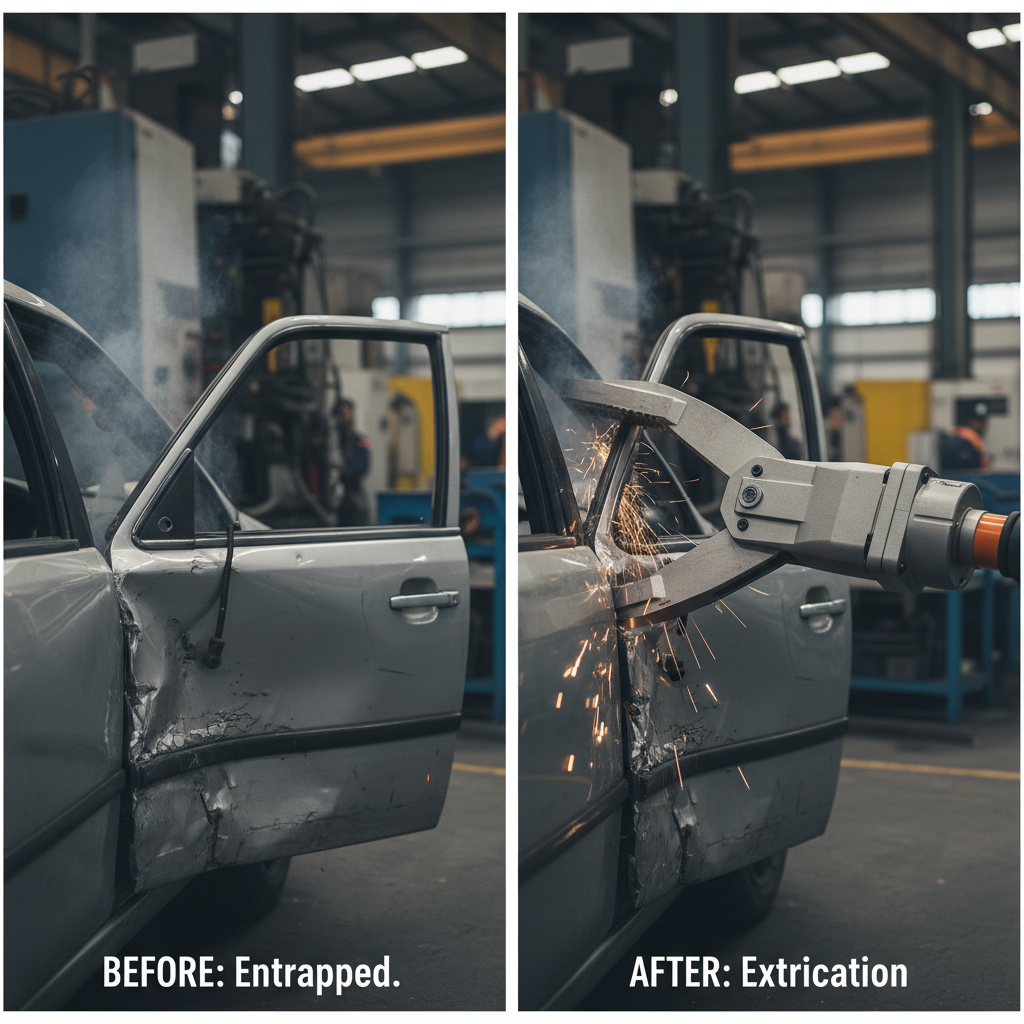
Types of Firefighter Spreaders
Firefighter spreaders come in a variety of designs, each suited for different situations. Common types include adjustable orifice spreaders, which allow firefighters to control the water flow and pattern, and fixed orifice spreaders, which offer a consistent spray. There are also fog nozzles, which create a fine mist for efficient cooling and improved visibility, and cellar nozzles, designed for navigating confined spaces. The choice of spreader depends on the fire's characteristics, the environment, and the tactics being employed. FFW Fire Safety offers a comprehensive range to meet diverse operational requirements.
Key Considerations: Selecting the right spreader requires understanding the fire type, terrain, and desired water application strategy.
Choosing the Right Firefighter Spreader: Key Features
When selecting a firefighter spreader, several features are paramount. Adjustability is crucial, allowing for varying water flow rates and spray patterns. Durability is also essential, as spreaders are exposed to harsh conditions. Look for spreaders constructed from high-quality materials like aluminum or reinforced polymers. Ergonomic design enhances firefighter comfort and control, while a smooth operating mechanism ensures reliable performance under pressure.
Essential Features:
• Adjustable flow rates and spray patterns
• Durable construction materials
• Ergonomic design for comfortable handling
• Smooth and reliable operating mechanism
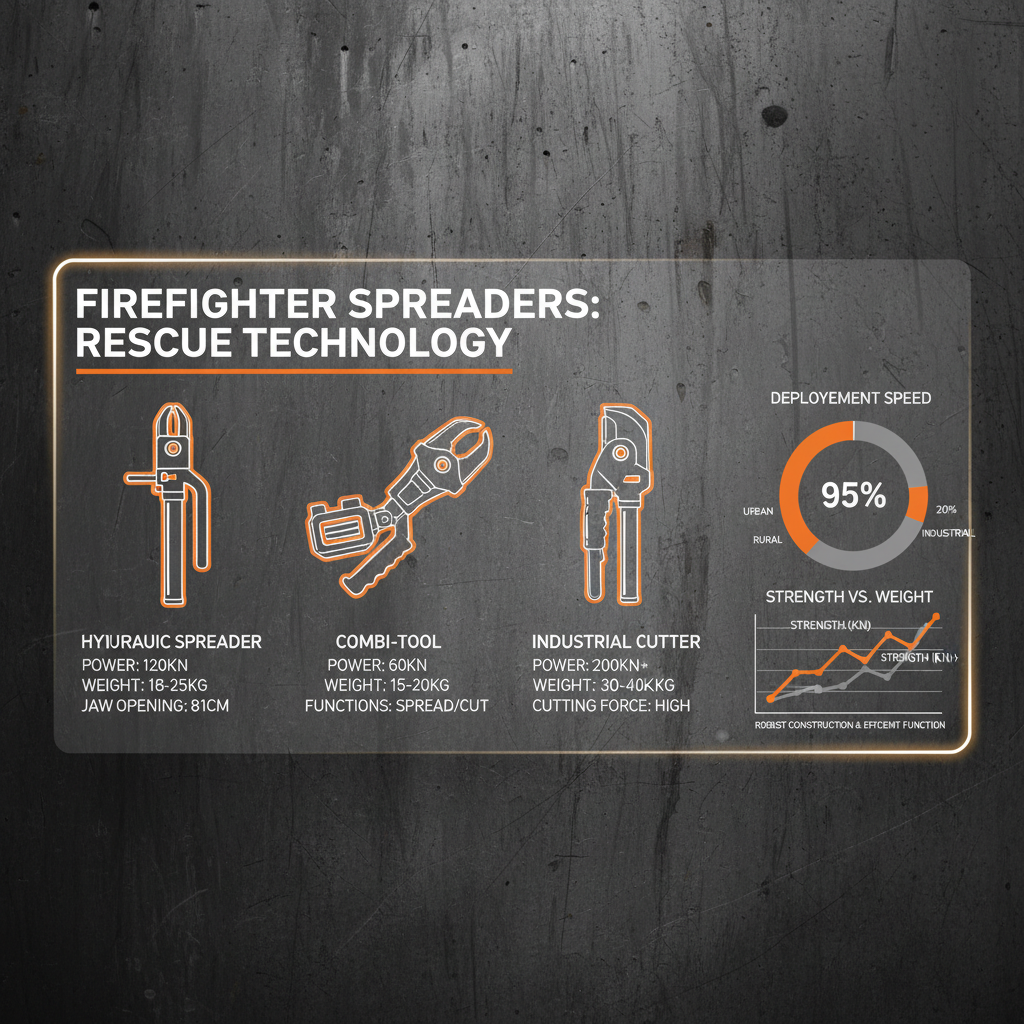
Firefighter Spreader Comparison
Understanding the differences between various types of firefighter spreaders is crucial for making informed decisions. Here's a comparative overview of some common options:
Applications in Wildland and Structural Firefighting
Firefighter spreaders are indispensable tools in both wildland and structural firefighting scenarios. In wildland settings, they are used to create firebreaks and suppress brush fires. In structural fires, they are employed for cooling hot gases, protecting exposures, and extinguishing flames. The choice of spreader depends on the specific fire environment and the desired outcome. Proper training and understanding of the spreader's capabilities are crucial for effective use.
Maintaining Your Firefighter Spreader
Regular maintenance is vital to ensure the reliable operation of your firefighter spreader. After each use, clean the spreader thoroughly to remove debris and contaminants. Inspect the nozzle for damage or wear, and replace any worn parts promptly. Lubricate moving parts as needed, and store the spreader in a clean, dry environment. Proper maintenance extends the life of the spreader and ensures it’s ready for action when needed. FFW Fire Safety provides maintenance kits and resources to help you keep your equipment in top condition.
Conclusion: Empowering Firefighters with Reliable Equipment
Investing in high-quality firefighter spreaders is essential for ensuring firefighter safety and effectiveness. By understanding the different types, features, and maintenance requirements, you can select the right tools for your needs and keep them in optimal condition. At FFW Fire Safety, we are committed to providing firefighters with the equipment they need to protect lives and property.
Frequently Asked Questions (FAQs)
What is the difference between a fog nozzle and a straight-stream nozzle?
A fog nozzle creates a wide, dispersed spray pattern, providing excellent cooling and improved visibility. This is ideal for suppressing fires by reducing heat and creating a protective barrier. A straight-stream nozzle delivers a concentrated jet of water, offering maximum reach and penetration. It's best suited for directly attacking the base of the fire or reaching distant targets. The choice between the two depends on the fire's characteristics and the firefighter's tactical objectives.
How often should firefighter spreaders be inspected?
Firefighter spreaders should be inspected before and after each use. This includes checking for any physical damage, obstructions, or malfunctions. Regular inspections can identify potential problems before they become serious, ensuring the spreader operates reliably when needed. A more thorough inspection should be conducted annually, including testing the flow rate and spray pattern.
What materials are firefighter spreaders typically made from?
Firefighter spreaders are commonly constructed from durable materials like aluminum, brass, or reinforced polymers. Aluminum is lightweight and corrosion-resistant, making it a popular choice. Brass is known for its strength and resistance to wear. Reinforced polymers offer a balance of durability and affordability. The material selection depends on the spreader's intended use and the environmental conditions it will be exposed to.
Can firefighter spreaders be used with different types of water sources?
Yes, firefighter spreaders can generally be used with various water sources, including hydrants, tankers, and portable pumps. However, it's important to ensure the water source provides adequate pressure and flow to operate the spreader effectively. Some spreaders may have specific pressure requirements, so it’s essential to check the manufacturer’s specifications.




 English
  Arabic
  Bengali
  China
China  French
  German
  Hausa
Hausa  Indonesian
  Italian
  Japanese
  Javanese
  Malay
Malay  Persian
  Portuguese
  Punjabi
  Russian
  Spanish
  Swahili
  Telugu
  Vietnamese