








Choosing the Right Firefighter Sledge Hammer: A Comprehensive Guide
When responding to emergencies, firefighters rely on specialized tools to overcome obstacles and ensure successful rescues. A firefighter sledge hammer is one such critical tool, providing the necessary force for breaching walls, doors, and other barriers. Selecting the appropriate sledge hammer is crucial for effectiveness and safety. This article will explore the key considerations when choosing a firefighter sledge hammer, its applications, and the importance of quality and maintenance. Visit FFW Fire Safety to explore our range of firefighting equipment.
Understanding the Purpose of a Firefighter Sledge Hammer
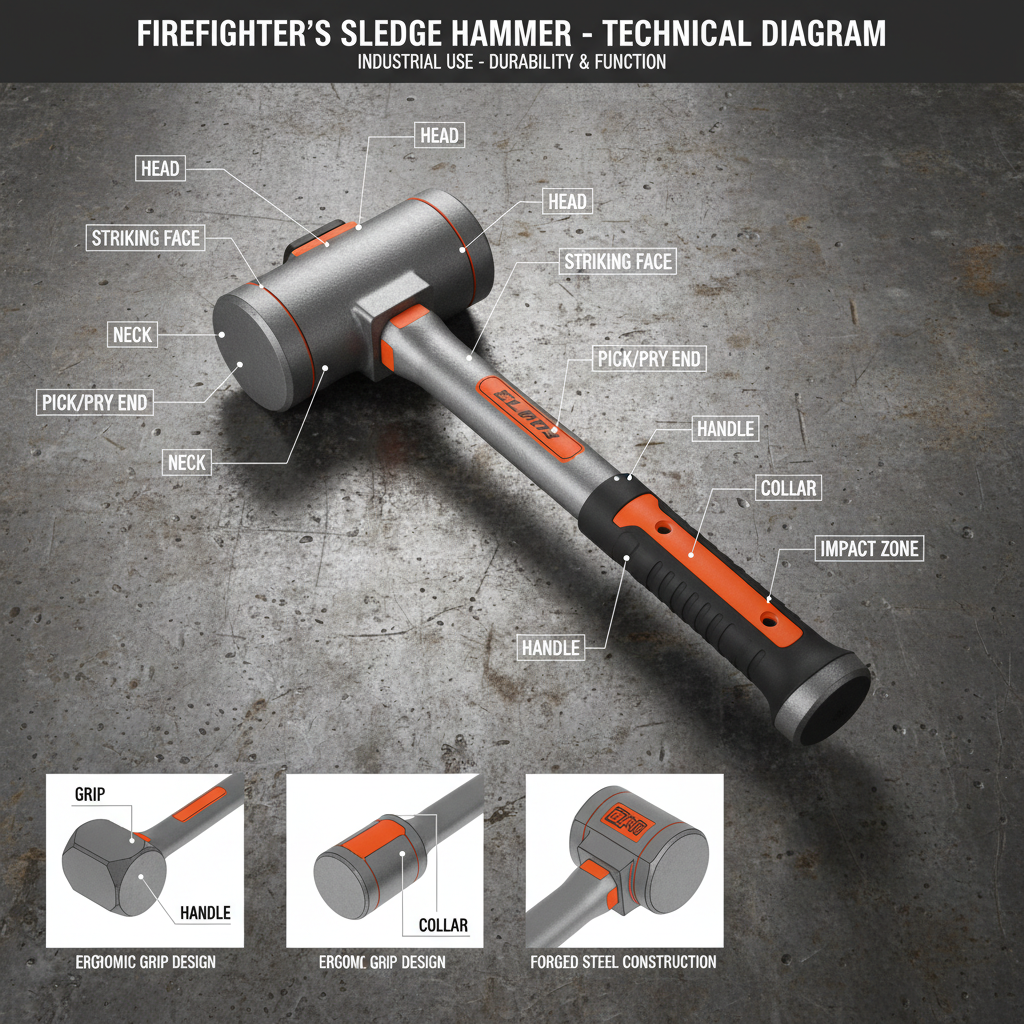
A firefighter sledge hammer isn't simply a heavy hammer; it's a specialized breaching tool. Its primary function is to deliver a concentrated impact force to overcome obstacles encountered during rescue operations. This can include breaking down doors, creating access points through walls, and dismantling debris. Unlike a standard sledge hammer, a firefighter’s version is typically designed with features enhancing its usability in hazardous environments, such as a fiberglass or wood handle for electrical insulation and a balanced weight distribution for controlled swings. Choosing the right sledge hammer directly impacts a firefighter's ability to quickly and safely access those in need.
Key Benefit: Rapid access to victims during emergency situations. A well-chosen sledge hammer minimizes time spent breaching obstacles, potentially saving lives.
Key Features to Look for in a Firefighter Sledge Hammer
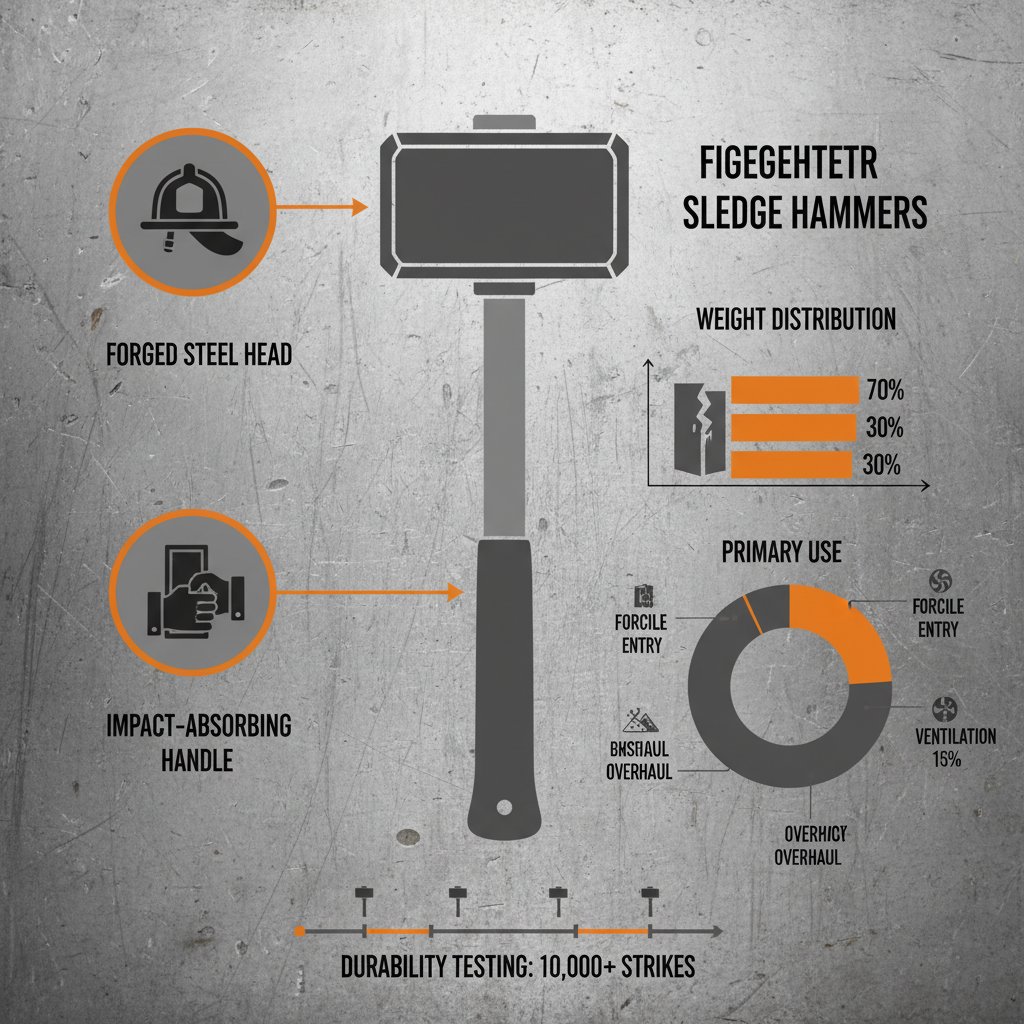
Several features differentiate a quality firefighter sledge hammer from a standard one. The head material is paramount. Forged steel is the most common and durable option, offering high impact resistance. Handle material is also critical – fiberglass and wood are preferred for their non-conductivity, reducing the risk of electrical shock. A properly balanced sledge hammer, with weight distributed effectively along the handle, minimizes fatigue during prolonged use. Consider features like a shock-absorbing grip and a secure head connection to ensure both safety and efficiency. Explore the options available at FFW Fire Safety.
Essential Features:
• Forged Steel Head
• Fiberglass or Wood Handle
• Balanced Weight Distribution
• Shock-Absorbing Grip
Firefighter Sledge Hammer Weight and Handle Length: Finding the Optimal Balance
The weight and handle length of a firefighter sledge hammer are crucial factors influencing its usability and effectiveness. Generally, weights range from 8 to 12 pounds. Heavier hammers deliver more force but require more strength and can lead to faster fatigue. Handle lengths typically fall between 30 and 36 inches. Longer handles provide greater leverage but can be more difficult to maneuver in confined spaces. The ideal combination depends on the firefighter's physical strength, the types of breaching tasks typically encountered, and the operational environment.
Proper Maintenance and Safety Procedures
Regular maintenance is vital to ensure the longevity and reliability of a firefighter sledge hammer. After each use, inspect the head for cracks or chips and the handle for any signs of damage. Clean the hammer thoroughly to remove debris and corrosion. Store the hammer in a dry environment to prevent rust. Always wear appropriate personal protective equipment (PPE), including gloves and eye protection, when using a sledge hammer. Proper swing technique is also crucial to avoid injury. Training programs and regular drills can reinforce safe operating procedures. Don't compromise on quality – investing in a durable, well-maintained sledge hammer can significantly enhance firefighter safety and operational effectiveness. FFW Fire Safety offers comprehensive safety training resources.
Choosing the Right Supplier for Firefighter Sledge Hammers
Selecting a reputable supplier is just as important as choosing the right hammer. Look for suppliers who specialize in firefighting equipment and understand the specific needs of emergency responders. Ensure the supplier offers high-quality products that meet relevant safety standards. Consider factors such as product availability, pricing, and customer support. A reliable supplier should provide accurate product information and be able to answer your questions effectively. FFW Fire Safety is a trusted partner for fire departments and emergency services, providing a wide range of high-quality firefighting equipment and expert support.
Conclusion: Equipping Firefighters for Success
A well-chosen and properly maintained firefighter sledge hammer is an essential tool for rapid and safe access during emergency situations. By understanding the key features, weight considerations, and safety procedures, fire departments can ensure their personnel are equipped with the best possible tools for the job. FFW Fire Safety is committed to providing firefighters with the highest quality equipment and support to help them protect lives and property.
Frequently Asked Questions (FAQs)
What materials are firefighter sledge hammer handles typically made of?
Firefighter sledge hammer handles are commonly made from fiberglass or wood. Fiberglass offers excellent strength, durability, and electrical insulation, making it a popular choice for safety. Wood handles are also used and provide a good balance of strength and shock absorption, but they lack the electrical insulation properties of fiberglass. Both materials should be regularly inspected for cracks or damage to ensure safe operation. Choosing the right handle material depends on the specific operational environment and potential electrical hazards.
How often should a firefighter sledge hammer be inspected?
A firefighter sledge hammer should be inspected before and after each use, as well as during routine maintenance checks. Inspections should include a thorough examination of the head for cracks, chips, or deformation, and the handle for splinters, cracks, or looseness. Any damaged hammer should be removed from service immediately. Regular inspections help identify potential hazards and ensure the tool remains safe and effective.
What is the best way to store a firefighter sledge hammer?
To maximize the lifespan of a firefighter sledge hammer, store it in a dry, clean environment away from direct sunlight and extreme temperatures. Protect it from moisture to prevent rust and corrosion. If possible, hang the hammer to prevent the head from resting on the ground or other surfaces. Regular cleaning and proper storage will help maintain its condition and ensure it’s ready for use when needed.
What safety precautions should be taken when using a firefighter sledge hammer?
Always wear appropriate personal protective equipment (PPE), including gloves and eye protection, when using a sledge hammer. Ensure the work area is clear of personnel and obstructions. Use a controlled swing and maintain a firm grip on the handle. Be aware of your surroundings and potential hazards. Proper training and adherence to safety procedures are essential to prevent injuries.





 English
  Arabic
  Bengali
  China
China  French
  German
  Hausa
Hausa  Indonesian
  Italian
  Japanese
  Javanese
  Malay
Malay  Persian
  Portuguese
  Punjabi
  Russian
  Spanish
  Swahili
  Telugu
  Vietnamese