








Why Everyone's Talking About the Mist Fire Sprinkler System
So, here’s the scoop: the mist fire sprinkler system is quietly becoming the star of fire protection worldwide. It’s not just a fancy upgrade—it’s addressing real challenges in safety, sustainability, and efficiency. Globally, fires claim thousands of lives each year, destroy ecosystems, and bring untold economic losses. Understanding these mist-based systems means you're looking at smarter, safer ways to tackle fire hazards while saving water and minimizing damage.
Setting the Scene: Fire Safety in a Global Context
Fire-related disasters aren’t just a local issue—they’re a global headache. According to the United Nations Office for Disaster Risk Reduction, fires affect over 180,000 people annually worldwide. Industrial hubs, urban areas, and even humanitarian sites face growing fire risks partly due to climate change and expanding infrastructure. Traditional sprinkler systems, while effective, aren't always ideal — they can flood areas and waste precious resources.
Enter the mist fire sprinkler system, which uses fine water droplets to control and suppress fires efficiently, reducing water use by up to 90%, as ISO standards suggest. It’s quite a game changer, especially for sensitive environments like museums, hospitals, and data centers.
What Exactly Is a Mist Fire Sprinkler System?
Let’s break it down simply: a mist fire sprinkler system sprays ultra-fine water droplets—think tiny, almost vapor-like clouds—that cool and smother flames more effectively than traditional flood sprinklers. Instead of soaking an area, it targets the heat and oxygen, dampening the fire quickly without drenching the surroundings. This precision makes it highly suitable for places where water damage is a big no-no.
In modern industry, these systems are lifesavers for delicate machinery and infrastructure, while in humanitarian settings, they safeguard temporary shelters where conventional systems might be impractical.
Core Components of a Mist Fire Sprinkler System
1. Fine Nozzles
The heart of the system. These nozzles generate water droplets smaller than traditional sprinklers—often under 100 microns. This fine mist evaporates quickly, cooling fires and displacing oxygen efficiently.
2. High-Pressure Pumps
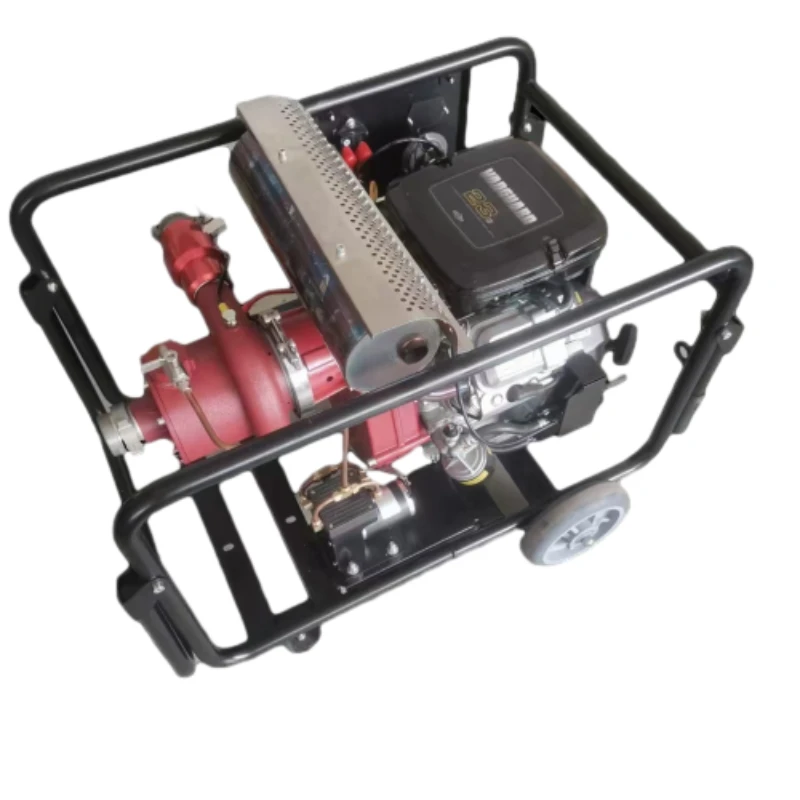
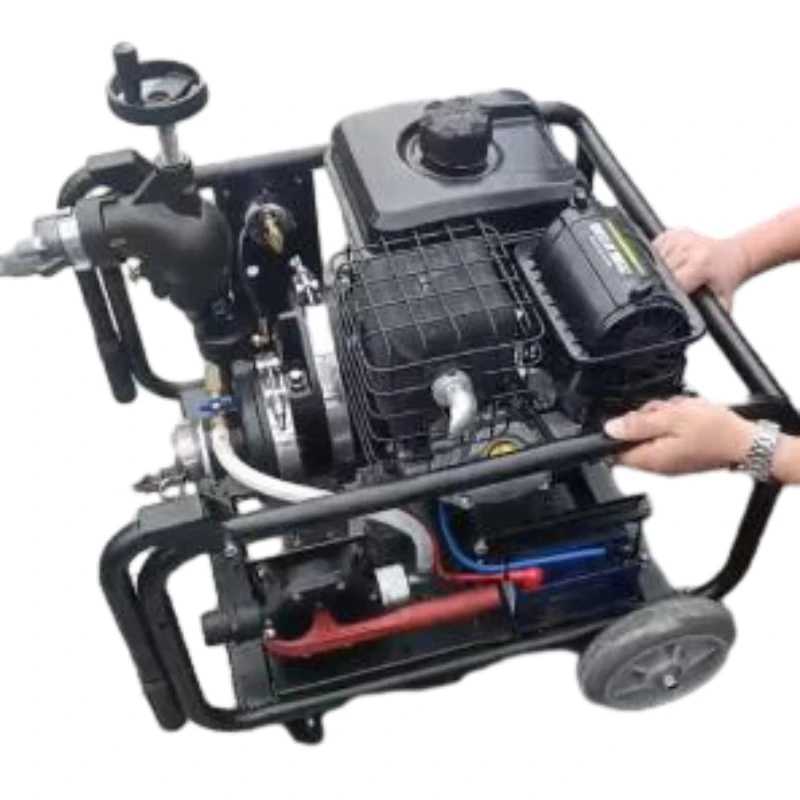
Unlike standard sprinklers, these require high-pressure pumps—think 1000 psi or more—to atomize water properly. This means more reliable and forceful mist delivery.
3. Intelligent Detection Systems
Many mist fire sprinkler systems are integrated with smart detectors that trigger activation precisely, cutting down false alarms and unnecessary use.
4. Water Quality Management
The quality of water used is often higher to avoid nozzle blockages. This is crucial for long-term durability and maintenance.
5. Control Valves and piping
Durable materials like stainless steel or corrosion-resistant alloys are preferred here, ensuring system longevity even in harsh environments.
Mini takeaway: The magic lies in the details — from high-pressure pumps to finely tuned nozzles — it’s a carefully orchestrated dance of engineering finesse.
How Mist Fire Sprinkler Systems Are Changing Industries Worldwide
A bit of trivia: these systems aren’t just for high-tech buildings. They’re popping up in all sorts of places globally.
- Japan & South Korea: dense urban zones favor mist sprinklers because space and water conservation are critical.
- Europe: Historic buildings and museums employ them to protect invaluable artifacts without the risk of water damage.
- Middle East: Oil refineries and industrial plants use mist systems due to their rapid response and minimal water usage.
- Humanitarian Aid: In temporary shelters for displaced populations, these systems provide an affordable, lightweight fire-safety option.
Imagine a warehouse full of sensitive electronics — a slow-watering system means ruined hardware. But a mist sprinkler cools the fire and suppresses smoke without over-saturating everything.
The Real Advantages of Opting for Mist Fire Sprinkler Systems
- Water Efficiency: Uses up to 90% less water than traditional sprinklers.
- Reduced Damage: Minimizes water damage to property and inventory.
- Environmental Friendly: Conserves water—an increasingly scarce resource globally.
- Faster Fire Suppression: Effective cooling and oxygen displacement suppress flames quicker.
- Lower Maintenance: Less prone to clogging and corrosion when maintained properly.
It’s a rare combo in fire safety: sustainability meets performance. For facility managers, it’s also about trust—knowing they’ve got a system that protects people and assets without the collateral water damage.
| Feature | Specification |
|---|---|
| Droplet Size | Under 100 microns |
| Operating Pressure | 1000 - 1500 psi |
| Activation Method | Thermal and Smoke Detection |
| Water Consumption | 75% to 90% less than traditional systems |
| Pipe Material | Stainless Steel / Corrosion-Resistant Alloy |
| Typical Coverage Area | Up to 100 sq. meters per sprinkler |
Vendor Comparison: Finding the Right Mist Fire Sprinkler System Partner
| Vendor | Core Strengths | Typical Use Cases | Price Range |
|---|---|---|---|
| AquaMist Solutions | Advanced sensor tech, low-maintenance design | Hospitals, Museums | $$$ |
| EcoSpray FireControl | Sustainability focus, energy-efficient pumps | Industrial, Warehouses | $$ |
| RapidResponse Systems | Fast activation, modular setups | Humanitarian shelters, Remote sites | $$ |
The Future: What’s Next for Mist Fire Sprinkler Systems?
Here’s where things get exciting. The mist fire sprinkler system isn’t standing still:
- Green Tech Integration: Using renewable energy to power pumps reduces carbon footprints.
- Smart Systems: IoT integration means predictive maintenance and real-time monitoring. No more guessing if the system’s ready.
- Advanced Materials: New corrosion-resistant alloys and self-cleaning nozzles reduce upkeep burden.
- Policy Shifts: Governments embracing water-efficient fire suppression to meet environmental goals.
Common Challenges & How Experts Are Tackling Them
Here’s the real talk: despite all the benefits, mist fire sprinkler systems aren’t perfect. Pressure needs to be high, meaning energy costs can be a factor. Also, nozzle clogging can happen if water quality isn’t managed well.
Innovative strategies include using recycled water treated to ultra-pure standards and incorporating energy-saving pump technologies. Many engineers also recommend regular testing protocols and easier-access designs to ensure reliability.
FAQ: Your Questions About Mist Fire Sprinkler Systems
Q1: How does a mist fire sprinkler system compare to traditional sprinklers in water use?
A1: Mist systems typically use 75% to 90% less water due to the fine droplet size and targeted suppression, greatly reducing water damage and conserving resources.
Q2: Are mist fire sprinkler systems suitable for industrial environments?
A2: Absolutely. They’re excellent where high-risk flammable materials exist, offering rapid suppression without excess water that could damage equipment.
Q3: How often should mist fire sprinkler systems be maintained?
A3: Regular checks at least twice a year are advised. Maintenance focuses on nozzle cleanings, water quality checks, and pump performance to avoid clogs and system failures.
Q4: Can mist fire sprinkler systems be installed in older buildings?
A4: Yes, many vendors offer retrofit solutions compatible with existing structures, often with minimal modifications required.
Q5: Are mist systems more expensive to install than traditional sprinklers?
A5: Upfront costs can be higher due to pressure requirements and specialized nozzles, but long-term savings from water efficiency and reduced damage usually offset this.
Wrapping It Up: Why Invest in Mist Fire Sprinkler Systems?
If you ask me, the mist fire sprinkler system embodies a fresh look at fire safety—one where smart water use meets fast, reliable fire suppression. It’s not only good for your assets but for the planet. Whether safeguarding priceless objects, protecting sensitive tech, or providing fast-fire defense in makeshift shelters, it’s a future-proof choice.
Curious to explore your options? Visit our website: https://www.ffwfiresafety.com and see how the mist fire sprinkler system can fit your unique needs.
Mini takeaway: Fire safety is evolving—from bulk water flooding to precise mist action, less is truly more.




 English
  Arabic
  Bengali
  China
China  French
  German
  Hausa
Hausa  Indonesian
  Italian
  Japanese
  Javanese
  Malay
Malay  Persian
  Portuguese
  Punjabi
  Russian
  Spanish
  Swahili
  Telugu
  Vietnamese