








Understanding Domestic Water Mist Systems: Why They’re More Important Than Ever
In a world where fire safety is a universal concern—from bustling city apartments to remote rural homes—the rise of domestic water mist systems offers a beacon of hope. They’re not just a fancy upgrade to sprinklers; these systems promise smarter, safer, and more eco-friendly ways to protect lives and property. Put simply, understanding domestic water mist systems means understanding a clever fusion of technology and practicality that could redefine safety standards globally.
The Global Context: How Domestic Water Mist Systems Fit In
Did you know that according to the United Nations Office for Disaster Risk Reduction, house fires claim thousands of lives annually, most in domestic settings? The World Bank also notes rapid urbanization increases fire risks in compact living spaces. Traditional fire suppression methods often waste water and cause secondary damage—a big problem globally.
Enter domestic water mist systems: designed to reduce water usage by up to 90% compared to conventional sprinklers, while curbing smoke and toxic gases more effectively. These systems have become a crucial tool in neighborhoods striving for better fire resilience without the heavy environmental impact. The challenge: many regions lack awareness or infrastructure to adopt them widely.
So, What Exactly Are Domestic Water Mist Systems?
At their core, domestic water mist systems are fire suppression installations that spray ultra-fine water droplets (mists) to fight fires. Unlike traditional sprinklers that drench areas with larger water droplets, mist systems use high pressure to atomize water into tiny droplets, vaporizing quickly and absorbing heat efficiently.
This technology isn’t just for fancy commercial buildings anymore. They've been adapted for domestic use because they minimize water damage and are safer for electronics, furniture, and occupants—all while maintaining outstanding fire control.
Mini Takeaway:
Domestic water mist systems blend effective fire control with water-saving benefits, making them increasingly vital in our resource-conscious age.
Key Components That Make Domestic Water Mist Systems Tick
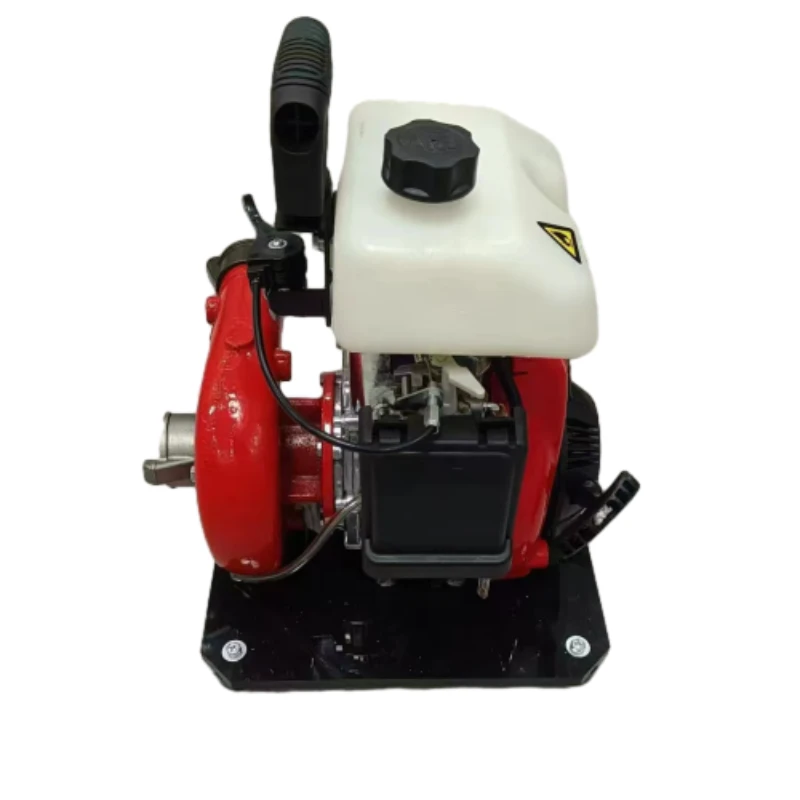
1. High-Pressure Pumps
These are the heart, delivering water at pressures typically above 100 bar, critical for atomizing water into fine droplets. Reliability here means everything—if the pump fails, the system won't protect.
2. Special Nozzles
Designed to create a mist rather than sprays, these nozzles are engineered to produce droplets typically less than 100 microns in size. Their material selections ensure longevity and corrosion resistance.
3. Control Panel & Sensors
Advanced detection and activation mechanisms reduce false alarms and ensure swift, localized response. Many models interface with home automation systems for smarter alerts.
4. Water Supply & Storage
Because these systems use less water, often a smaller tank suffices, which is a huge plus in domestic settings where space is premium.
5. Pipework and Distribution
Domestic layouts require careful routing, as the mist's effectiveness depends on proper coverage.
Mini Takeaway:
High pressure, precision nozzles, and smart sensors work in harmony to make domestic water mist systems efficient and reliable.
Where Are Domestic Water Mist Systems Making a Difference?
Their proliferation is especially noticeable in Europe and Asia, where tight building codes and high-density housing call for innovative fire solutions. For instance, in Japan — frequently affected by earthquakes and fires — these systems protect homes without flooding interiors.
In Northern Europe, social housing projects increasingly integrate water mist to comply with stringent environmental and safety policies.
Even in disaster relief camps, compact water mist setups provide emergency fire protection amid rough conditions. NGOs appreciate their low water requirements and minimal damage potential, which can be crucial in fragile settings.
Examples:
- Multi-level apartment complexes in Berlin integrating eco-friendly fire defense.
- Remote industrial worker housing in Australia leveraging mist systems for enhanced safety.
- NGOs deploying rapid-install domestic water mist units in refugee settlements.
Mini Takeaway:
From urban neighborhoods to remote aid zones, domestic water mist systems adapt to diverse environments and needs.
Why Invest in Domestic Water Mist Systems? Advantages and Long-Term Value
Let’s be frank: installing advanced fire systems is an investment. But the benefits? They stack up swiftly.
- Water Efficiency: Uses a fraction of water compared to sprinklers, reducing damage and conserving resources.
- Enhanced Safety: Smaller droplets cool fires effectively and reduce toxic smoke, protecting both people and possessions.
- Minimal Damage: Crucial in homes packed with electronics or delicate materials.
- Sustainability: Lower water waste aligns with global efforts like those outlined in the ISO 14001 Environmental Management guidelines.
- Trust and Peace of Mind: Knowing your home is safeguarded thanks to technology that’s stood up to rigorous testing.
Mini Takeaway:
This fire protection method offers a rare combination of ecological responsibility and robust safety, practically a win-win for homeowners.
Product Specification Table: Typical Domestic Water Mist System
| Specification | Detail |
|---|---|
| Operating Pressure | 120 bar (approx. 1740 psi) |
| Water Flow Rate | 5–15 liters per minute per nozzle |
| Droplet Size | Less than 100 microns average |
| Activation | Thermal & smoke sensors with automatic release |
| Water Tank Capacity | 50–200 liters (modular) |
| Coverage Area | Up to 40 m² per system (varies by layout) |
| System Life Expectancy | 15+ years with regular maintenance |
Comparing Top Vendors for Domestic Water Mist Systems
| Feature | FireSafe Solutions | MistGuard Technologies | AquaShield Systems |
|---|---|---|---|
| Typical Operating Pressure | 120 bar | 130 bar | 115 bar |
| Water Tank Options | 50-150 liters | Modular tanks up to 200 liters | 70-120 liters |
| Compatible Sensors | Thermal and smoke detectors | Advanced AI-based sensors | Standard thermal sensors |
| Smart Home Integration | Yes (via app) | Yes (IoT enabled) | Limited |
| Warranty | 10 years | 12 years | 8 years |
The Road Ahead: Innovations and Industry Trends
Looking forward, domestic water mist systems are riding the wave of digital transformation. IoT-enabled sensors promise quicker activation and system diagnostics straight to your phone. Materials are evolving too: corrosion-resistant alloys and eco-friendly nozzles reduce maintenance needs.
Some companies are even experimenting with renewable energy-powered pumps—solar-powered domestic water mist systems aren't sci-fi anymore, especially in off-grid areas.
Regulatory bodies worldwide have started updating building codes to favor water mist tech, reflecting growing confidence in their performance and sustainability advantages.
Mini Takeaway:
The fusion of digital tech and sustainability is setting the stage for the next generation of smarter, greener domestic water mist systems.
Challenges and Practical Solutions
As promising as they are, domestic water mist systems face hurdles. First off, cost can be a barrier; high-pressure components and cutting-edge nozzles add upfront expenses. Many homeowners hesitate to invest without clear return assurances.
Moreover, installation requires expertise to optimize coverage and avoid blind spots. Without proper design, effectiveness diminishes.
To tackle these, industry leaders recommend modular designs that scale with user budgets and easy maintenance plans. Also, awareness campaigns coupled with government incentives can boost adoption — sort of a community trust-building effort.
FAQ: Your Questions About Domestic Water Mist Systems
- Q: How much water does a domestic water mist system actually save compared to traditional sprinklers?
- A: They typically use 70-90% less water by spraying ultra-fine droplets, which absorb heat more efficiently and extinguish fires faster, leading to far less water wastage and damage.
- Q: Are these systems safe for homes with electronic devices and delicate furniture?
- A: Absolutely. The mist produces far less water runoff, significantly reducing water damage risk to electronics and interiors compared to conventional sprinklers.
- Q: Can domestic water mist systems integrate with my smart home setup?
- A: Many modern systems offer IoT-enabled sensors and app-based control, letting you monitor status and receive alerts remotely.
- Q: How often should the system be maintained?
- A: Manufacturers usually recommend annual check-ups for pump, sensors, and nozzles to maintain peak performance and longevity.
- Q: What is the typical lifespan of these systems?
- A: With proper upkeep, most systems last 15 years or more, making them a durable fire safety investment.
Wrapping Up: Why Domestic Water Mist Systems Deserve a Spot in Every Home
It feels like we’re standing at a crossroads: continuing with bulky, wasteful fire suppression or embracing smarter, elegant tech that safeguards homes with less environmental cost. Domestic water mist systems marry practicality with innovation, offering a vision of safer, greener living spaces. They’re not just about putting out fires but preserving dignity, property, and peace of mind.
If you’re curious, or want to explore the latest in trusted water mist tech, visit domestic water mist systems to discover solutions tailored to your needs.




 English
  Arabic
  Bengali
  China
China  French
  German
  Hausa
Hausa  Indonesian
  Italian
  Japanese
  Javanese
  Malay
Malay  Persian
  Portuguese
  Punjabi
  Russian
  Spanish
  Swahili
  Telugu
  Vietnamese