








Why Lightweight Water Pumps Matter More Than Ever
If you think about how essential water is to life, it becomes clear why the technology we use to move it — like pumps — play a pivotal role worldwide. Especially in a time marked by rapid urbanization, climate change, and disaster vulnerability, lightweight water pumps have emerged as true game-changers. They tackle global challenges like water scarcity, emergency relief, and infrastructure development, all while offering ease of use and transportability. In essence, understanding lightweight water pumps is crucial not just for engineers or aid workers, but for anyone invested in a sustainable and resilient future.
Looking at the Global Landscape for Lightweight Water Pumps
Worldwide, millions of people lack reliable access to safe water. According to the United Nations, about 2.2 billion people still don’t have safely managed drinking water services, a staggering figure that calls for innovation in water technology. Lightweight water pumps meet this challenge head-on—they allow rapid installation and operation in areas with limited infrastructure. From remote villages in sub-Saharan Africa to flood-ravaged regions in Southeast Asia, these pumps are essential tools to move water quickly, efficiently, and often without heavy machinery.
Plus, the World Bank underlines how water infrastructure investments with flexible, low-weight equipment reduce costs and environmental footprint — making the case for lightweight designs even more compelling.
What Exactly Is a Lightweight Water Pump?
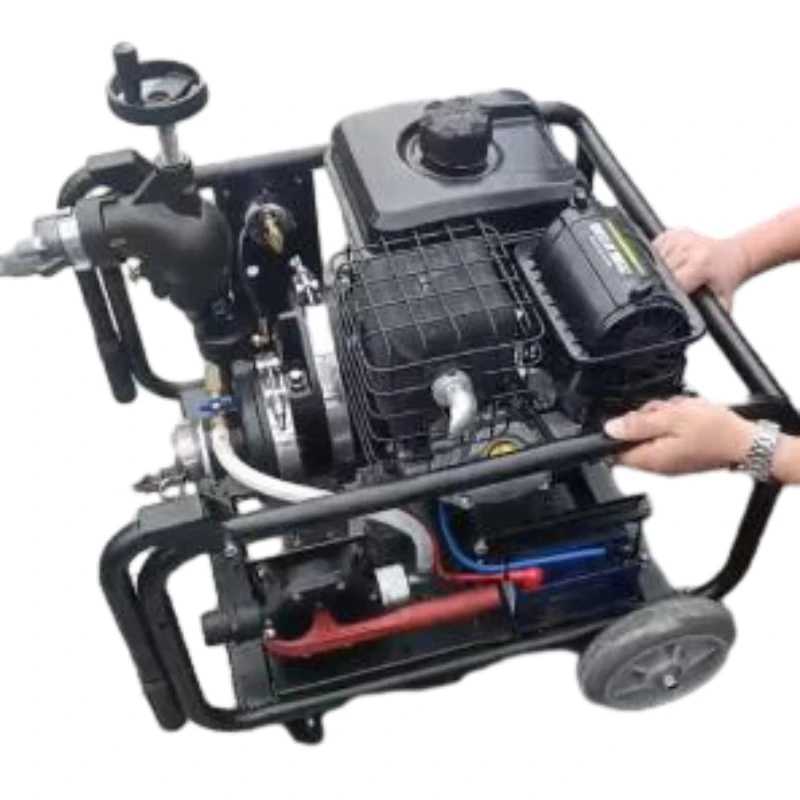
At its simplest, a lightweight water pump is a device designed to move water that is smaller, easier to transport, and often more energy-efficient than traditional pumps. Usually weighing between a few kilograms up to about 30 kg, these pumps can be manually carried, deployed in minutes, and often powered by portable engines, batteries, or even solar panels.
Connecting back to broad humanitarian and industrial needs, such pumps serve in places where heavy infrastructure can’t be relied upon or where emergency response demands quick action. Whether it's irrigating crops in isolated farms or providing drinking water post-disaster, lightweight water pumps answer an urgent need.
Key Components and What Makes Them Tick
1. Durability and Material Choice
Many engineers swear by corrosion-resistant materials such as aluminum alloys or reinforced plastics in these pumps. It’s odd how something so light can still take a beating—durability is key when you’re trudging through muddy terrains or coastal salt spray.
2. Power Source Flexibility
From gasoline engines to solar cells or hand cranks, lightweight water pumps often boast multiple power options, increasing their adaptability. Some models even combine battery storage with solar charging, which feels like a small revolution in off-grid water solutions.
3. Flow Rate and Pressure
Practical use demands a balance here: pumps must provide enough flow to meet urgent needs but not be so powerful that they’re bulky or consume lots of energy. Typical flow rates range between 200 to 1,200 liters per minute — roughly the output of a decent garden hose to a small fire hose.
4. Portability and Form Factor
Plainly, ease of transportation is non-negotiable. Compact frames with integrated handles or even backpack mounts are common. These design touches matter because water pumps need to be moved by foot or small vehicles, rather than big trucks, especially in inaccessible regions.
5. Scalability and Adaptation
Some lightweight pumps ship with modular parts or attachments to adjust for different tasks—low-head irrigation or high-head firefighting, for example—making them versatile tools for various industries.
Real-World Applications of Lightweight Water Pumps
- Disaster Relief: After earthquakes or floods, conventional pumping systems get damaged or become inaccessible. Lightweight pumps allow rapid access to clean water and help remove standing floodwaters.
- Remote Agriculture: Small farms in mountainous or off-grid areas leverage lightweight pumps to irrigate crops without expensive rural electrification.
- Firefighting: In wildfire-prone regions, these pumps are indispensable for firefighters needing nimble water sources they can deploy far from hydrants.
- Construction Sites: Temporary water transfer or dewatering uses lightweight pumps, which can quickly be moved as the worksite changes.
- Military and Expeditionary Forces: Lightweight, portable water pumps support logistics in harsh environments where heavy equipment is a liability.
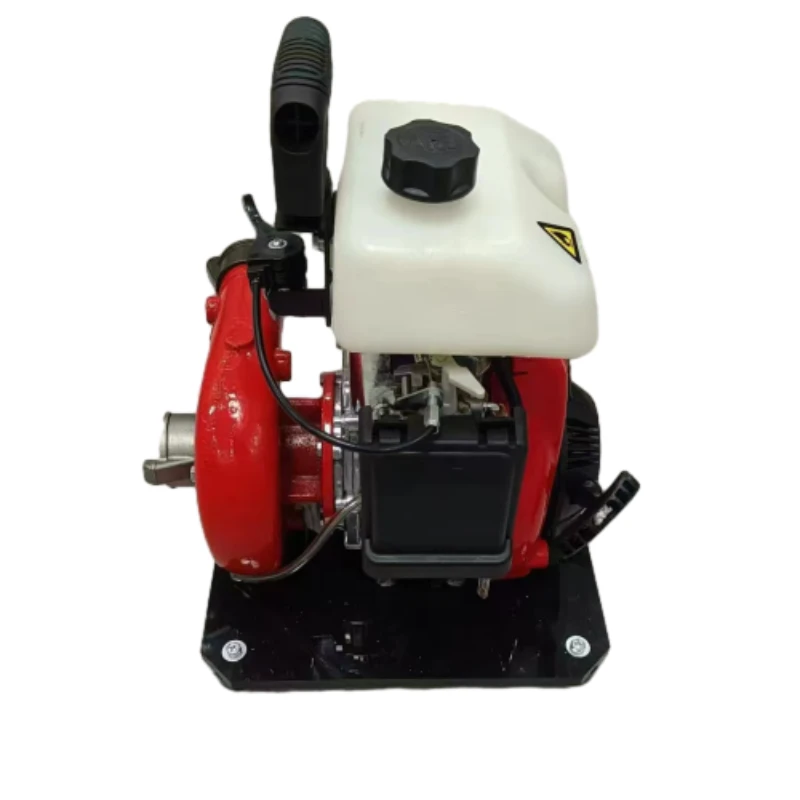
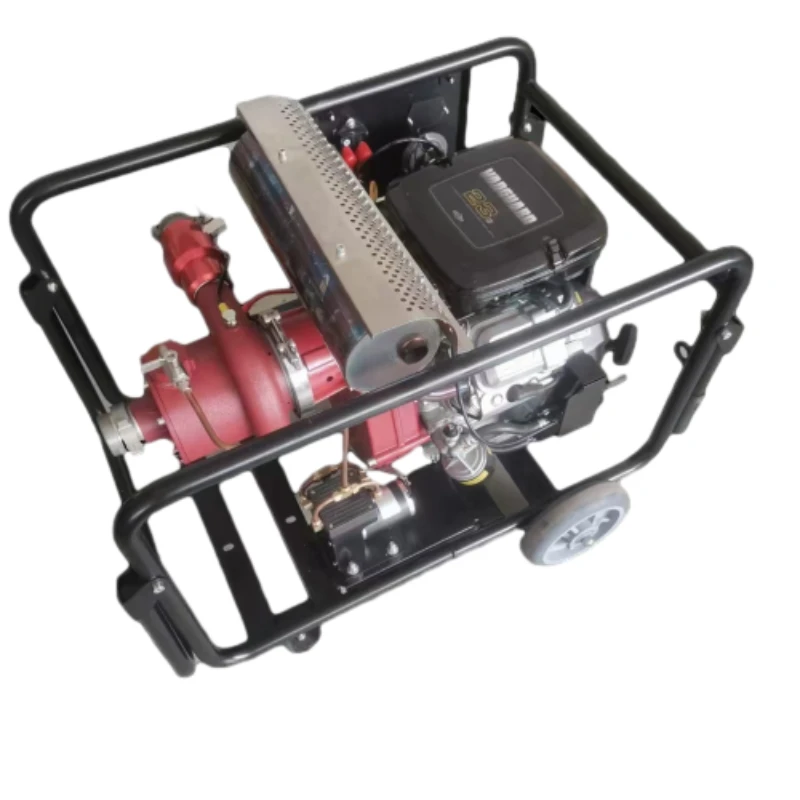
For a closer look, the lightweight water pump selection often includes models optimized for such diverse roles — evidence of their widespread utility.
Advantages & Long-Term Value of Investing in Lightweight Water Pumps
Cost-wise, these pumps lower initial outlay and operational expenses when compared to traditional heavy-duty units. Sustainability is baked in because they often consume less fuel or leverage renewable sources. On a social level, access to water via portable pumps means health improvements and dignity for displaced communities.
Logical benefits blend with emotional ones; trust develops because responders know they can count on the technology to arrive fast and work reliably under pressure. Innovation aside, these pumps deliver peace of mind, which is priceless in emergencies.
Innovations on the Horizon Shaping Lightweight Water Pump Technology
Green energy integration is accelerating, with solar and hybrid-powered pumps becoming standard in the next five years. Materials science advances, such as carbon fiber composites, promise even lighter yet stronger frames. Automation and remote monitoring—think IoT connectivity—bring data to operators for maintenance and performance optimization without on-site visits.
Policies encouraging low-carbon and modular equipment also promote widespread adoption. Oddly enough, as digital transformation sweeps through industrial tools, the humble water pump is quietly evolving into a smarter, greener companion.
Challenges Still Facing Lightweight Water Pumps and Ways Forward
Despite their many strengths, some lightweight pumps struggle with limited flow capacity and shorter lifespans compared to heavy machinery. Susceptibility to sediment clogging or damage in rough conditions can also be issues.
However, industry leaders are addressing this with reinforced filtration systems, modular repairs, and hybrid designs that scale power when needed. Training users in maintenance and matching pump specs closely to tasks help minimize these drawbacks.
FAQs About Lightweight Water Pumps
- How do lightweight water pumps compare to traditional pumps in terms of energy use?
- Lightweight pumps are generally more energy-efficient due to smaller motors and optimized design. Many can operate on renewable power sources, reducing fuel consumption and emissions, which is a big plus for sustainability-conscious users.
- Can lightweight water pumps be used for firefighting?
- Absolutely. Certain models are designed with sufficient pressure and flow rates to support firefighting efforts, especially in rural or wildland areas where heavy apparatus can't reach quickly.
- Are these pumps easy to maintain in the field?
- Yes. Their modular construction and simpler mechanisms make routine maintenance straightforward. Most manufacturers provide user-friendly guides to assist local operators or responders with cleaning and minor repairs.
- What’s the typical lifespan of a lightweight water pump?
- With proper care, many units last between 5 to 10 years, though this varies with usage intensity and environment. Regular maintenance extends operational life significantly.
- Can NGOs import lightweight water pumps internationally without hassle?
- It depends on export regulations and standards compliance, but many pumps meet ISO and IEC certifications, easing customs processes. Partnering with reputable vendors who understand international logistics is key.
Summary and Next Steps
Lightweight water pumps combine engineering finesse with practical needs, providing efficient water movement in settings where every kilogram and minute count. They address global water challenges with speed, versatility, and sustainable operation.
If you’re interested to explore cutting-edge models and solutions tailored to your specific needs, do check out our featured products at FFW Fire Safety. Whether it’s for emergency response, agriculture, or industrial use, a lightweight water pump just might be your next best investment.
Product Specification Table
| Model | Weight (kg) | Max Flow Rate (L/min) | Power Source | Material | Price Range (USD) |
|---|---|---|---|---|---|
| AquaLite 200 | 8.5 | 450 | Battery / Solar | Aluminum Alloy | $850 - $1100 |
| HydroGo Mini | 5.2 | 300 | Gasoline | Composite Plastic | $620 - $800 |
| FireSwift 1200 | 28 | 1200 | Diesel / Battery Hybrid | Steel Frame + Polymer | $1950 - $2300 |
Vendor Comparison Table: What to Consider When Choosing Your Supplier
| Vendor | Product Range | Warranty | Global Shipping | Customer Support |
|---|---|---|---|---|
| AquaFlow Industries | Lightweight, hybrid, solar pumps | 3 years | Yes (default airway) | 24/7 hotline + online tutorials |
| Hydro Solutions Ltd. | Gasoline & battery-powered pumps | 2 years | Selective regions only | Email support, limited hours |
| SwiftPump Gear | Portable firefighting and agricultural pumps | 5 years | Worldwide | Dedicated field engineers + training |





 English
  Arabic
  Bengali
  China
China  French
  German
  Hausa
Hausa  Indonesian
  Italian
  Japanese
  Javanese
  Malay
Malay  Persian
  Portuguese
  Punjabi
  Russian
  Spanish
  Swahili
  Telugu
  Vietnamese