








Understanding the Mobile Water Pump: A Vital Tool in Global Water Management
Water—the one resource everyone agrees is indispensable, yet in many areas, it’s frustratingly scarce or hard to transport. This is where mobile water pumps come into play. In the ever-challenging quest to move water efficiently, whether for firefighting, agriculture, or relief efforts, mobile water pumps offer a practical solution. Their importance spans continents and industries, making access to water more agile, reliable, and sometimes, quite literally, life-saving.
Grasping the ins and outs of mobile water pumps doesn’t just help engineers or disaster relief coordinators—it benefits communities, governments, and businesses worldwide. Curious why? Let’s dive in.
The Global Context: Why Mobile Water Pumps Matter More Than Ever
According to the United Nations, over two billion people live in water-stressed regions, a figure expected to climb with climate shifts and urban expansion (1). Conventional water delivery is often impractical in emergencies or remote sites. Here, mobile water pumps bridge a critical gap.
Industries, including agriculture (which consumes about 70% of global freshwater resources), urban firefighting, and mining, rely increasingly on portable solutions to access or redirect water efficiently. Yet logistical and environmental challenges abound—imagine a wildfire spreading rapidly across rugged terrain or a flooded village where standing water exacerbates health risks. Mobile water pumps address these huge demands by offering flexible, fast, and often scalable water movement.
Mini takeaway: Mobile water pumps are a frontline technological answer to one of our planet’s oldest challenges—moving water where it’s needed, fast and smart.
So, What Exactly Is a Mobile Water Pump?
Put simply, a mobile water pump is a transportable device—engine-driven or electrically powered—that can move water from one place to another. Unlike stationary pumps buried in wells or pipes, mobile units can be packed up and moved by vehicles or even carried by hand, depending on size.
They range from light-duty pumps small enough for irrigation on family farms, to industrial-grade units deployed by firefighting teams or municipal authorities. At their core, they serve the same function but in ways adapted to the urgency, volume, and environment of their deployment.
In modern industry and humanitarian work, these pumps are essential. Take disaster relief, for example: after floods, quickly removing standing water prevents disease and property loss. In remote mining sites, reliable water access supports processing operations and dust control.
Core Components That Make Mobile Water Pumps Tick
1. Durability
Many engineers swear by rugged designs that withstand dust, humidity, and shocks. After all, when you’re pumping water in tough terrains or rebuilding after a disaster, the last thing you want is a fragile system breaking down. Materials like stainless steel or reinforced plastic housings are common.
2. Portability and Size
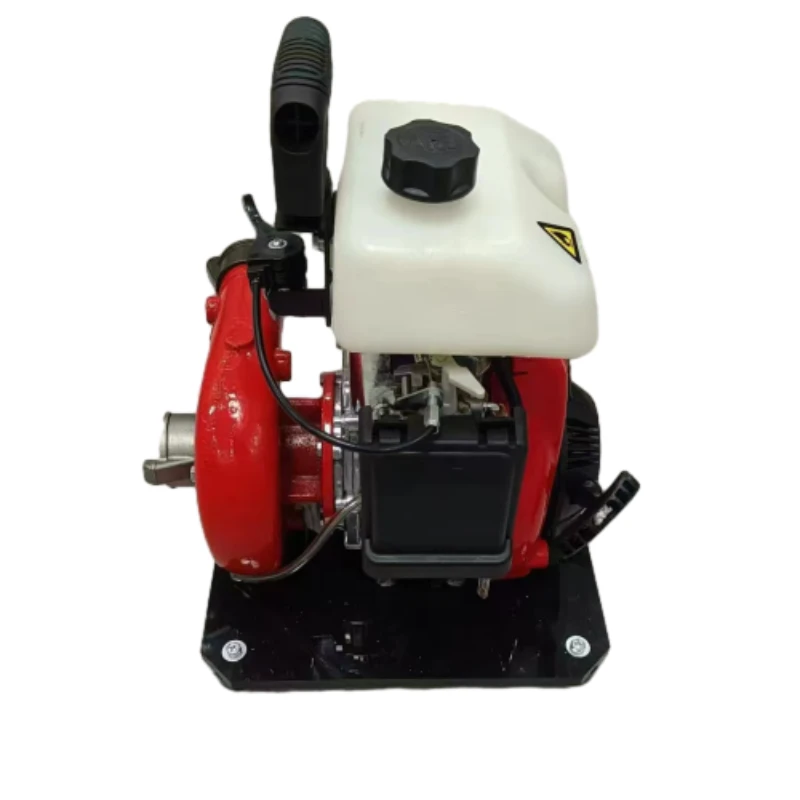
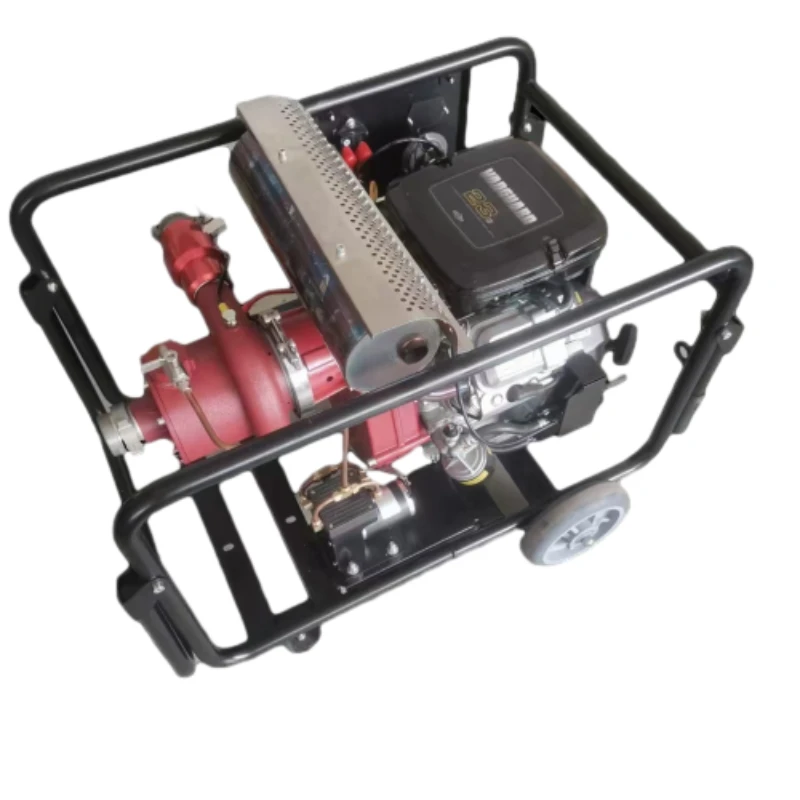
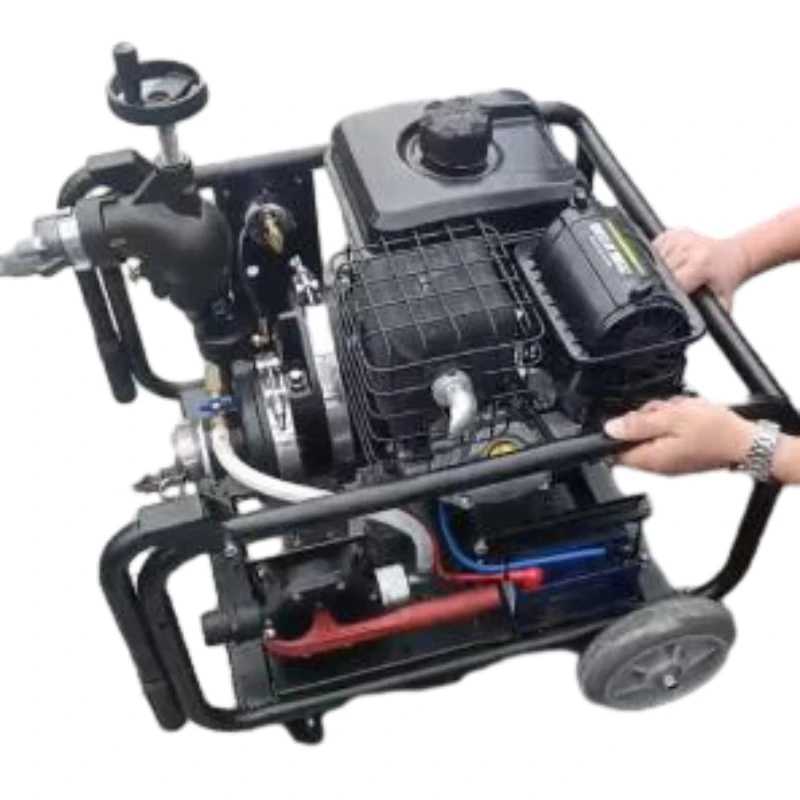
Mobility is, of course, in the name. Some pumps fit in a standard truck bed or attach to trailers, while smaller versions weigh under 10 kg and include handles for quick carry. The idea is to have the pump not just perform well—but be deployable within minutes.
3. Power Source
Traditionally, diesel or petrol engines dominate portable pumps, prized for power and range. But there’s a shift to electric or hybrid models in places emphasizing low emissions and quieter operation. Solar-powered pumps are also emerging, especially for agricultural use in off-grid regions.
4. Flow Rate and Head
Flow rate dictates how much water can be moved per minute, while head refers to the height the pump can lift water. These factors define practical applications—from simple irrigation to complex firefighting scenarios needing volume and pressure.
5. Ease of Maintenance
In harsh environments, easy-to-service pumps save downtime. Users appreciate models designed with common components, simple filters, and accessible inner parts.
Mini takeaway: When choosing a mobile water pump, think durability, power, size, and maintenance as your key compass points.
Real-World Applications: From Fields to Fire Lines
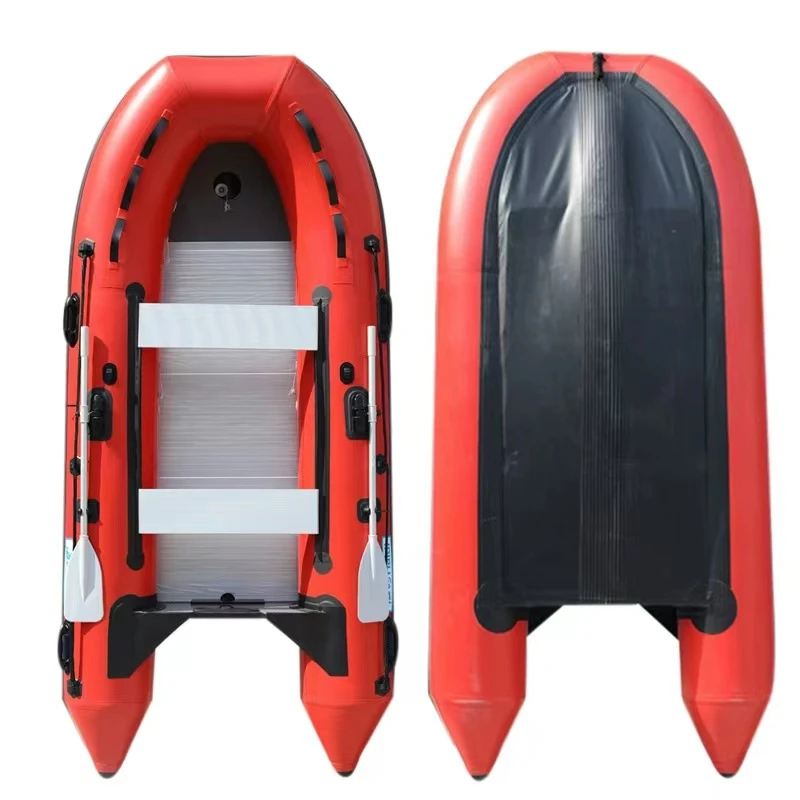
- Disaster Response: In post-flood zones like those often seen in South Asia or parts of Africa, mobile water pumps quickly evacuate stagnant water, reducing mosquito breeding and contamination risks.
- Agriculture: Remote farmers in arid regions use portable pumps to irrigate crops, supporting food security.
- Firefighting: Mobile pumps provide a ready water source, crucial in rural or wildfire-prone zones such as California and Australia.
- Construction & Mining: Handling water at worksites or controlling dust in open pits.
- Municipal Water Supply: Temporary solutions during pipe repairs or emergencies.
In each scenario, the flexibility of moving the water pump where it’s needed beats stationary alternatives. It’s a classic case of "take the tool to the problem," not the reverse.
Advantages & Long-Term Value of Mobile Water Pumps
Financially, mobile water pumps cut costs by minimizing water waste and speeding project timelines. Environmentally, newer models integrate fuel efficiency and renewable energies, cutting carbon footprints. Socially, they enhance health outcomes by preventing waterborne diseases. And frankly, in moments of crisis, the reliability and speed of deployment instill trust and sometimes hope.
On a human level, these pumps help preserve dignity—imagine refugees or displaced communities regaining access to clean water in days rather than weeks. Such technology is at once practical and profoundly humane.
Looking Ahead: Innovations Shaping the Mobile Water Pump Landscape
Digital monitoring and IoT integration is one trend changing how operators manage pumps—remote diagnostics, predictive maintenance, and real-time flow data create smarter water management. Similarly, advances in battery technology are enabling longer work times for electric pumps.
Material science innovations, like corrosion-resistant composites and self-lubricating seals, are making devices tougher yet lighter. Policies worldwide increasingly encourage adoption of clean-energy solutions, nudging manufacturers toward greener options.
Facing Challenges: Common Issues and Smart Solutions
Portability often trades off with power—smaller units might lack needed flow, while larger pumps struggle with rapid deployment. Fuel access and environmental impact are constant concerns in remote areas.
Experts advocate modular designs, where multiple smaller pumps link up for big jobs, or hybrid power options that switch between grid and fuel. Training end-users ensures better maintenance, while global lending and leasing programs improve accessibility.
FAQ: Mobile Water Pump Basics
Q1: How quickly can a mobile water pump be deployed in emergencies?
A1: Deployment times vary by model, but many pumps are designed for setup within 15–30 minutes. Pre-deployment training further speeds this process.
Q2: Are mobile water pumps suitable for saltwater applications?
A2: Some pumps are made with corrosion-resistant parts suitable for saltwater, but it’s essential to check manufacturer specs to avoid damage.
Q3: What maintenance do mobile water pumps typically require?
A3: Regular cleaning of filters, checking seals, oil changes (for engine-powered), and occasional hose inspections are typical maintenance tasks.
Q4: Can mobile water pumps be used in cold climates?
A4: Yes, but pumps must be winterized to prevent freezing damage—draining water and using antifreeze coatings help.
Q5: Is it possible to rent mobile water pumps?
A5: Many vendors offer rental or leasing options, ideal for short-term projects or budget-conscious operations.
Mobile Water Pump: Spec Sheet Overview
| Specification | Typical Range | Notes |
|---|---|---|
| Flow Rate | 10 – 2000 liters/min | Varies by model size/power |
| Max Head | 10 – 80 meters | Important for lift capacity |
| Power Source | Diesel, Petrol, Electric, Solar | Choice affects portability & emissions |
| Weight | 5 – 150 kg | Hand-carry to truck-mounted designs |
| Material | Stainless steel, Aluminum, Composite | Balance durability vs. weight |
Vendor Comparison: Mobile Water Pump Providers
| Vendor | Primary Market | Power Options | Price Range | Special Features |
|---|---|---|---|---|
| AquaFlow Solutions | Agriculture, Mining | Diesel, Electric | $1,000 – $5,000 | Modular pumps, Remote monitoring |
| RapidPump Inc. | Firefighting, Emergency services | Petrol, Hybrid | $3,000 – $8,500 | Fast-deploy design, Lightweight frames |
| EcoPump Solutions | Off-grid agriculture, Remote communities | Solar, Battery Electric | $1,200 – $6,000 | Renewable powered pumps, Easy maintenance |
If you’re intrigued by the concept and want to explore practical models and detailed specs, feel free to check out mobile water pump resources and product lines offered worldwide.
Wrapping Up: Why Mobile Water Pumps Are Here to Stay
In the grand scheme, mobile water pumps might seem like simple mechanical tools. But their impact? Enormous. They shape how we fight fires, grow food, respond to crises, and even build resilient cities. The flexibility, combined with innovation, ensures their rising importance well into the future.
Whether you’re an engineer designing infrastructure, a firefighter rushing to a blaze, or an NGO coordinating emergency relief—trusting the right mobile water pump can make a world of difference. So, dive into specs, compare providers, and most importantly—keep water flowing wherever it’s needed.
Visit our website: https://www.ffwfiresafety.com
References:
- United Nations Water, Water Scarcity Factsheet: https://www.unwater.org/water-facts/scarcity/
- FAO - Agriculture and Water Use: http://www.fao.org/land-water/water/water-management/en/
- ISO 7005-1: General guidance on pumps: https://www.iso.org/standard/34177.html






 English
  Arabic
  Bengali
  China
China  French
  German
  Hausa
Hausa  Indonesian
  Italian
  Japanese
  Javanese
  Malay
Malay  Persian
  Portuguese
  Punjabi
  Russian
  Spanish
  Swahili
  Telugu
  Vietnamese