



Budgeting for fire suppression systems often begins with a critical question: how do various technical specifications influence the fire hydrant pump price? In municipal and industrial fire safety, the pump is the heart of the system, determining whether water reaches the necessary height and pressure to combat a blaze effectively.
The market for these pumps is not monolithic; costs fluctuate based on the power source, material composition, and the specific regulatory standards the equipment must meet. From portable units used in wildland firefighting to permanent vehicle-mounted installations, the pricing logic shifts from sheer capacity to mobility and reliability in rugged environments.
Understanding the underlying cost drivers allows procurement officers and safety engineers to balance capital expenditure with operational necessity. This analysis examines the variables that dictate pricing and how to evaluate the value proposition of different pump configurations.


The valuation of a fire hydrant pump is rarely about the pump alone; it is about the guaranteed performance under stress. The base price is established by the flow rate (gallons per minute) and the total dynamic head (pressure), which determines how far and high the water can be pushed.
Beyond basic specs, the price is influenced by the pump's "duty cycle"—whether it is designed for occasional standby use or continuous heavy-duty operation. Pumps utilizing corrosion-resistant materials for brackish water or chemical-laden environments carry a significant premium over standard cast-iron units.
Material science plays a pivotal role in determining the final cost. High-performance pumps often employ stainless steel or specialized bronze alloys to prevent cavitation and corrosion, which extends the lifespan of the equipment but increases the initial acquisition cost. The precision of the impeller design also affects efficiency; a more efficient pump reduces fuel or electricity consumption over its lifetime.
Another critical factor is the integration of control systems. Modern pumps are rarely standalone; they are paired with automated controllers, pressure sensors, and start-stop mechanisms that ensure the system activates instantly upon a drop in line pressure. These electronics add a layer of complexity and cost but are essential for compliance with international fire safety codes.
Finally, the power source—diesel, electric, or pneumatic—shifts the price bracket. Diesel-driven pumps require heavy-duty engines and fuel tanks, making them more expensive but indispensable for remote forest fire fighting where electrical grids are non-existent. Electric pumps are typically more affordable to maintain but require significant infrastructure investment for power delivery.
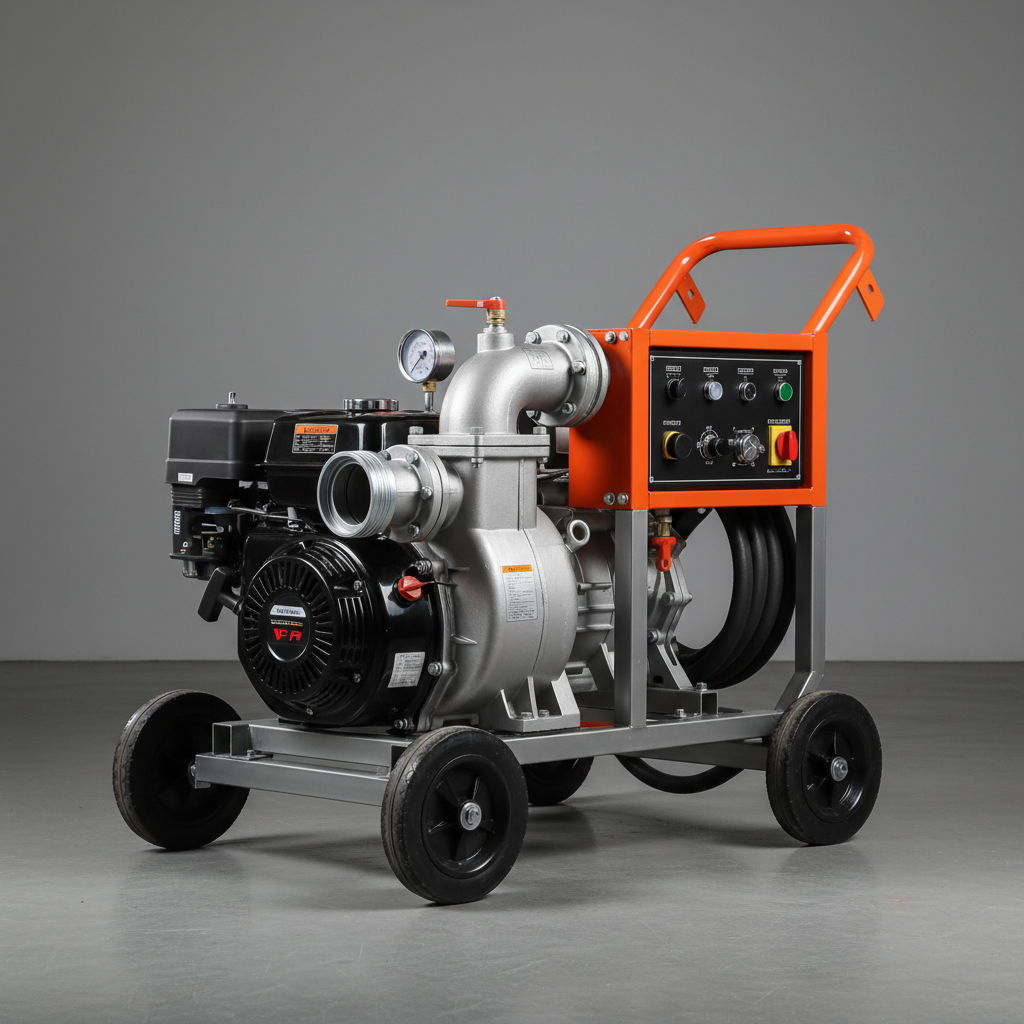
When comparing fixed installations to mobile units, the pricing logic changes from "capacity per square foot" to "performance per kilogram." Portable pumps must maintain high pressure while remaining light enough for manual transport or small vehicle mounting, necessitating the use of lightweight yet strong alloys.
The value of a mobile fire pump is measured by its deployment speed; the cost premium paid for portability is an investment in the reduction of critical response time during the first few minutes of an emergency.
For example, specialized equipment like vehicle-mounted pumps or mini portable units must be vibration-resistant and weatherproof. These ruggedization requirements mean that while the pump may have a lower flow rate than a massive industrial hydrant pump, its price per unit of output is often higher due to the specialized chassis and protective housing.
To understand how different pump types relate to the overall fire hydrant pump price, we can look at a relative value index. This index balances initial cost against operational versatility and durability.
While stationary pumps offer the highest volume for the lowest relative cost, portable and vehicle-mounted options provide the agility required for wildland and urban rescue, justifying a higher price-to-volume ratio.
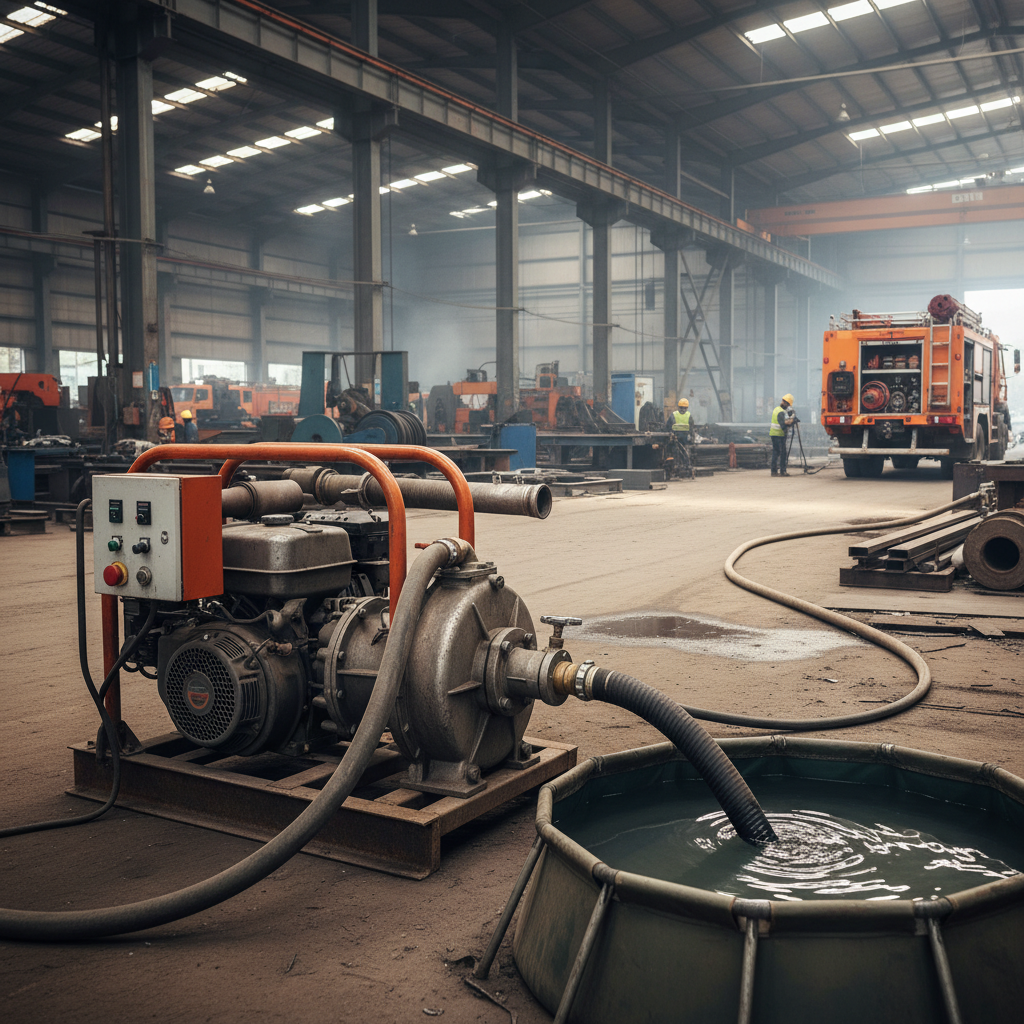
In a typical industrial setting, budgeting for fire pumps requires a holistic view of the safety ecosystem. For instance, a facility may invest in a high-capacity stationary pump but also require smaller, portable units for internal corridors where large hoses cannot reach. This tiered approach optimizes the budget by placing high-cost, high-volume equipment at the perimeter and agile, lower-cost units in the interior.
Furthermore, the total cost of ownership includes the protective gear for the operators. A comprehensive safety plan doesn't just stop at the pump; it extends to the personnel. This is where high-specification protective equipment, such as aramid fiber suits with reflective strips for visibility in smoke-filled environments, becomes a necessary part of the safety budget to ensure that the expensive pumping hardware is operated by protected and visible personnel.
The industry is shifting toward "intelligent" pumping systems. Integration with IoT sensors allows for real-time monitoring of pump health and water pressure, reducing the risk of failure during a critical event. While these smart features increase the initial purchase price, they drastically lower maintenance costs by enabling predictive rather than reactive repairs.
Another trend is the development of hybrid power systems. By combining electric standby with diesel emergency backups, operators can reduce their carbon footprint and fuel costs without sacrificing the reliability required for emergency services. This evolution is particularly evident in the development of mobile water diversion pumps used in forestry.
Moreover, there is a growing demand for specialized misting technology. Knapsack water mist pumps represent a shift toward efficiency, using less water to achieve the same cooling effect as traditional streams. This reduces the weight load on firefighters and allows for longer operational windows in remote areas.
Choosing the right pump requires a trade-off analysis between flow rate, mobility, and budget. A buyer should not simply seek the lowest price but rather the lowest "cost per single point of failure." A cheap pump that fails during a fire is infinitely more expensive than a premium pump that performs as expected.
Key evaluation factors include the pump's suction lift capability, the durability of the seals, and the availability of replacement parts. For those operating in forestry or wildland settings, the ability of the pump to handle debris-laden water is more critical than a high-efficiency rating.
The following framework provides a comparative look at how different pump categories meet various operational requirements, helping buyers align their technical needs with their financial constraints.
| Pump Type | Primary Use Case | Pressure Capability | Relative Price Point |
|---|---|---|---|
| Stationary Hydrant | Municipal/Industrial | Very High | High (Infrastructure) |
| Vehicle-Mounted | Urban Response | High | Moderate-High |
| Mini Portable | Small Scale/Interior | Moderate | Moderate |
| Knapsack Mist | Forestry/Remote | Low-Moderate | Low-Moderate |
| Mobile Diversion | Flood/Wildland | Moderate-High | Moderate |
| Portable Diesel | Remote Site/Emergency | High | Moderate-High |
The price is primarily driven by three factors: technical specifications (flow rate and pressure head), material quality (such as stainless steel or bronze alloys for corrosion resistance), and the power source (diesel, electric, or pneumatic). Additionally, the level of automation, such as integrated pressure sensors and automatic start controllers, adds to the total cost but increases system reliability.
Stationary pumps offer the best value in terms of volume per dollar, providing massive water throughput for fixed locations. Portable pumps, however, provide value through agility and deployment speed. They are engineered for weight reduction and ruggedness, meaning you pay a premium for the ability to move the equipment to the fire, rather than having the fire occur near a fixed hydrant.
It depends on the infrastructure. Electric pumps generally have lower purchase prices and lower daily maintenance costs but require a reliable power grid and expensive backup generators. Diesel pumps have higher upfront costs and higher fuel/maintenance needs but provide total independence from the grid, which is critical for forest fire fighting or sites with unstable power.
Avoid looking at the sticker price alone. Evaluate the pump's efficiency rating, the grade of the alloys used in the impeller and casing, and the warranty terms. A pump with a slightly higher price but a longer mean time between failures (MTBF) and better energy efficiency will provide a lower total cost of ownership over 10 years.
Water mist pumps often require more precise nozzles and higher-pressure smaller-volume pumps, which can increase the complexity of the design. However, because they use significantly less water, they allow for smaller, lighter tanks and pumps, which can actually reduce the overall cost of the mobile firefighting unit while improving the endurance of the operator.
Yes, installation often involves costs for piping, pressure-reducing valves, and coupling fittings. Additionally, regulatory compliance testing and annual certification by fire marshals are ongoing expenses. It is advisable to budget an additional 15-25% of the pump price for installation and initial commissioning to ensure the system meets local safety codes.
The fire hydrant pump price is a reflection of the critical role the equipment plays in life-saving operations. Whether selecting a high-volume stationary system or a lightweight portable unit, the priority must always be the balance between technical capability and operational environment.
Investing in quality hardware and complementary personal protective equipment ensures a resilient defense against fire. By focusing on material durability and deployment agility rather than just the lowest initial cost, organizations can build a safety infrastructure that remains reliable when every second counts.

SUBSCRIBE NEWSLETTER
We are very interested in your company's high-quality fire protection equipment and hope to learn more about the products and discuss purchasing matters.

Hebei FeiFanWei Technology Co.,Ltd. is a comprehensive enterprise specialized in the research, production, sales and training of emergency rescue equipment.


PRODUCTS
PRODUCTS
QUICK LINKS
CONTACT US
Hebei FeiFanWei Technology Co.,Ltd. is a comprehensive enterprise specialized in the research, production, sales and training of emergency rescue equipment.
Copyright © 2026 Hebei FeiFanWei Technology Co.,Ltd. All Rights Reserved. Sitemap | Privacy Policy | Top Blog | Global Service | Hot Products | Knowledge