








Choosing the Right Fire Rescue Axe: A Comprehensive Guide
When facing emergency situations, firefighters and rescue personnel rely on robust and reliable tools. A fire rescue axe is an indispensable piece of equipment, crucial for forced entry, ventilation, and rescue operations. Selecting the right axe involves considering various factors, from head weight and handle material to overall design. This article provides a detailed overview of fire rescue axes, their features, and how to choose the best one for your needs. Investing in a quality axe can significantly improve safety and efficiency during critical incidents.
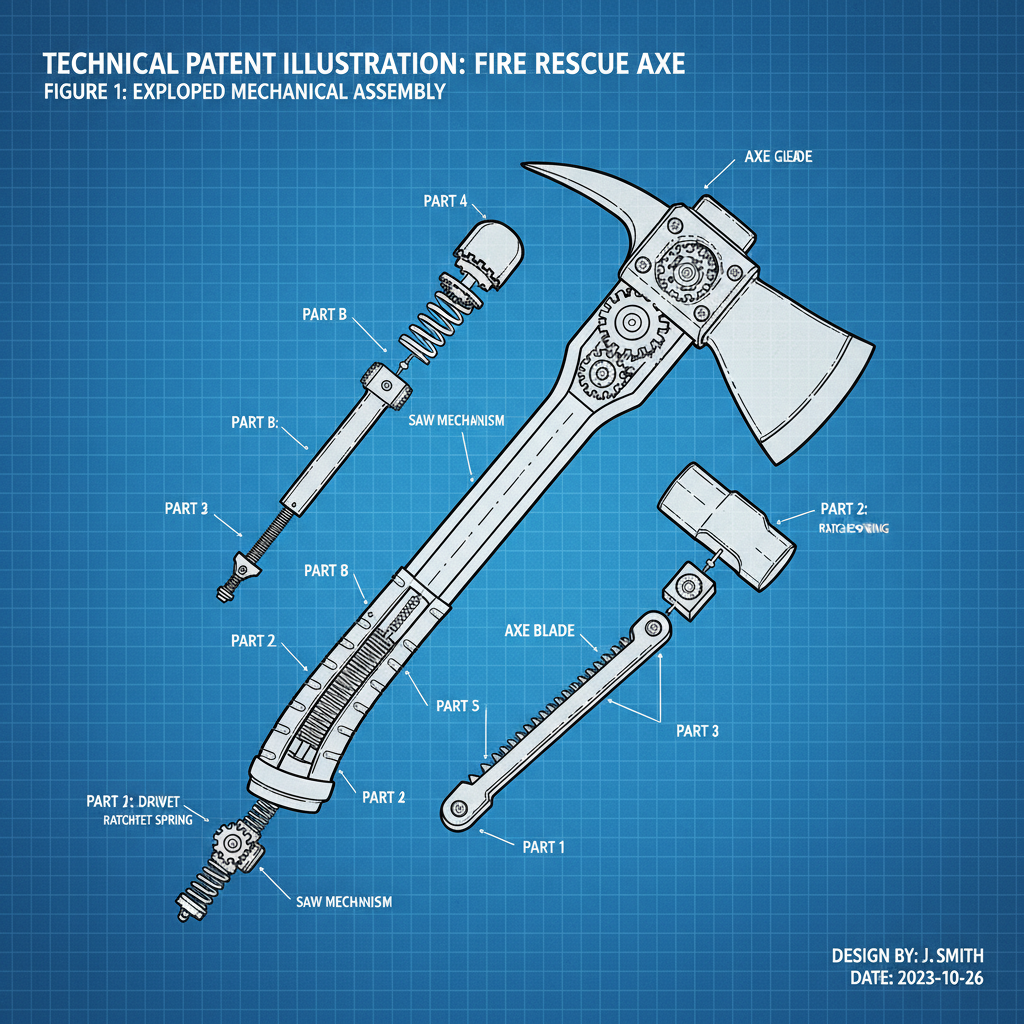
Understanding the Core Components of a Fire Rescue Axe
A fire rescue axe consists of two primary components: the head and the handle. The head, typically forged from hardened steel, performs the primary cutting and breaching functions. Different head designs cater to specific tasks; some are optimized for prying, while others excel at chopping. The handle provides leverage and control, traditionally made from hickory wood but increasingly available in fiberglass or composite materials. Each material offers distinct advantages regarding weight, durability, and shock absorption. Understanding the interplay between these components is key to selecting the right axe.
Key Components: The head, typically forged from hardened steel, performs the primary cutting and breaching functions. The handle provides leverage and control.
Exploring Different Types of Fire Rescue Axes
Several types of fire rescue axes are available, each designed for specific applications. The flathead axe is a general-purpose tool, suitable for both chopping and prying. The pickhead axe features a pointed head for penetrating hard materials like concrete and asphalt. Combination axes incorporate both flat and pick heads, providing versatility in diverse scenarios. Specialized axes, such as the Halligan bar, are designed for forced entry and offer unique prying and twisting capabilities. Choosing the right type depends on the predominant tasks expected during fireground operations.
Axe Type Breakdown:
• Flathead Axe: General-purpose chopping and prying.
• Pickhead Axe: Penetrating hard materials.
• Combination Axe: Versatility with both flat and pick heads.
• Halligan Bar: Forced entry, prying, and twisting.
Fire Rescue Axe Materials: A Comparative Analysis
The materials used in constructing a fire rescue axe significantly impact its performance and durability. Hickory handles offer excellent shock absorption and a comfortable grip, but require regular maintenance to prevent cracking. Fiberglass handles are lightweight, weather-resistant, and require minimal upkeep. Composite handles provide a balance of strength, lightweight construction, and shock absorption. Steel heads are commonly made from high-carbon steel, ensuring strength and edge retention. The best material choice depends on factors such as budget, maintenance preferences, and environmental conditions.
Key Considerations When Purchasing a Fire Rescue Axe
Several factors should guide your purchasing decision. Consider the specific tasks the axe will be used for – forced entry, ventilation, or rescue. Evaluate the weight and balance to ensure comfortable and efficient operation. Prioritize axes that meet relevant safety standards, such as those certified by NFPA. Inspect the quality of the head and handle, looking for signs of defects or weaknesses. Finally, assess the ergonomics of the grip to ensure a secure and comfortable hold, even when wearing gloves.
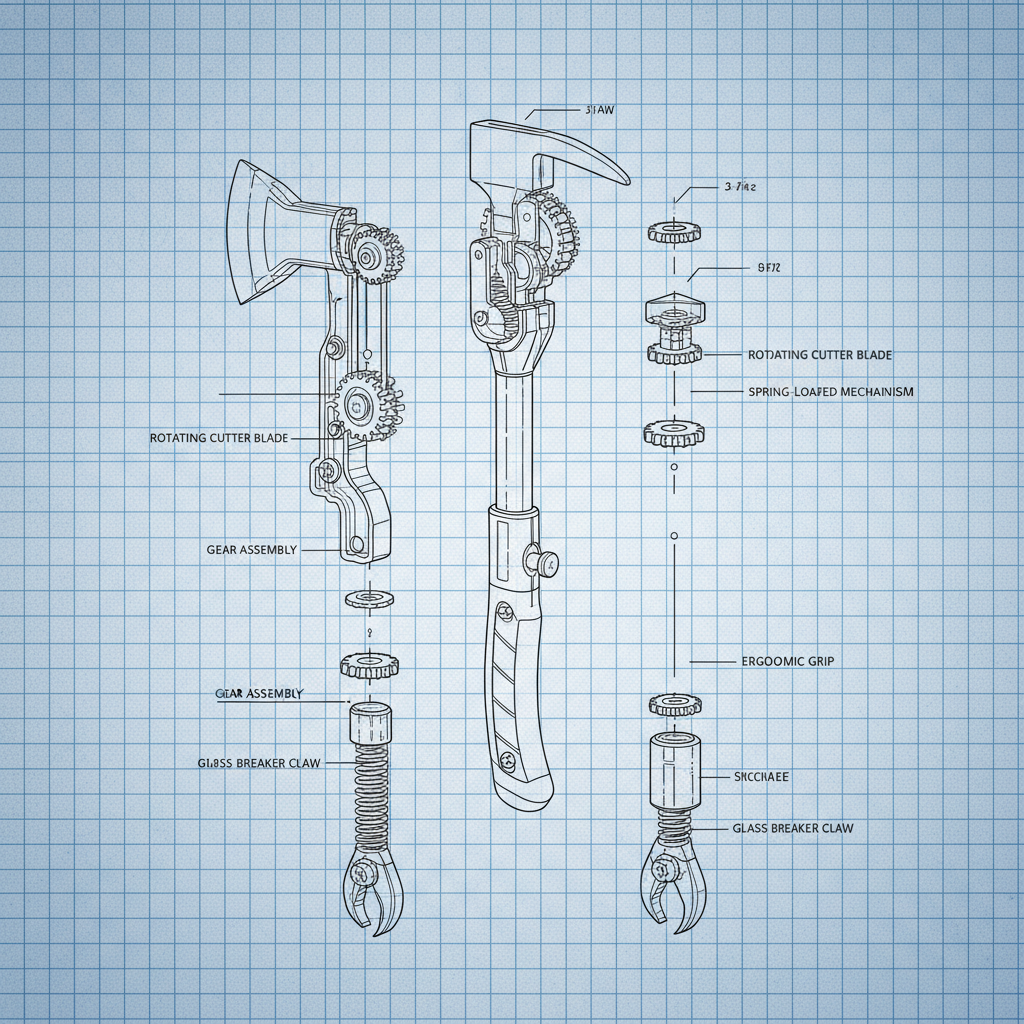
Maintenance and Safety Guidelines for Fire Rescue Axes
Proper maintenance is crucial for ensuring the longevity and reliability of your fire rescue axe. Regularly inspect the head for chips or cracks, and sharpen the blade as needed. Hickory handles should be oiled periodically to prevent drying and cracking. Fiberglass and composite handles require minimal maintenance but should be inspected for damage. Always wear appropriate personal protective equipment (PPE) when using an axe, including gloves and eye protection. Store the axe in a safe and secure location to prevent accidental injury.
Conclusion: Investing in a Reliable Fire Rescue Axe
Selecting the appropriate fire rescue axe is a vital decision for any fire department or rescue team. By carefully considering the factors outlined in this guide – from materials and types to maintenance and safety – you can ensure you are equipped with a tool that will enhance your team’s effectiveness and safety during critical incidents. Don't compromise on quality when it comes to equipment that can save lives.
Frequently Asked Questions (FAQs)
What is the ideal weight for a fire rescue axe?
The ideal weight varies depending on the user’s strength and preference, but generally falls between 4 and 6 pounds. A heavier axe delivers more force in chopping, while a lighter axe is easier to maneuver and reduces fatigue. Consider the type of tasks the axe will primarily be used for when selecting a weight. It's best to try different weights to find what feels most comfortable and efficient for you.
How often should a fire rescue axe be sharpened?
The frequency of sharpening depends on usage. A dull axe requires more force to operate and is less effective. Regularly inspect the blade for dullness – if it doesn't easily bite into wood, it’s time to sharpen. As a general guideline, sharpen the axe after every significant use or at least every few months, even if it hasn’t been heavily used. Proper sharpening ensures optimal performance and reduces the risk of injury.
What is the difference between a flathead and a pickhead axe?
A flathead axe has a wide, flat blade designed for chopping and prying. It's versatile and commonly used for general firefighting tasks. A pickhead axe features a pointed head for penetrating hard materials like concrete, asphalt, and roofing materials. It's ideal for forcing entry and creating ventilation openings. The best choice depends on the specific operational needs.
How should a fire rescue axe be stored?
Store the axe in a dry, secure location to prevent damage and unauthorized access. Ensure the blade is protected to prevent accidental cuts. A dedicated axe rack or storage container is ideal. Avoid storing the axe in direct sunlight or in areas with extreme temperature fluctuations. Regular inspection of the storage area will help maintain the axe's condition and safety.





 English
  Arabic
  Bengali
  China
China  French
  German
  Hausa
Hausa  Indonesian
  Italian
  Japanese
  Javanese
  Malay
Malay  Persian
  Portuguese
  Punjabi
  Russian
  Spanish
  Swahili
  Telugu
  Vietnamese