








Firefighter Tools and Equipment: A Comprehensive Guide
When responding to emergencies, firefighters rely on a diverse array of specialized firefighter tools and equipment. From personal protective equipment (PPE) to advanced rescue devices, having the right gear is critical for safety and effectiveness. This article will explore the essential tools used by firefighters, discussing their function, importance, and latest advancements. Ensuring firefighters have access to top-quality equipment is paramount for protecting both themselves and the communities they serve.
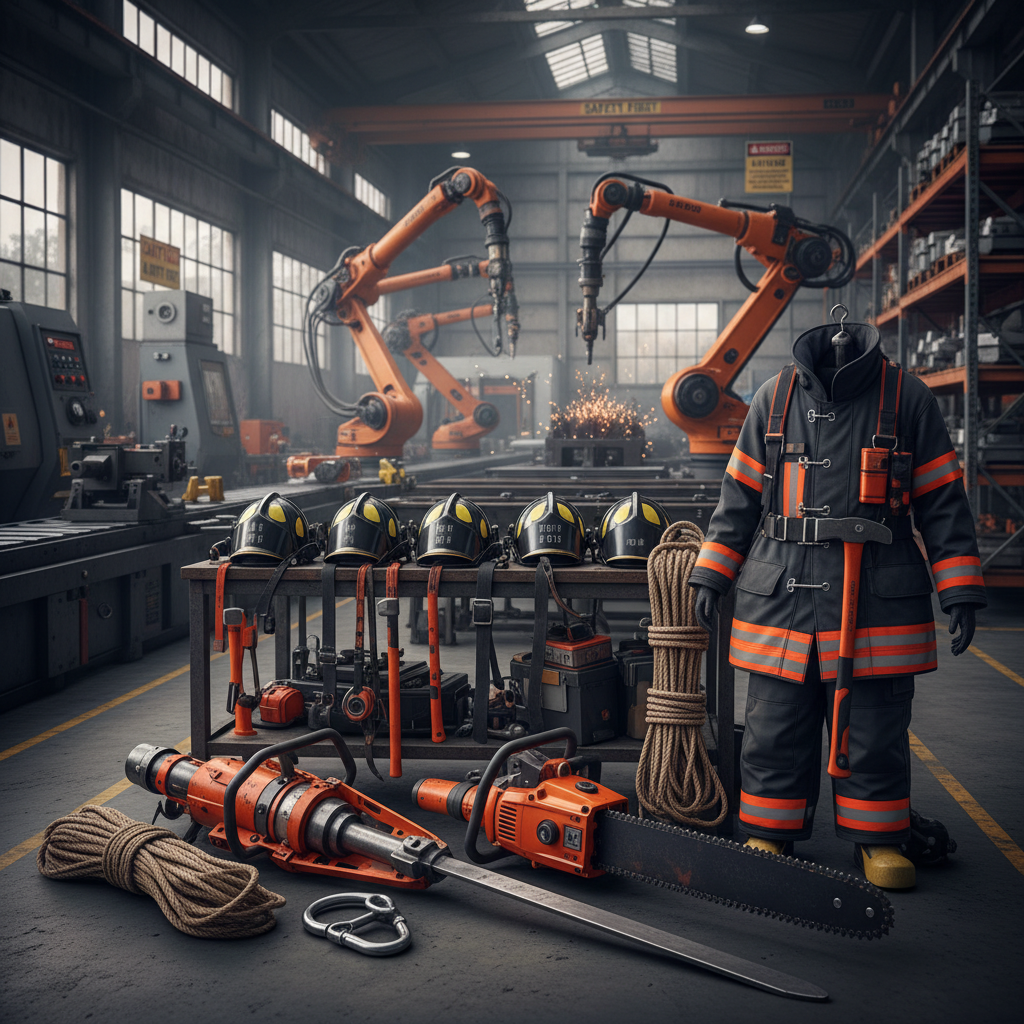
Essential Personal Protective Equipment (PPE)
At the core of firefighter safety is PPE. This includes turnout gear – a multi-layered system providing thermal protection, flame resistance, and water repellency. Helmets are crucial for head protection, while boots offer foot and ankle support and protection. Self-Contained Breathing Apparatus (SCBA) is essential for supplying breathable air in smoke-filled environments. Gloves provide hand protection against heat, abrasions, and chemicals. Properly fitted and maintained PPE is the first line of defense for firefighters.
Key PPE Components: Turnout gear, helmets, boots, SCBA, gloves, protective hoods.
Fire Suppression Tools: Controlling the Flames
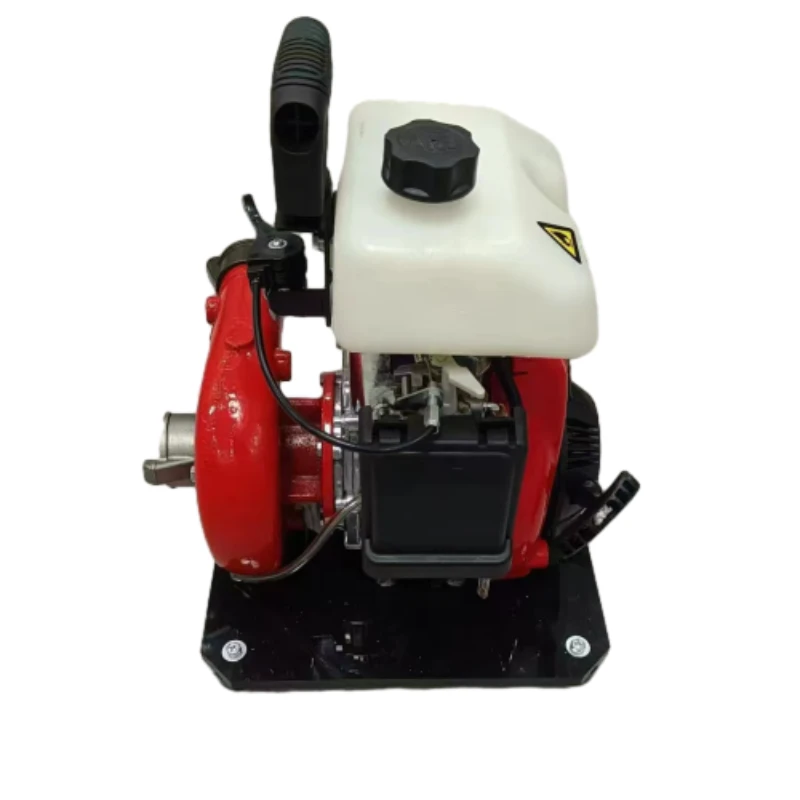
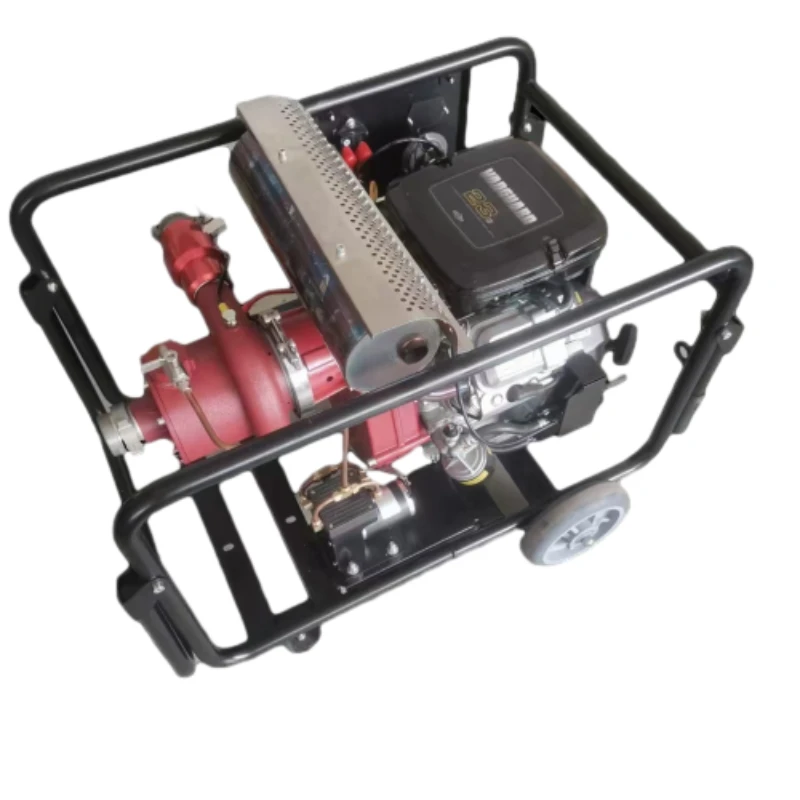
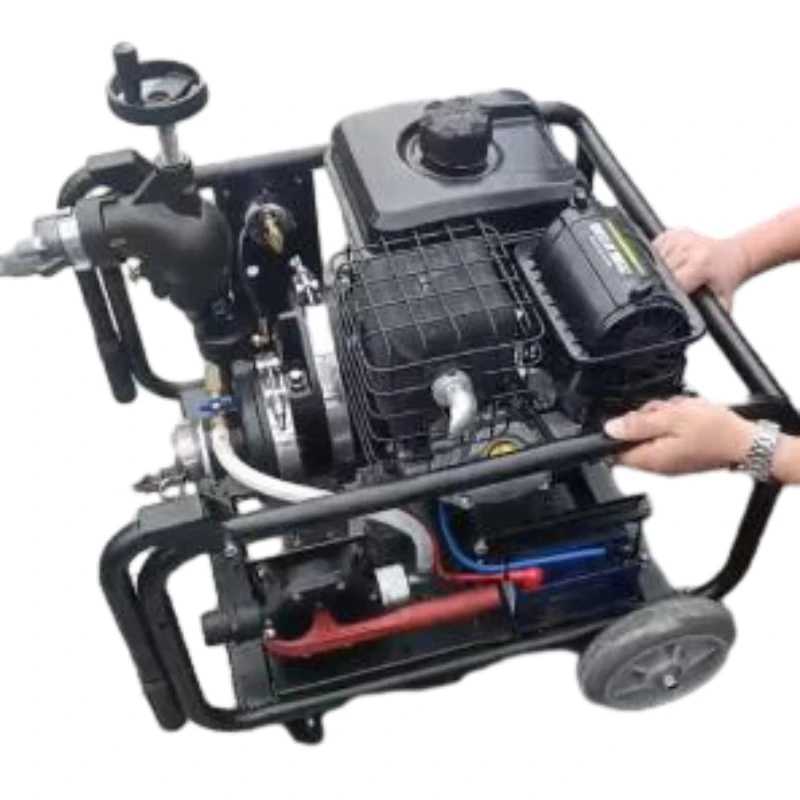
Once on scene, firefighters utilize various tools to suppress fires. Hoses and nozzles deliver water or foam, while hydrants provide a water source. Fire pumps increase water pressure for effective firefighting. Portable extinguishers are used for smaller fires. Foam concentrates are added to water to create a smothering agent, particularly effective on flammable liquid fires. Effective use of these tools requires training and coordination.
Rescue Tools: Saving Lives in Critical Situations
Firefighting often involves rescue operations. Hydraulic rescue tools, often called the "Jaws of Life," are used to extricate victims from vehicles. Ropes and harnesses enable firefighters to perform high-angle rescues. Thermal imaging cameras (TICs) help locate victims in smoke-filled environments. Search and rescue equipment, including specialized lighting and communication devices, is vital for finding and assisting those in need. Rapid and efficient rescue relies on specialized training and equipment.
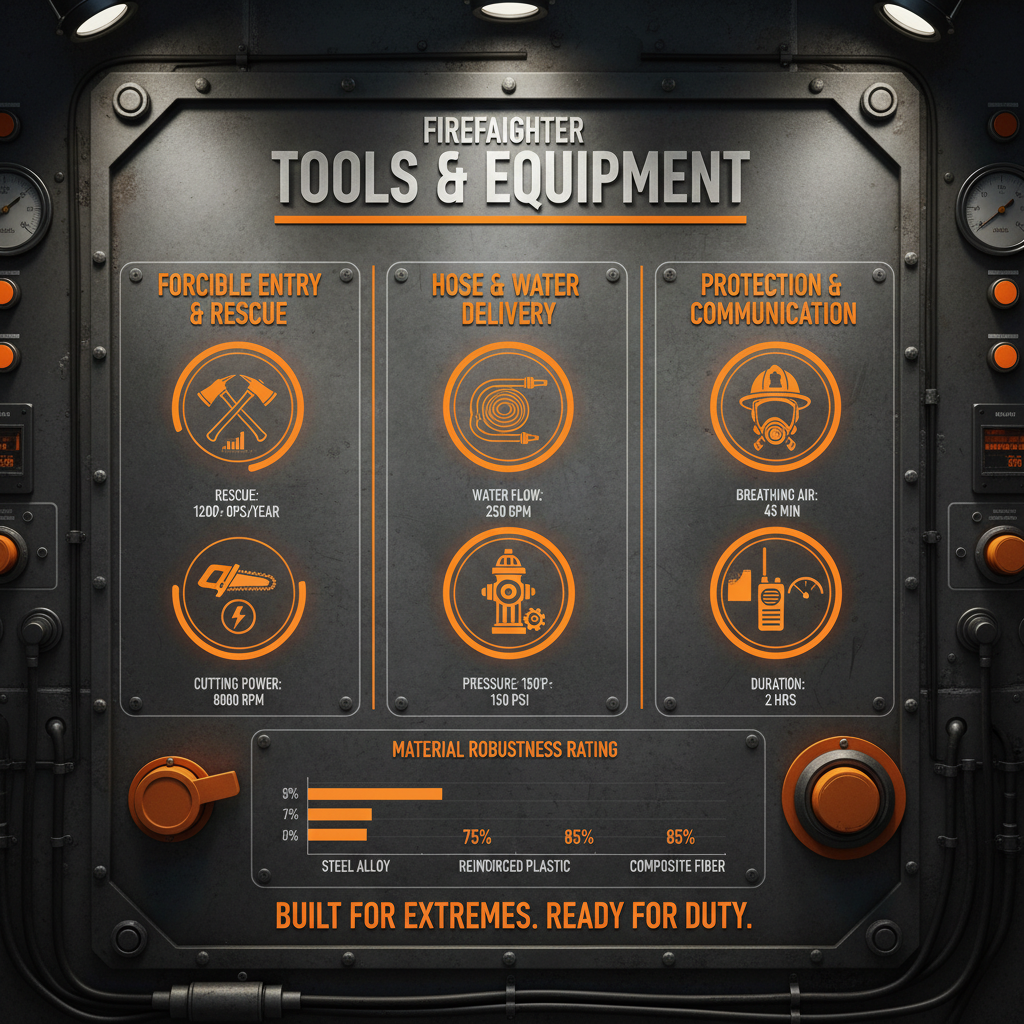
Firefighter Tools and Equipment Comparison
Selecting the right firefighter tools and equipment can be complex. Different scenarios demand different capabilities. Below is a comparison of some key tools:
Communication & Diagnostic Equipment
Effective communication is crucial during emergencies. Radios enable firefighters to stay connected, while specialized communication headsets provide clear communication in noisy environments. Diagnostic equipment, such as gas detectors, helps assess hazardous atmospheres. Drones are increasingly used for situational awareness, providing aerial views of incident scenes. Technological advancements are continually enhancing communication and diagnostic capabilities.
Conclusion: Investing in Firefighter Safety
Providing firefighters with the highest quality firefighter tools and equipment is an investment in safety and community protection. Regular maintenance, training, and upgrades are essential to ensure that equipment is reliable and effective. By prioritizing firefighter safety, we empower them to perform their critical duties and save lives.
Frequently Asked Questions (FAQs)
What is the typical lifespan of a fire hose?
The lifespan of a fire hose depends on its material, construction, and frequency of use. Generally, synthetic hoses can last 10-15 years with proper care, while rubber-lined hoses may last 5-10 years. Regular inspection for wear and tear, such as cuts, abrasions, and leaks, is crucial. Hoses should be tested annually to ensure they meet pressure requirements. Proper storage away from sunlight and extreme temperatures also extends their lifespan. Following manufacturer guidelines for cleaning and maintenance is essential.
How often should SCBA masks be replaced?
SCBA masks should be replaced according to the manufacturer's recommendations and after any impact or damage. Even without visible damage, masks should be replaced every 5-10 years, depending on usage and environmental conditions. The facepiece should be inspected regularly for cracks, tears, and deterioration of the sealing surfaces. Regular fit testing is essential to ensure a proper seal and adequate protection. Always refer to the SCBA manufacturer's guidelines for specific replacement schedules and inspection procedures.
What training is required to use hydraulic rescue tools?
Extensive training is required to safely and effectively operate hydraulic rescue tools. This training typically involves classroom instruction, hands-on practice, and scenario-based exercises. Firefighters must learn proper tool operation, stabilization techniques, cutting strategies, and victim extrication procedures. Courses often cover the physics of hydraulic tools, safety protocols, and the dangers of working around damaged vehicles. Certification is often required to demonstrate competency. Regular refresher training is also crucial to maintain skills and stay up-to-date on best practices.




 English
  Arabic
  Bengali
  China
China  French
  German
  Hausa
Hausa  Indonesian
  Italian
  Japanese
  Javanese
  Malay
Malay  Persian
  Portuguese
  Punjabi
  Russian
  Spanish
  Swahili
  Telugu
  Vietnamese