








Essential Firefighter Tools to Carry: A Comprehensive Guide
When responding to emergencies, firefighters rely on a carefully selected array of firefighter tools to carry to ensure safety and effective fire suppression. Choosing the right equipment is paramount, impacting not only the firefighter’s ability to perform their duties but also their well-being. This guide will explore the essential tools firefighters carry, categorized by function, and discuss factors influencing selection. Understanding these tools and their applications is crucial for both seasoned professionals and those new to the field. We will also highlight where to find high-quality equipment, such as at FFW Fire Safety.
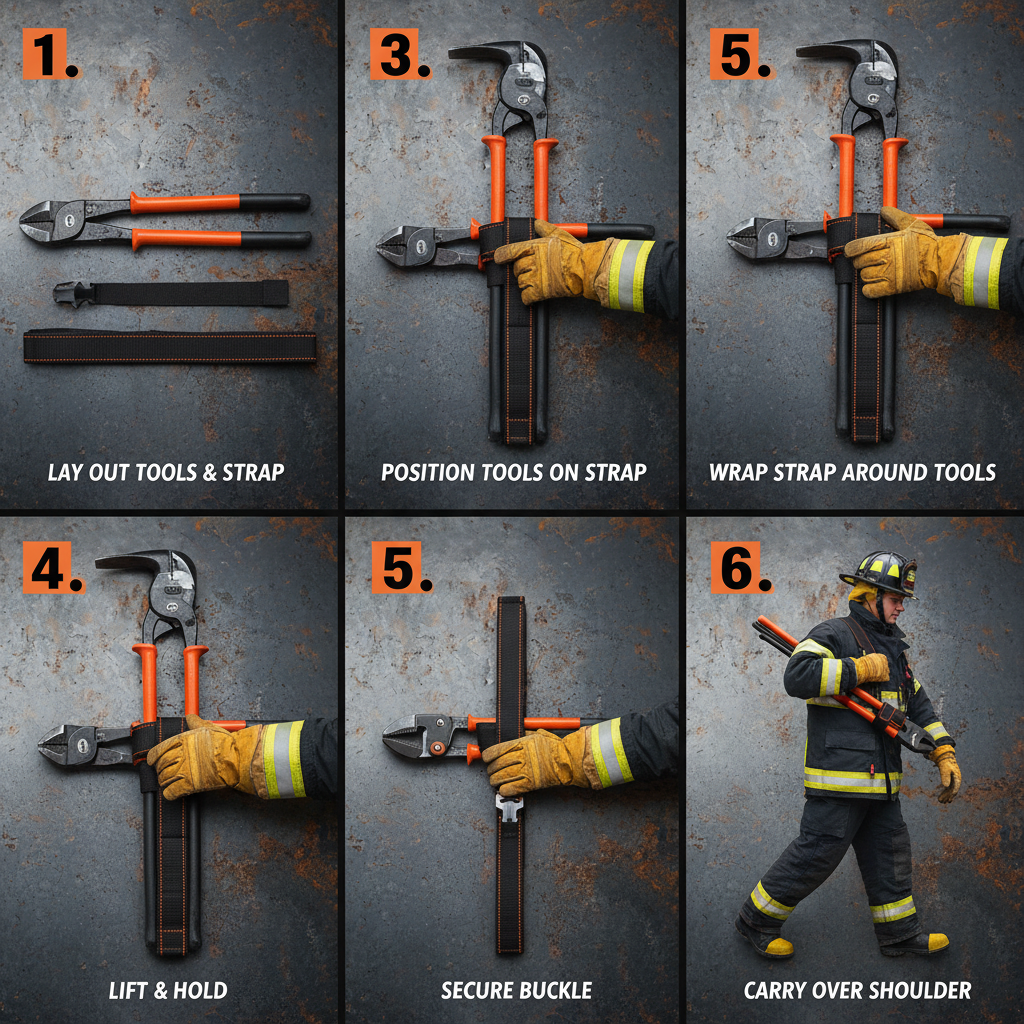
Core Fire Suppression Tools
At the heart of a firefighter's toolkit are the tools directly involved in extinguishing fires. These include nozzles, hoses, and portable fire extinguishers. Nozzles control the flow and pattern of water, ranging from straight streams for reach to fog patterns for better heat absorption. Hoses, available in various diameters and lengths, deliver the water supply. Portable extinguishers, often containing dry chemical or foam, provide a rapid response to small fires. The specific types and sizes of these tools carried will depend on the anticipated fire scenarios and the department’s standard operating procedures (SOPs). Proper maintenance of these tools is vital to guarantee reliability when needed most.
Key Considerations: Prioritize durable materials, ease of use, and compatibility with existing equipment. Regularly inspect and maintain tools to ensure optimal performance. Training is essential for proper application of each tool.
Forcible Entry Tools: Gaining Access
Gaining access to structures is often critical for rescue and fire suppression. Forcible entry tools enable firefighters to overcome locked doors, windows, and other barriers. These typically include halligan bars (a versatile prying and breaching tool), flathead axes, and sledgehammers. These tools require significant physical strength and training to use effectively and safely. Modern departments are also incorporating hydraulic rescue tools (often called the "Jaws of Life") for more complex breaching operations. These tools provide greater force and precision, reducing the risk of injury to both the firefighter and potential occupants.
Search and Rescue Tools: Prioritizing Life Safety
Search and rescue operations are paramount in firefighting. Essential tools for locating and assisting victims include thermal imaging cameras (TICs), rope, webbing, and portable lighting. TICs detect heat signatures, allowing firefighters to see through smoke and identify potential victims. Rope and webbing are used for creating lifelines and assisting in vertical rescue scenarios. Powerful flashlights and headlamps provide illumination in dark and smoky environments. Effective communication tools, such as radios, are also critical for coordinating search efforts.
Personal Protective Equipment (PPE) & Communication
While not directly used for fire suppression, PPE is arguably the most critical equipment a firefighter carries. This includes turnout gear (coat, pants, boots, and helmet), self-contained breathing apparatus (SCBA), gloves, and eye protection. SCBA provides breathable air in hazardous environments. Reliable communication is also essential; firefighters depend on radios to maintain contact with their team and incident command. Maintaining and properly utilizing PPE is vital to ensure safety and wellbeing.
Comparing Essential Firefighter Tools
Selecting the right tools involves balancing functionality, weight, and cost. Here’s a comparison of key items:
Conclusion: Equipping for Success
Investing in high-quality firefighter tools to carry is not merely an expense but a critical investment in the safety of firefighters and the communities they serve. Choosing the right tools, understanding their applications, and ensuring proper maintenance are essential for effective emergency response. Explore the extensive selection of reliable firefighting equipment available at FFW Fire Safety.
Frequently Asked Questions (FAQs)
What factors should firefighters consider when choosing a Halligan bar?
Firefighters should consider several factors when selecting a Halligan bar, including the type of construction they typically encounter, the size and weight of the tool, and the grip comfort. A Halligan bar with a slightly curved adze (the blade-like portion) is versatile for prying and separating door components. Weight is crucial; a heavier bar offers more force but can cause fatigue during extended operations. Ensure the grip is comfortable and provides a secure hold, even with gloved hands. High-quality Halligan bars are made from forged steel for durability and reliability. Investing in a reputable brand and considering specific needs ensures the tool will perform effectively in demanding situations.
How often should firefighter tools be inspected?
Firefighter tools should be inspected regularly – ideally before and after each use. Inspections should include checking for damage such as cracks, bends, or loose parts. Hoses should be inspected for leaks and abrasions. Nozzles should be checked for proper spray patterns. Forcible entry tools should be examined for signs of wear. A more thorough inspection should be conducted annually, documenting the condition of each tool and any necessary repairs or replacements. Maintaining a detailed inspection log is essential for accountability and ensuring equipment readiness.
What is the importance of thermal imaging cameras (TICs) in firefighting?
Thermal imaging cameras (TICs) are invaluable tools in firefighting, allowing firefighters to see heat signatures through smoke and darkness. This capability is critical for locating victims, identifying the source of the fire, and assessing structural stability. TICs can detect hidden fires and hotspots, preventing flare-ups. They also enable firefighters to navigate safely through hazardous environments, reducing the risk of disorientation or collapse. Regular training is essential for proper TIC operation and interpretation of thermal images. The use of TICs significantly enhances firefighter safety and effectiveness.
What is the best way to maintain SCBA equipment?
Maintaining SCBA equipment is crucial for firefighter safety. Regular inspections, leak tests, and cylinder hydrotesting are essential. Following the manufacturer's recommendations for cleaning, disinfection, and storage is also vital. Firefighters must be properly trained on the operation, maintenance, and limitations of their SCBA. A robust SCBA program includes detailed record-keeping of all maintenance and inspections. Any damaged or malfunctioning SCBA components should be immediately removed from service and repaired or replaced.





 English
  Arabic
  Bengali
  China
China  French
  German
  Hausa
Hausa  Indonesian
  Italian
  Japanese
  Javanese
  Malay
Malay  Persian
  Portuguese
  Punjabi
  Russian
  Spanish
  Swahili
  Telugu
  Vietnamese