








Understanding the Power of a Firefighter Sledgehammer
When facing emergencies, firefighters rely on specialized tools to overcome obstacles and save lives. Among these crucial implements, the firefighter sledgehammer stands out as a powerful and versatile asset. This article will delve into the significance of this tool, its applications, the materials used in its construction, and how to choose the right one for specific firefighting scenarios. Understanding the role of a firefighter sledgehammer is crucial for effective fireground operations.
The Primary Uses of a Firefighter Sledgehammer
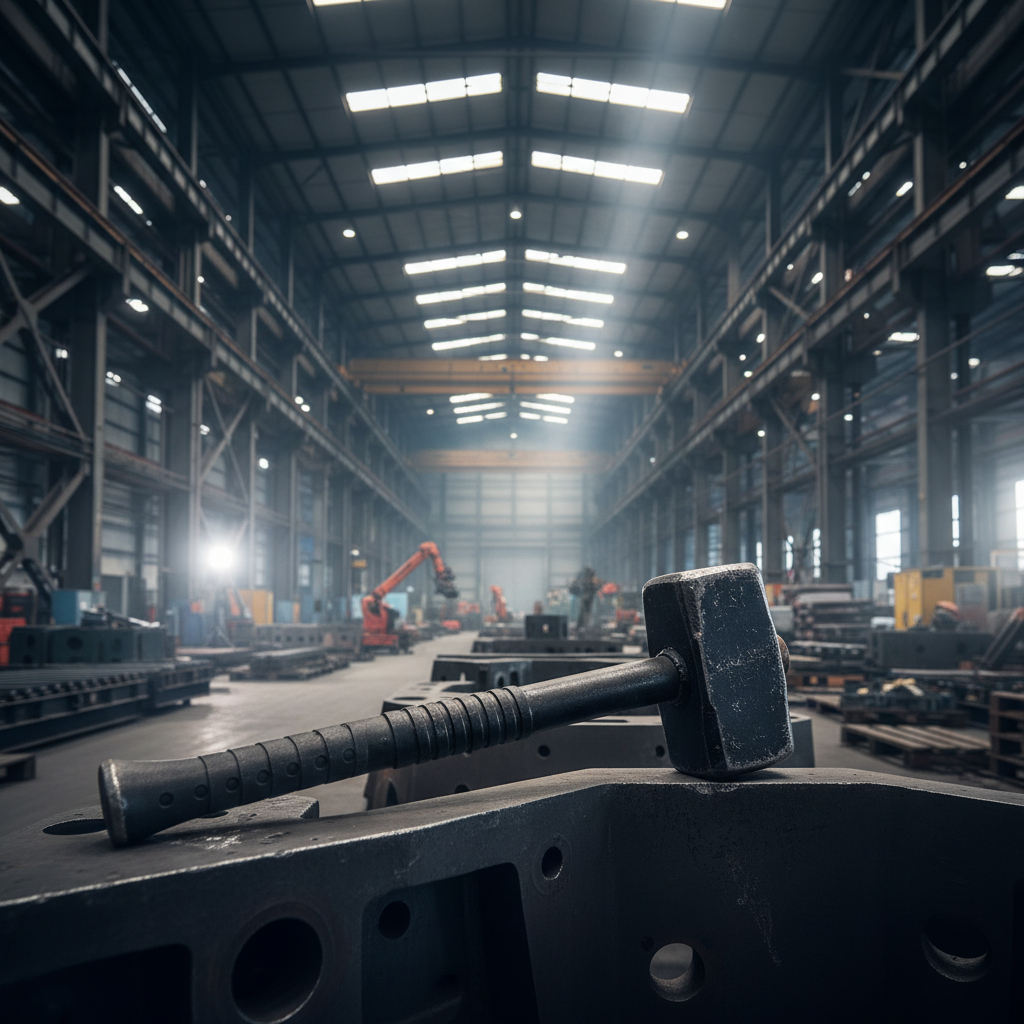
Firefighter sledges aren’t merely for demolition. They are indispensable for forcing doors, breaking windows, overcoming obstructions during search and rescue, and creating ventilation openings. The concentrated force delivered by the sledgehammer allows firefighters to quickly and effectively gain access to structures and improve firefighting conditions. Furthermore, they are often used to break up frozen hydrants and clear debris from roadways. A well-maintained sledgehammer is a crucial piece of a firefighter’s toolkit, providing the necessary power to tackle demanding situations. The proper use of a sledgehammer can drastically reduce response times and enhance safety.
Key Uses: Forcing entry, creating ventilation, overcoming obstructions, and breaking frozen hydrants.
Materials and Construction of Firefighter Sledges
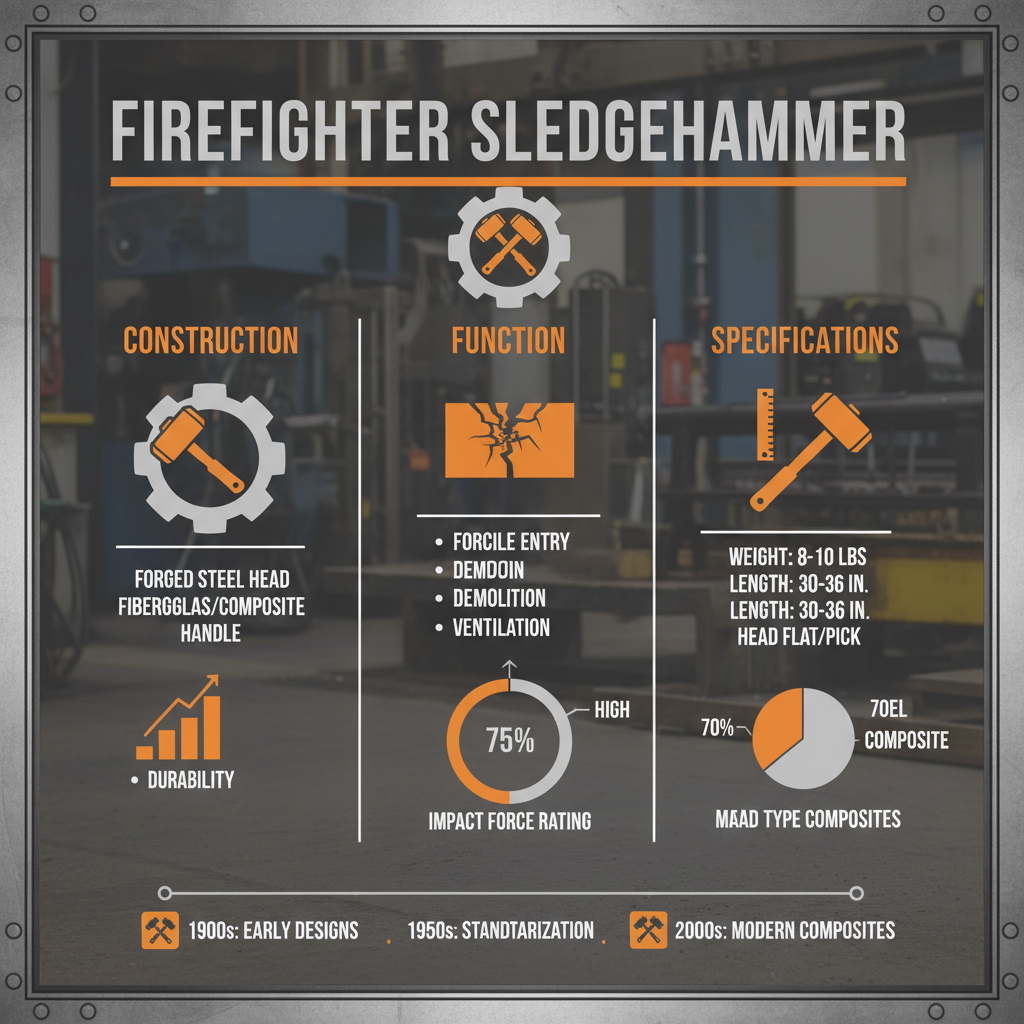
Firefighter sledges are typically constructed from high-strength steel, designed to withstand repeated impacts and harsh conditions. The head is often forged from a single piece of steel for maximum durability. Handles are commonly made from fiberglass or wood, offering a balance of strength, shock absorption, and grip. The head's weight and shape are carefully engineered to maximize striking power while minimizing the risk of rebound. A quality sledgehammer will feature a securely attached handle to prevent separation during use. Investing in a durable, well-constructed sledgehammer is vital for firefighter safety and effectiveness.
Material Breakdown:
• Head: Forged Steel
• Handle: Fiberglass or Wood
• Grip: Often rubberized for enhanced control
• Coating: Protective coating to resist corrosion
Choosing the Right Firefighter Sledgehammer: Weight & Length
Selecting the appropriate sledgehammer depends on the firefighter’s strength, the type of tasks they’ll be performing, and operational preferences. Common weights range from 8 to 12 pounds, with 10 pounds being a frequently chosen balance. Handle lengths typically range from 30 to 36 inches. Longer handles provide greater leverage but can be more difficult to maneuver in confined spaces. Shorter handles offer better control but require more force. It’s critical that firefighters are properly trained in the safe and effective use of any sledgehammer they are assigned. FFW Fire Safety offers a diverse selection of sledges to meet various needs.
Proper Maintenance and Safety Considerations
Regular maintenance is crucial for ensuring the longevity and safe operation of a firefighter sledgehammer. This includes cleaning the head and handle after each use, inspecting for cracks or damage, and ensuring the handle is securely attached. Firefighters should always wear appropriate personal protective equipment (PPE), including gloves and eye protection, when using a sledgehammer. Proper technique is paramount to avoid injury; training programs should emphasize safe swinging motions and target selection. A damaged sledgehammer should be removed from service immediately.
Conclusion: A Vital Tool for Fireground Success
The firefighter sledgehammer is an indispensable tool for modern fire departments. Its power, versatility, and reliability make it essential for a wide range of emergency operations. By understanding its applications, proper selection, and maintenance, firefighters can maximize its effectiveness and ensure their own safety. Investing in quality sledges and providing comprehensive training are crucial steps towards building a more prepared and resilient fire service.
Frequently Asked Questions (FAQs)
What is the typical lifespan of a firefighter sledgehammer?
The lifespan of a firefighter sledgehammer varies depending on usage and maintenance. With proper care, a high-quality sledgehammer can last for many years. However, regular inspections are vital. Look for cracks in the head, looseness in the handle, and any signs of metal fatigue. If any damage is detected, the sledgehammer should be removed from service immediately. Generally, a sledgehammer used frequently in demanding situations will need to be replaced more often than one used less frequently.
What safety precautions should be taken when using a sledgehammer?
Always wear appropriate personal protective equipment (PPE), including gloves, eye protection, and sturdy footwear. Ensure the surrounding area is clear of personnel before swinging the sledgehammer. Use a controlled swinging motion, focusing on the target. Avoid overswinging, which can lead to loss of control. Regularly inspect the sledgehammer for damage before use. Never use a damaged sledgehammer. Proper training is essential for safe and effective use.
How do I properly maintain a firefighter sledgehammer?
After each use, clean the head and handle with a wire brush to remove dirt and debris. Inspect the handle for looseness and tighten if necessary. Apply a light coat of oil to the head to prevent rust. Store the sledgehammer in a dry, secure location. Regularly inspect for cracks or damage and replace any worn or damaged parts. Following these simple maintenance steps will help prolong the life of your sledgehammer and ensure its safe operation.





 English
  Arabic
  Bengali
  China
China  French
  German
  Hausa
Hausa  Indonesian
  Italian
  Japanese
  Javanese
  Malay
Malay  Persian
  Portuguese
  Punjabi
  Russian
  Spanish
  Swahili
  Telugu
  Vietnamese