








Essential Firefighter Tools and Accessories
Firefighting is an inherently dangerous profession, requiring specialized equipment to protect firefighters and effectively combat fires. Having the right firefighter tools and accessories isn't just about meeting safety regulations – it's about ensuring a firefighter's ability to perform their duties safely and efficiently. From essential personal protective equipment (PPE) to advanced rescue tools, a comprehensive selection is critical. This article will explore the vital tools and accessories used by firefighters, discussing their importance, modern advancements, and how to select the right equipment for various scenarios. Proper gear can mean the difference between a successful rescue and a tragic outcome.
Core Personal Protective Equipment (PPE) for Firefighters
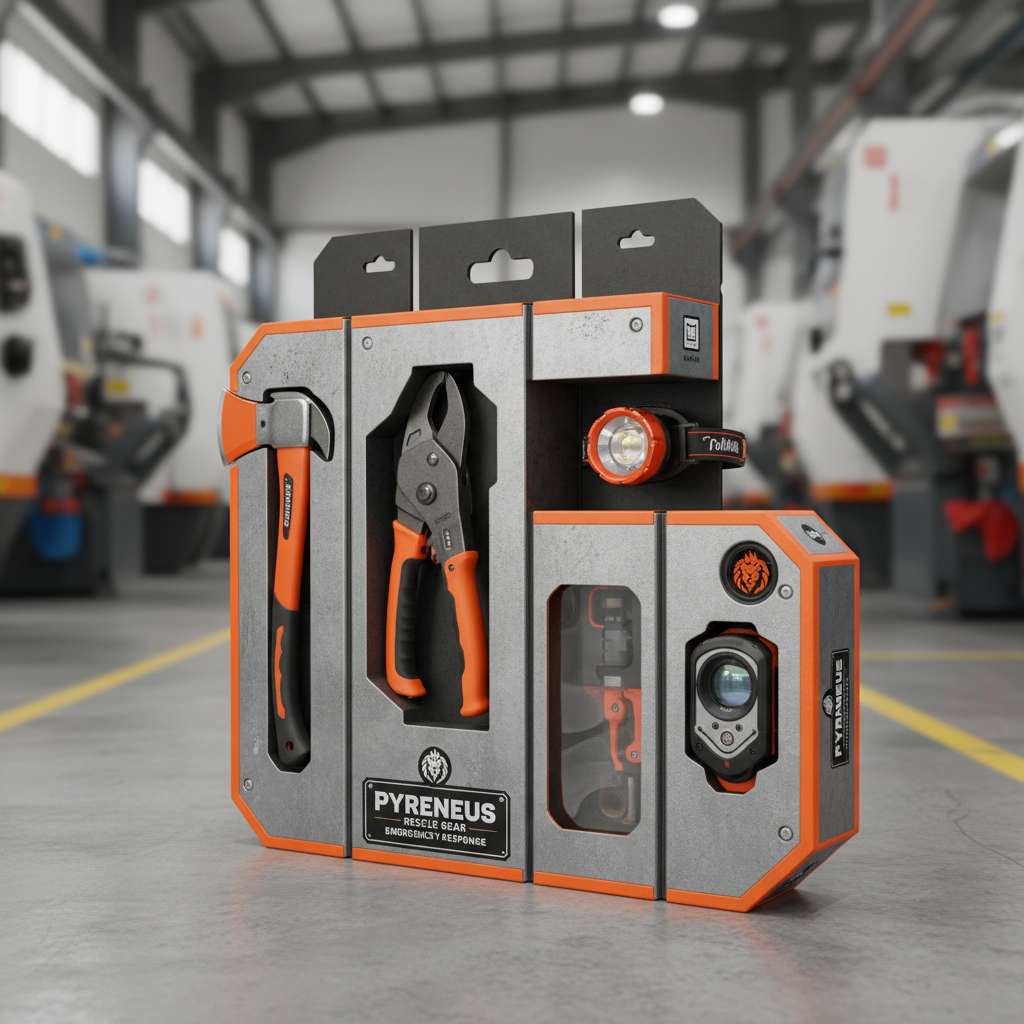
At the foundation of firefighter safety lies robust PPE. This includes the iconic turnout gear – coats and pants constructed from multiple layers of flame-resistant materials. Beneath this, firefighters wear moisture-wicking base layers to regulate body temperature. Essential PPE also encompasses helmets, gloves, boots, and eye protection. Modern turnout gear is increasingly incorporating advanced materials for improved thermal protection and comfort. Specifically, boots are designed to be electrically resistant and provide ankle support, while gloves must be dexterous enough to handle tools yet offer robust protection against heat and abrasions. The quality and proper fit of this equipment are non-negotiable.
Key Highlight: Modern turnout gear incorporates advanced materials for improved thermal protection, comfort and are increasingly lightweight to reduce fatigue.
Essential Hand Tools for Fireground Operations
Beyond PPE, firefighters rely on a variety of hand tools for various tasks. The flathead axe and pike pole are classics, used for forcible entry, ventilation, and overhaul. Halligan bars, also known as pry bars, are versatile tools for prying, twisting, and punching through obstacles. Spanners and wrenches are vital for controlling water flow. Each tool is designed for specific purposes and requires extensive training to use safely and effectively. Modern fire departments are also incorporating multi-tools that combine several functions into a single, compact device, streamlining operations.
Hand Tool Essentials:
• Flathead Axe: Forcible entry, ventilation.
• Pike Pole: Overhaul, checking for hot spots.
• Halligan Bar: Prying, twisting, punching.
• Spanners/Wrenches: Water flow control.
Advanced Rescue Tools: Hydraulic and Pneumatic Systems
When faced with complex rescue situations, firefighters turn to advanced hydraulic and pneumatic tools. “The Jaws of Life,” technically hydraulic rescue tools, are used to extricate victims from vehicle accidents by spreading, cutting, and lifting metal. Pneumatic tools, powered by compressed air, offer similar capabilities with greater speed and maneuverability. These tools require specialized training to operate safely and effectively, and maintenance is crucial to ensure their reliability. The availability of these tools significantly expands a fire department's rescue capabilities.
Communication and Monitoring: Critical Firefighter Tools
Effective communication is paramount on the fireground. Firefighters rely on two-way radios to maintain contact with incident command and fellow team members. Personal Alert Safety Systems (PASS) devices emit a loud alarm if a firefighter becomes motionless, indicating they may be in distress. Gas detectors monitor the atmosphere for hazardous levels of carbon monoxide, oxygen deficiency, and flammable gases. Thermal imaging cameras (TICs) allow firefighters to see through smoke and identify heat sources, aiding in search and rescue operations. These tools are essential for situational awareness and firefighter safety. You can explore a full range of these items at FFW Firesafety.
Choosing the Right Equipment: Quality, Standards, and Maintenance
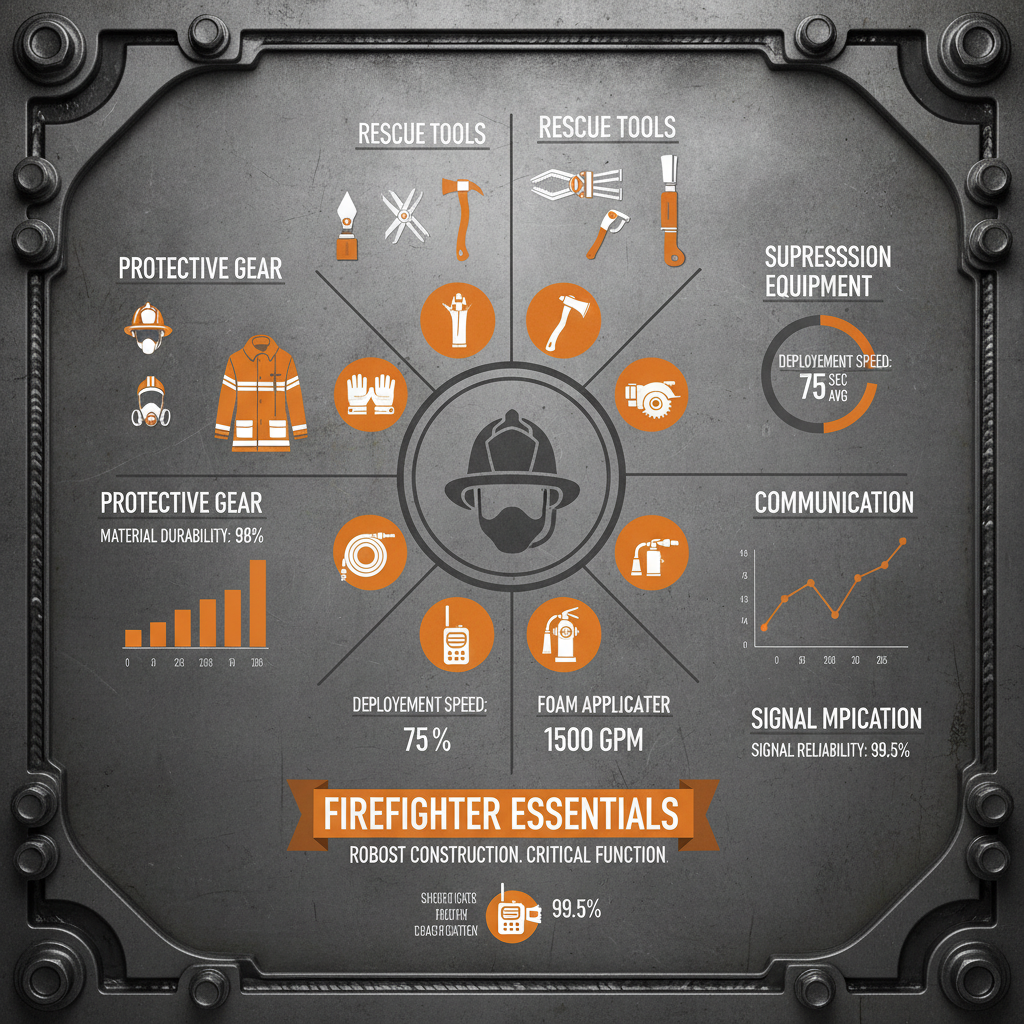
Selecting firefighter tools and accessories involves careful consideration of quality, adherence to safety standards (like NFPA), and ongoing maintenance. Equipment should be regularly inspected for damage or wear. Proper cleaning and storage are vital for extending the lifespan of tools. Fire departments should establish comprehensive maintenance programs to ensure all equipment is in optimal working condition. Investing in high-quality equipment from reputable manufacturers like FFW Firesafety may cost more upfront, but it can save lives and reduce long-term costs associated with repairs and replacements.
Conclusion: Equipping Firefighters for Success
Investing in the right firefighter tools and accessories is paramount for ensuring the safety and effectiveness of those who dedicate their lives to protecting our communities. By prioritizing quality, adherence to standards, and consistent maintenance, fire departments can equip their personnel with the tools they need to successfully navigate the challenges of the fireground. Don’t compromise on safety – choose reliable, durable equipment and prioritize ongoing training.
Frequently Asked Questions (FAQs)
What is the typical lifespan of a firefighter’s turnout gear?
Turnout gear typically has a lifespan of around 10 years with regular use, but this can vary based on the frequency of use, how well it’s maintained, and exposure to contaminants. NFPA standards recommend gear be decommissioned after 10 years, or sooner if it exhibits damage like delamination, tears, or compromised water repellency. Regular inspections and professional cleaning are crucial for maximizing the lifespan and ensuring continued protection. Factors like repeated exposure to harsh chemicals or high heat can significantly shorten the lifespan.
How often should firefighter tools be inspected?
Firefighter tools should be inspected before and after each use, and undergo a more thorough inspection at least annually, and ideally quarterly. This inspection should check for any damage, wear and tear, and ensure the tool is functioning correctly. Hydraulic tools require specific pressure testing and fluid level checks. All inspections should be documented, and any damaged or malfunctioning tools should be immediately removed from service. A standardized checklist helps ensure consistency in the inspection process.
What are the key features to look for when purchasing a thermal imaging camera (TIC)?
When selecting a TIC, consider image resolution, field of view, response time, and battery life. Higher resolution provides clearer images, especially in smoky conditions. A wider field of view allows firefighters to see more of their surroundings. Fast response time is crucial for quickly identifying heat sources. Durability, weight, and ease of use are also important factors. Consider the TIC's ability to store and download images for post-incident analysis. Ensure the TIC meets relevant safety standards.





 English
  Arabic
  Bengali
  China
China  French
  German
  Hausa
Hausa  Indonesian
  Italian
  Japanese
  Javanese
  Malay
Malay  Persian
  Portuguese
  Punjabi
  Russian
  Spanish
  Swahili
  Telugu
  Vietnamese