








Firefighter Through the Lock Tools: Ensuring Rapid Entry in Emergencies
When every second counts, firefighters rely on specialized firefighter through the lock tools to gain swift access to buildings and rescue individuals. These tools are crucial for overcoming security measures quickly and efficiently, minimizing response times and maximizing the chances of successful rescues. This article will explore the types of lock tools used by firefighters, their applications, and the importance of proper training in their usage. Understanding these tools and techniques is paramount for effective emergency response.
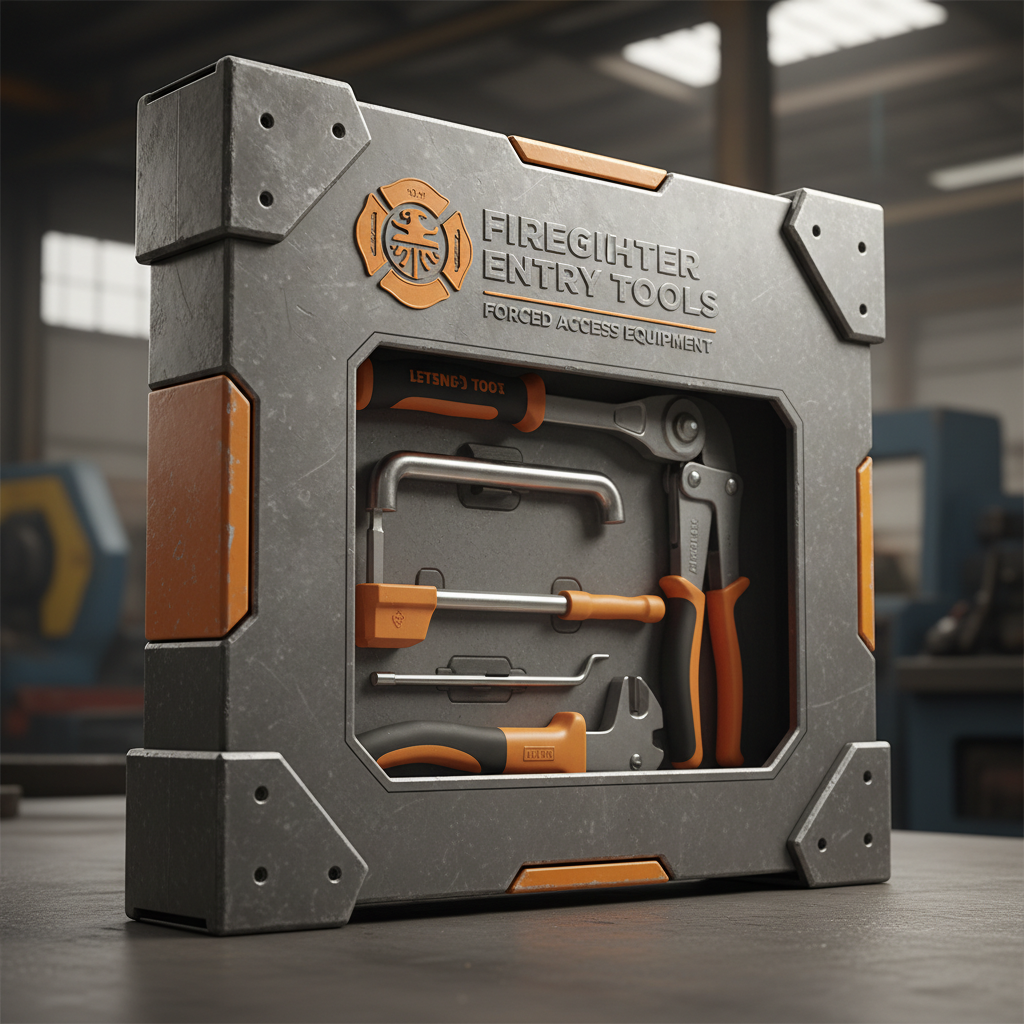
Understanding the Need for Lock Tools in Firefighting
Modern buildings often incorporate robust locking systems for security, which can significantly hinder firefighters' access during emergencies. Traditional methods of forcible entry, while effective, can be time-consuming and cause considerable damage. Firefighter through the lock tools are designed to bypass these security measures with minimal damage and maximum speed. This is particularly critical in situations where lives are at risk. These tools aren’t about defeating security, but about overcoming barriers to save lives. They allow for a targeted approach, preserving property while ensuring rapid entry.
Key Benefit: Rapid access to structures, reducing response times and increasing the probability of successful rescues.
Common Types of Firefighter Through the Lock Tools
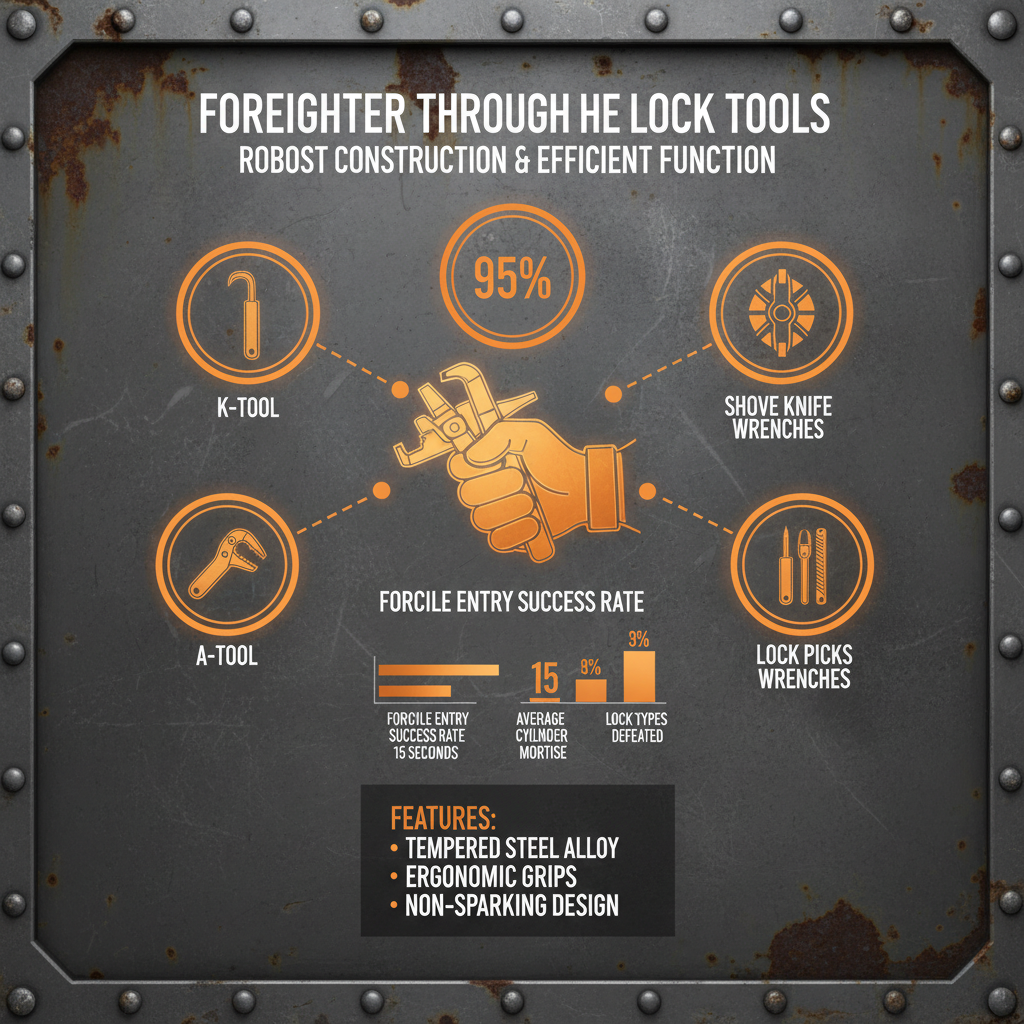
Firefighters employ a range of specialized tools to overcome various locking mechanisms. Some of the most common include: Halligan bars, bolt cutters, lock picks, key impressioning sets, and hydraulic breaching tools. Each tool is designed for a specific purpose and requires specialized training to operate effectively and safely. The selection of the appropriate tool depends on the type of lock encountered and the urgency of the situation. Proper maintenance and inspection of these tools are also vital to ensure their reliability.
Tool Categories:
• Forcible Entry Tools: Halligan bars, axes, rams
• Cutting Tools: Bolt cutters, rotary saws
• Manipulation Tools: Lock picks, key impressioning sets
Comparing Forcible Entry Tools: Halligan Bar vs. Bolt Cutters
The Halligan bar and bolt cutters represent two distinct approaches to gaining entry. A Halligan bar is a versatile prying and forcing tool used for a variety of tasks, including opening doors and windows. Bolt cutters, on the other hand, are specifically designed for cutting metal, such as padlocks and chains. The choice between these tools depends on the specific situation and the type of security measure encountered. Both require significant physical strength and proper technique.
The Importance of Training and Proficiency
Simply possessing firefighter through the lock tools is not enough. Firefighters must undergo rigorous training to learn the proper techniques for using these tools safely and effectively. This training should cover tool maintenance, hazard assessment, and the legal considerations surrounding forcible entry. Proficiency is achieved through repeated practice and realistic scenario training. Regular refresher courses are also essential to maintain skill levels and stay abreast of new tools and techniques.
Ensuring Ethical and Legal Compliance
Firefighters must be aware of the legal implications of forcible entry. While saving lives is the paramount concern, it’s vital to minimize property damage and adhere to all applicable laws and regulations. Documentation of forcible entry incidents is also essential. FFW Fire Safety provides comprehensive training programs to address these ethical and legal considerations, ensuring firefighters operate within the boundaries of the law while prioritizing life safety.
Conclusion: Empowering Firefighters for Rapid and Safe Entry
Investing in high-quality firefighter through the lock tools and providing comprehensive training are crucial for ensuring rapid and safe entry during emergencies. These tools, when used correctly, can significantly reduce response times and increase the chances of successful rescues. Prioritizing training, ethical conduct, and legal compliance is paramount for safeguarding both lives and property.
Frequently Asked Questions (FAQs)
What is the recommended frequency for firefighter lock tool training?
Annual refresher training is highly recommended for all firefighters who utilize lock tools. However, more frequent training sessions are beneficial, especially when new tools or techniques are introduced. Regular drills and scenario-based training help maintain proficiency and reinforce best practices. Additionally, departments should provide ongoing opportunities for firefighters to practice their skills in a controlled environment. The ideal training schedule will depend on the department's call volume and the complexity of the situations encountered.
What safety precautions should firefighters take when using lock tools?
Safety is paramount. Firefighters should always wear appropriate personal protective equipment (PPE), including gloves, eye protection, and helmets. Before attempting forcible entry, assess the door and frame for structural weaknesses. Communicate clearly with team members and maintain situational awareness. Avoid placing hands or fingers in the path of the tool. Inspect tools before and after each use for damage. Report any malfunctioning tools immediately.
Where can firefighters obtain certified lock tool training?
FFW Fire Safety offers nationally recognized, certified training programs for firefighter lock tools. These programs cover various tools and techniques, ensuring firefighters are well-prepared to handle a wide range of forcible entry scenarios. Many state fire academies and professional organizations also provide lock tool training courses. Look for programs that meet or exceed the requirements of NFPA standards.
How often should lock tools be inspected and maintained?
Lock tools should be inspected before and after each use for any signs of damage, wear, or malfunction. Regularly clean and lubricate tools to prevent corrosion and ensure smooth operation. Sharpen cutting edges as needed. Damaged or worn tools should be removed from service immediately and replaced or repaired by a qualified technician. Maintain a detailed inventory of all lock tools and track their maintenance history.






 English
  Arabic
  Bengali
  China
China  French
  German
  Hausa
Hausa  Indonesian
  Italian
  Japanese
  Javanese
  Malay
Malay  Persian
  Portuguese
  Punjabi
  Russian
  Spanish
  Swahili
  Telugu
  Vietnamese