








Firefighter Tool Identification: A Comprehensive Guide
Knowing your tools is paramount when facing the challenges of a fireground. Accurate firefighter tool identification can mean the difference between a successful rescue and a dangerous situation. This article provides a detailed overview of essential firefighting tools, their uses, and how to properly identify them. We'll cover everything from forcible entry tools to ventilation equipment, ensuring you have the knowledge to operate effectively and safely. Understanding these tools is a cornerstone of effective firefighting.
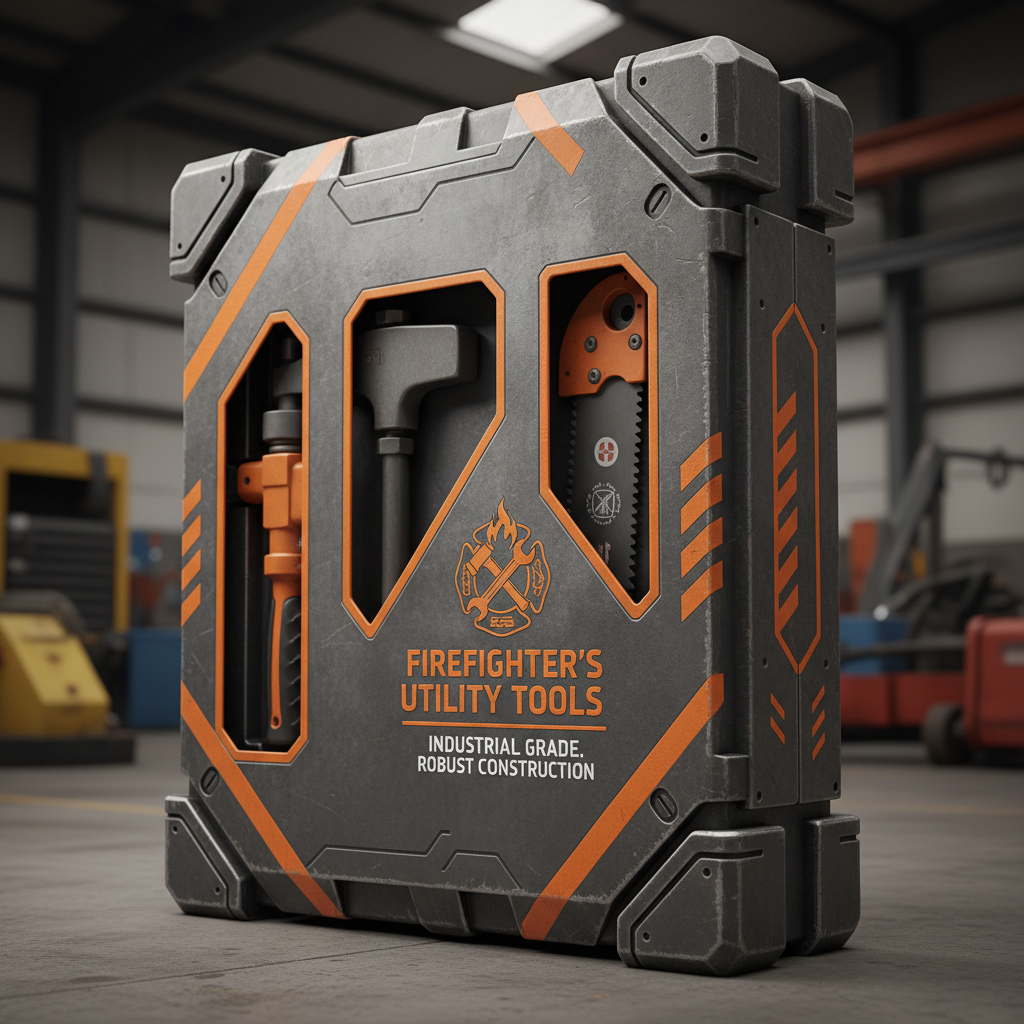
Essential Forcible Entry Tools
Forcible entry is often the first step in gaining access to a structure. Key tools in this category include halligan bars, flathead axes, and bolt cutters. The halligan bar is a versatile tool used for prying, twisting, and striking. A flathead axe provides cutting and breaching capabilities, while bolt cutters are crucial for quickly disabling padlocks and chains. Proper maintenance of these tools – keeping blades sharp and handles secure – is vital for optimal performance and firefighter safety. FFW Firesafety provides high-quality forcible entry tools.
Key Highlights: Halligan bars are known for their multi-purpose functionality, flathead axes require regular sharpening, and bolt cutters need consistent lubrication for smooth operation.
Ventilation Tools and Their Applications
Effective ventilation removes smoke and heat, improving visibility and reducing the risk of flashover. Common ventilation tools include roof hooks, pike poles, and powered ventilation fans. Roof hooks allow firefighters to safely pull ceiling material, creating ventilation openings. Pike poles are used to create small openings or to break windows. Powered ventilation fans forcefully exhaust smoke, creating a positive pressure environment. Understanding the different types of ventilation – natural, positive pressure, and negative pressure – is crucial for choosing the appropriate tool and technique.
Ventilation Benefits:
• Improves visibility during firefighting operations
• Reduces the risk of flashover
• Removes toxic smoke and gases
• Creates a safer environment for victims and firefighters
Firefighter Tool Identification: A Comparison Chart
Distinguishing between similar tools is critical. This table highlights key differences between common firefighting tools.
Specialized Rescue Tools: Hydraulic Rescue Tools
Hydraulic rescue tools, often called the "Jaws of Life," are used to extricate victims from vehicles or collapsed structures. These tools include spreaders, cutters, and rams. Spreaders create space by pushing objects apart. Cutters slice through metal. Rams deliver forceful pushing action. These tools require specialized training to operate safely and effectively. FFW Firesafety offers a full range of hydraulic rescue equipment.
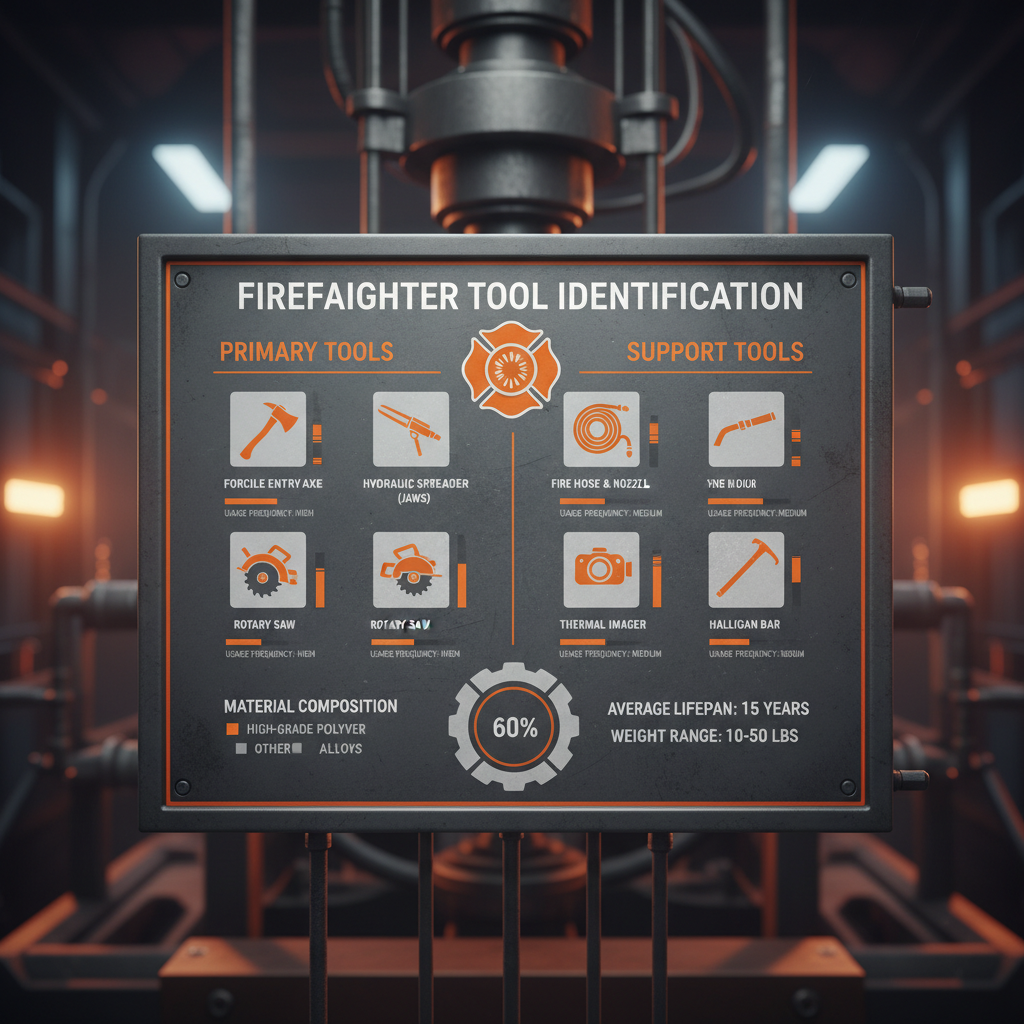
Maintaining Tool Readiness: Inspection and Care
Regular inspection and maintenance are crucial for ensuring tool reliability. This includes checking for damage, sharpness, and proper operation. Blades should be kept sharp, handles should be secure, and hydraulic fluids should be at appropriate levels. Proper cleaning and storage will also extend the lifespan of these valuable tools. A well-maintained tool is a safe tool. Consult manufacturer guidelines for specific maintenance recommendations.
Conclusion: Prioritizing Tool Knowledge and Maintenance
Mastering firefighter tool identification and diligently maintaining your equipment are essential components of a safe and effective firefighting strategy. Investing in high-quality tools and providing ongoing training empowers firefighters to respond confidently to any emergency. Remember, preparedness saves lives.
Frequently Asked Questions (FAQs)
What is the best way to learn firefighter tool identification?
Hands-on training is the most effective method. Participate in drills, practice sessions, and simulations where you can physically handle and use the tools. Supplement this with classroom instruction, online resources, and detailed tool manuals. Regular refresher courses are also vital to maintain proficiency. The more you use the tools, the better you'll understand their capabilities and limitations. Resources from FFW Firesafety can also be beneficial.
How often should firefighting tools be inspected?
Firefighting tools should be inspected before and after each use. This includes a visual check for damage, proper functioning of moving parts, and ensuring all components are securely fastened. A more thorough inspection should be conducted at least annually, and documented according to department protocols. Any damaged or malfunctioning tools should be immediately removed from service and repaired or replaced.
What are the risks of using damaged firefighting tools?
Using damaged tools poses significant safety risks. A broken handle on an axe could cause injury, a malfunctioning hydraulic spreader could fail during a rescue, and a dull blade could hinder effective ventilation. These failures can not only endanger firefighters but also compromise the safety of victims. Regular inspection and maintenance are essential to prevent these dangerous scenarios.






 English
  Arabic
  Bengali
  China
China  French
  German
  Hausa
Hausa  Indonesian
  Italian
  Japanese
  Javanese
  Malay
Malay  Persian
  Portuguese
  Punjabi
  Russian
  Spanish
  Swahili
  Telugu
  Vietnamese