








Understanding the Water Mist Fire Fighting System: Why It Matters
Fire safety has evolved tremendously in industrial, commercial, and even residential sectors. Among the innovations gaining traction is the water mist fire fighting system. At first glance, you might think: “Isn't water just water?” But this system cleverly transforms tiny water droplets into a powerful firefighting tool. Its global significance is growing, especially as urban environments become denser and industries demand efficient, eco-friendly safety solutions.
From reducing water damage to improving fire suppression speed, understanding water mist technology really matters — not only for safety professionals but for anyone concerned about protecting assets and lives worldwide.
Global Context: Rising Demand for Smarter Fire Safety
According to the United Nations Office for Disaster Risk Reduction (UNDRR), fires cause thousands of deaths and billions in losses yearly, especially in rapidly urbanizing regions. Traditional sprinkler systems often involve large water volumes that sometimes worsen water damage and may be slow to respond to certain fire types. Moreover, ISO standards are increasingly encouraging innovative firefighting methods that optimize resource use.
The water mist fire fighting system answers this need by using ultra-fine water droplets to suppress fires more effectively with less water and less collateral damage. For industries ranging from petrochemical plants to museums preserving priceless artifacts, this is huge.
What Exactly Is a Water Mist Fire Fighting System?
Put simply, it’s a fire suppression system that sprays tiny water droplets — typically less than 100 micrometers in diameter — directly onto flames or hot surfaces. This fog of fine water droplets works faster and with less water than traditional sprinklers because these droplets absorb heat rapidly, knocking down fires swiftly, while also displacing oxygen near the flame.
This makes it a favorite in environments where water damage must be minimized, or where fire risks come with sensitive electronics and equipment—think data centers, hospitals, or historic sites.
Key Features of Water Mist Systems
1. Droplet Size and Distribution
The magic lies in the mist: droplets are so fine they evaporate quickly, absorbing heat more efficiently. Sophisticated nozzles create this fine mist, enabling quicker fire knockdown and reduced water use.
2. Adaptability to Different Fire Classes
Whether dealing with class A (solids), B (flammable liquids), or even class C (electrical fires), water mist systems can be engineered to handle varied fire types effectively.
3. System Pressure and Pump Types
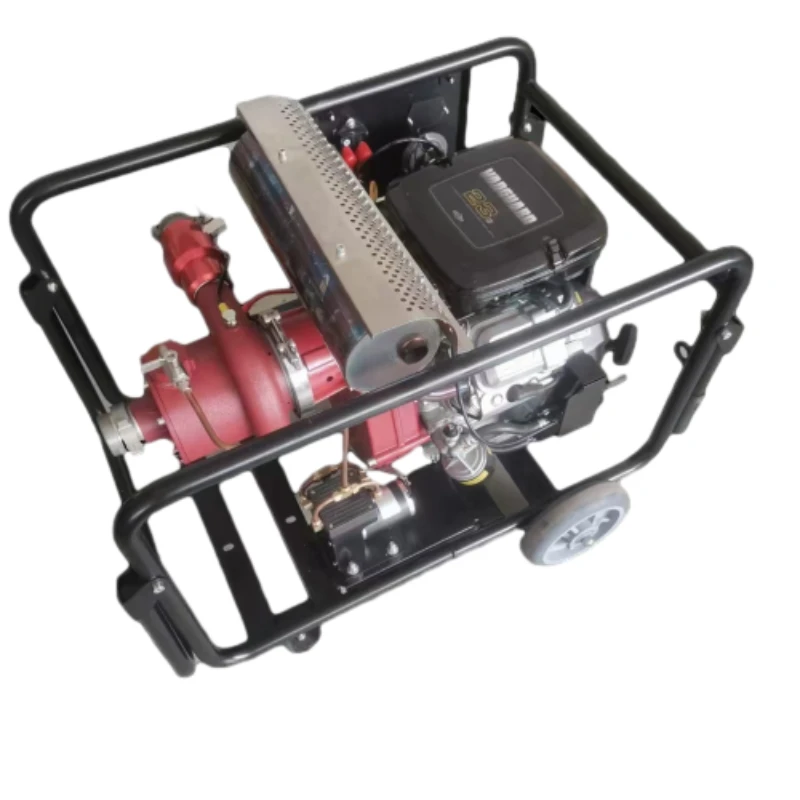
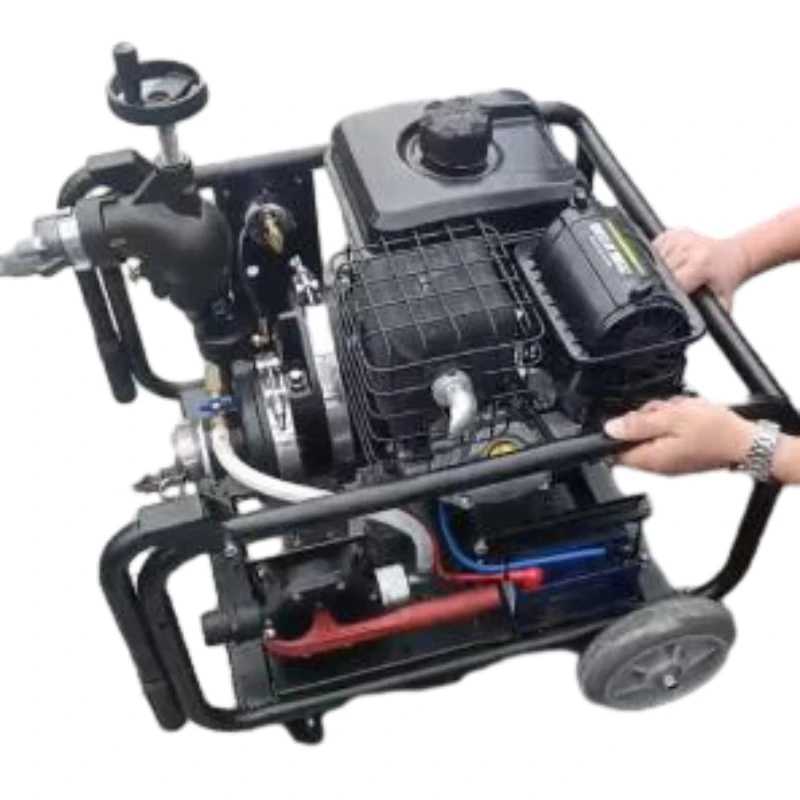
These systems often operate under high pressure—sometimes up to 140 bar—to propel the mist effectively across the fire zone. Depending on scale, pumps can be electric or diesel-driven.
4. Integration and Automation
Modern water mist setups typically integrate seamlessly with building automation and fire alarm systems, enabling rapid, often automatic deployment.
Mini takeaway:
The beauty of water mist systems is in their precision engineering — marrying physics to practical firefighting with water droplets so small they pack a big punch.
Applications Around the World: Who’s Using Water Mist, and Where?
You’ll find water mist fire fighting systems in ports across Europe, where large vessels dock close to storage facilities holding flammable goods. Asian mega-cities, constrained by space and water resources, also use them in high-rise buildings. The petrochemical industry, especially in the Gulf region, relies on water mist technology for rapid flare suppression. Even in disaster relief operations, compact water mist units help contain fires in makeshift shelters or remote sites.
For example, in Scandinavia, museums have installed water mist systems precisely because they limit water use — vital when preserving old manuscripts and artworks. And interestingly enough, in warehouses with high racks, these systems can quickly suppress fires without dousing all the stored goods in water damage.
Advantages and Long-Term Value
Why do many fire safety engineers now prefer water mist over traditional sprinklers?
- Water Efficiency: Uses up to 90% less water — means less damage and reduced cleanup costs.
- Fast Fire Suppression: Smaller droplets absorb heat quickly, knocking down fires in crucial early minutes.
- Eco-Friendly: Less water consumption aligns with sustainability goals and reduces environmental footprint.
- Versatile: Suitable for complex environments where traditional sprinklers might fail or cause problems.
Beyond practicality, it offers peace of mind, innovation trust, and a layer of dignity — protecting assets without collateral damage. That’s a win-win.
Water Mist Fire Fighting System Specification Table
| Specification | Typical Values | Remarks |
|---|---|---|
| Droplet Diameter | 10–100 micrometers | Depends on nozzle design |
| Operating Pressure | 70–140 bar | High pressure needed for fine mist |
| Water Consumption | 2–5 liters per minute per nozzle | Much lower than sprinklers |
| Pump Type | Electric/Diesel | Based on application scale |
| Common Applications | Data centers, museums, marine vessels, petrochemical plants | Highly versatile |
Vendor Comparison: Choosing the Right Water Mist System
| Vendor | Pressure Range (bar) | Product Certifications | Suitable Applications | Estimated Cost Level |
|---|---|---|---|---|
| AquaMist Solutions | 80–120 | UL, FM Approval | Museums, Offices, Data Centers | Medium |
| FireFog Technologies | 70–140 | ISO 9001, CE Mark | Marine, Petrochemical, Warehouses | High |
| EcoSpray Fire Systems | 75–110 | UL, FM, EN 14972 | Industrial, Residential, Retail | Medium-Low |
Looking Ahead: Trends and Innovations in Water Mist Systems
Something exciting is happening in this space: digital transformation meets firefighting hydraulics. We're seeing smarter sensors that adapt droplet size and spray intensity on the fly. Coupled with IoT integration, real-time fire threat assessments notify operators before full deployment.
Green energy considerations are also pushing manufacturers to build low-power pumps and use sustainable materials—making these systems not only efficient but kinder to the planet.
Challenges & Practical Solutions
Like any tech, water mist systems have their quirks. Pressure maintenance can be tricky, and not every nozzle is created equal. Plus, for large-scale facilities, costs can ramp up initially, which sometimes slows adoption.
But with modular system designs, interoperability standards, and innovative pressure monitoring, many operators find it easier than ever to enjoy the benefits without headaches. And frankly, the savings from less water damage and quicker fire control often outweigh early investments.
FAQ: Quick Answers About Water Mist Fire Fighting Systems
- Q: How does a water mist fire fighting system compare to traditional sprinklers?
- A: Water mist systems use much smaller droplets, which evaporate faster and absorb heat more effectively, suppressing fires quicker and using significantly less water, reducing damage and cleanup time.
- Q: Are water mist systems suitable for electrical fires?
- A: Yes. Their fine mist cools without conducting electricity as heavily as large water flows, making them safer for use around sensitive electrical equipment.
- Q: Can existing sprinkler systems be retrofitted to water mist?
- A: Often, yes. Many systems allow retrofitting with specialized nozzles and upgraded pumps, but always consult a certified professional to assess infrastructure compatibility.
- Q: What maintenance is required for water mist systems?
- A: Routine inspections ensure nozzle integrity, pump pressure compliance, and sensor functionality. Maintenance schedules are generally similar to sprinklers but may also include high-pressure pump checks.
Wrapping Up: Why Water Mist Matters for the Future
In real terms, the water mist fire fighting system is not just a fad but a meaningful leap in fire safety tech — one that blends science, engineering, and sustainability. It respects property, conserves precious resources, and above all, protects lives.
If you’re considering upgrading your fire safety infrastructure or just curious about emerging technologies, this is one to keep on your radar. Visit our site and explore tailored solutions designed with future-ready features.




 English
  Arabic
  Bengali
  China
China  French
  German
  Hausa
Hausa  Indonesian
  Italian
  Japanese
  Javanese
  Malay
Malay  Persian
  Portuguese
  Punjabi
  Russian
  Spanish
  Swahili
  Telugu
  Vietnamese