








What is a Water Mist System for Transformer and Why Should You Care?
If you're involved in industrial operations or electrical infrastructure management, chances are you've heard of water mist system for transformer — but do you really know why it’s gaining momentum worldwide? In short: it’s a safety game-changer. Transformers are the backbone of power distribution, running behind the scenes to keep our homes, offices, and hospitals humming. Yet, transformer fires aren’t just rare disasters; they’re expensive, disruptive, and potentially catastrophic.
Globally, industry experts and safety regulators increasingly view effectively managing transformer fire risks as a key priority, especially with aging grids and rising environmental stressors. Water mist fire protection offers a precise, efficient way to suppress flames and cool equipment, minimizing damage without the mess or electrical hazards of traditional sprinklers. Understanding this system isn’t just about compliance; it’s about preserving infrastructure, reducing downtime, and yes—preventing tragedy.
Why Water Mist Systems for Transformers Matter Globally
The numbers tell a compelling story. According to the International Electrotechnical Commission (IEC), fires in electrical equipment constitute a significant portion of industrial fire incidents worldwide. Plus, organizations like the UN and ISO cite that energy sector downtime from fire damage drains billions annually from economies. Transformational technologies, such as water mist systems, answer a call for safer, more sustainable fire suppression methods that align with global sustainability and safety goals.
However, the big challenge remains: how do we protect sensitive transformer components—often housed in confined, high-voltage spaces—without introducing further hazards? Enter water mist systems for transformers, designed specifically to tackle this puzzle. They’re compact, fast-acting, and much less likely to cause electrical shorts compared to traditional sprinkler systems.
Defining the Water Mist System for Transformer
Put simply, a water mist system for transformers uses ultra-fine water droplets—microscopic mists—to extinguish fires and cool hotspots effectively around electrical transformers. Unlike conventional sprinklers, these systems atomize water into tiny droplets that rapidly absorb heat and suffocate flames by lowering oxygen levels locally. That means better protection with less water, less damage, and faster recovery times.
This technology meets the growing industrial need for fire safety solutions that fit the modern world’s compact designs and environmental concerns. Whether in power plants, substations, or mobile transformer units, water mist systems are increasingly the go-to for addressing fire risks sensibly and intelligently.
Core Components That Make It Tick
1. Fine Atomization Technology
The heart of the system lies in nozzles that produce droplets often smaller than 100 microns. This super-fine mist quickly turns fire into a controlled situation by absorbing enormous heat rapidly, which is critical for transformers that can generate intense localized heat during faults or arcs.
2. Fast Detection & Activation
Modern systems are often paired with heat or flame detectors tailored to transformer environments. Speed is key: the faster the mist deploys, the less damage and downtime to worry about. Many units come with automatic triggers connected to operational monitoring systems.
3. Corrosion-Resistant Materials
Because transformers and their environments can be harsh, system components are usually made from stainless steel or treated with coatings to prevent corrosion—vital for reliable, long-term operation.
4. Compact, Modular Design
Space inside transformer vaults or enclosures can be quite tight. The water mist system is typically designed to fit in small footprints and scalable to mounting preferences, facilitating easier installation and maintenance without significant infrastructure modifications.
5. Water Supply & Storage Solutions
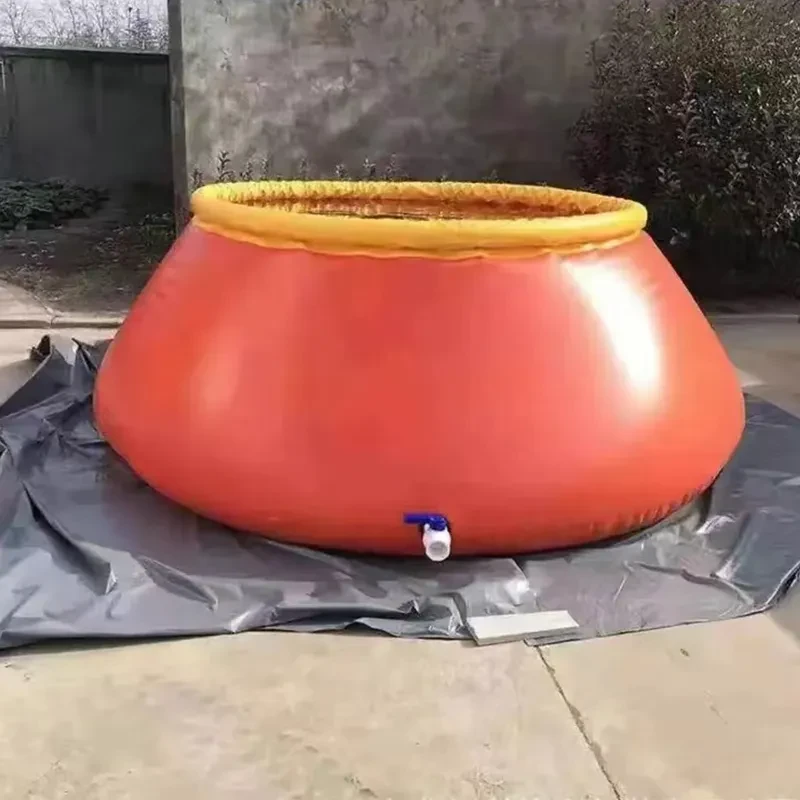
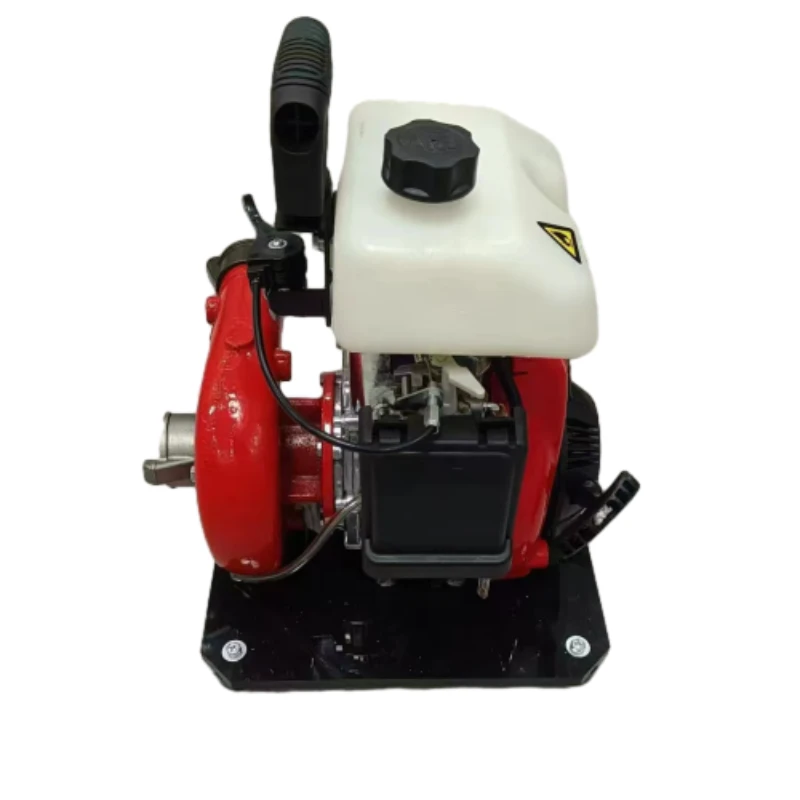
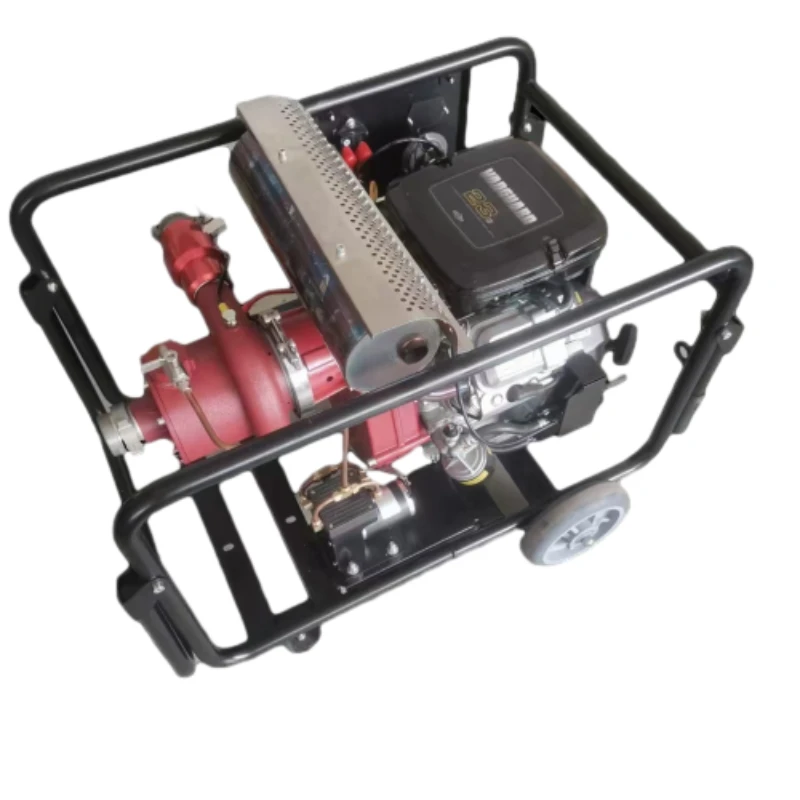
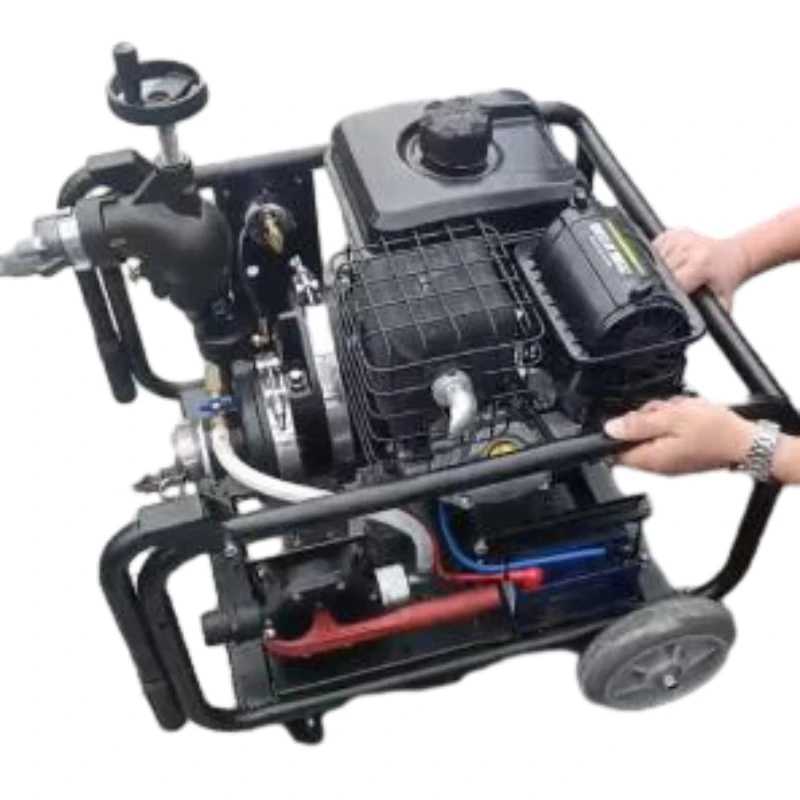
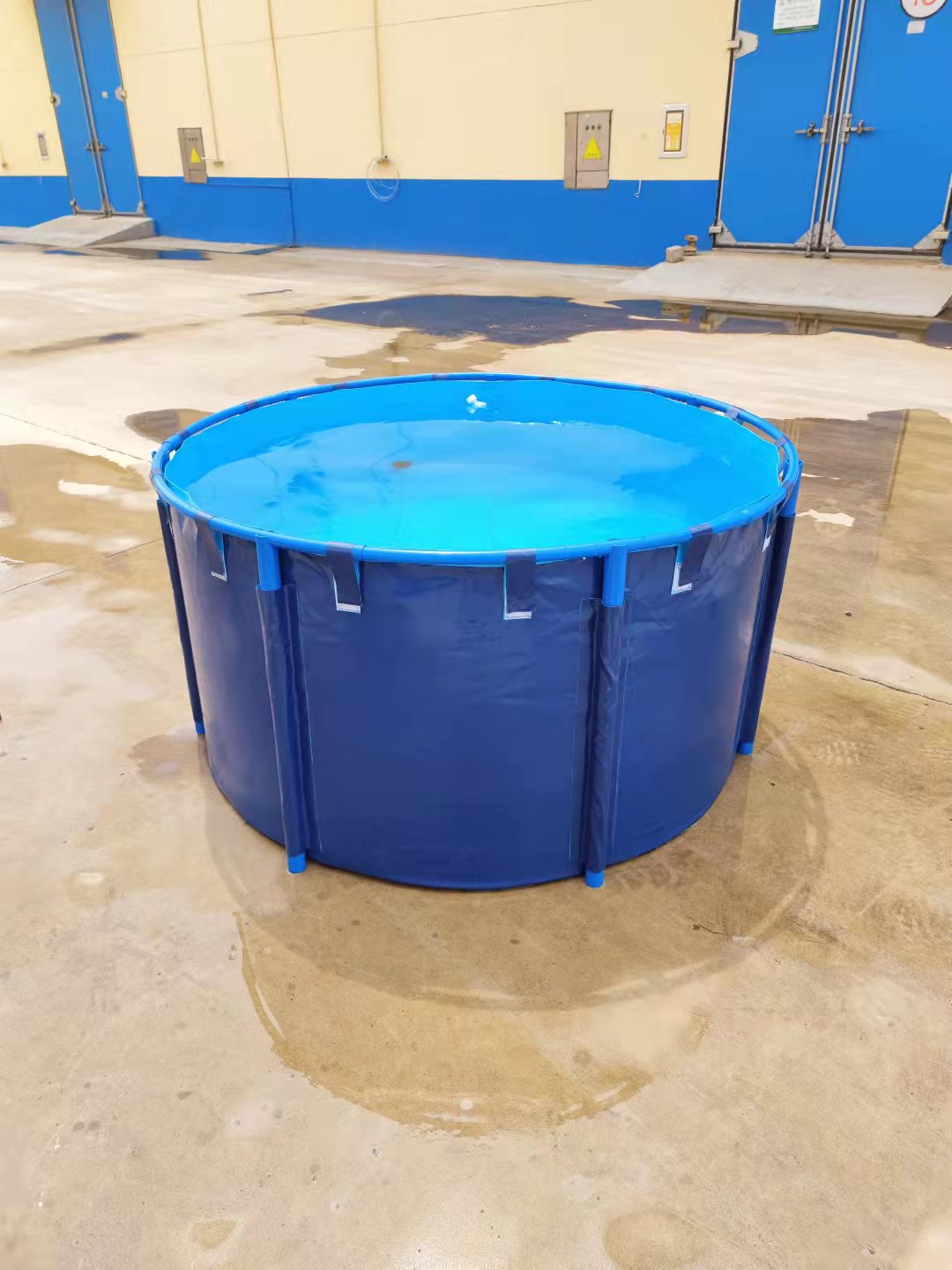
Many systems rely on dedicated water tanks or connect to facility water supplies, with pressure pumps and control units ensuring steady delivery of mist. For remote sites, integrated tank options offer independence and rapid response power.
Mini takeaway:
In essence, water mist systems are a blend of precise engineering and practical design, tailored specifically to mitigate transformer fire risks swiftly, efficiently, and in ways that won’t compound electrical dangers.
Typical Specifications of a Water Mist System for Transformer
| Specification | Typical Value | Notes |
|---|---|---|
| Droplet Size | 50-100 microns | Critical for heat absorption |
| Water Pressure | 7-12 bar | Depends on system design |
| Activation Time | From detection to mist | |
| Typical Coverage Area | Up to 20 m² per nozzle | Can be scaled |
| Water Consumption | 0.5–2 liters per minute | Lower than sprinklers |
Global Applications and Real-World Use Cases
A water mist system for transformers isn’t just theoretical — it’s widely adopted in several sectors and regions around the globe:
- Power Generation Facilities: Many European and Asian grids deploy these systems to safeguard critical transformers in substations from fires, supported by standards like IEC 61508.
- Oil & Gas Installations: Offshore rigs and refineries use water mist to reduce fire risks around transformers near combustible materials.
- Remote Industrial Sites: In places such as Australia’s mining regions, compact water mist systems provide a reliable, low-maintenance solution where water supply and space are limited.
- Post-Disaster Relief Operations: Mobile transformer units equipped with built-in water mist fire suppression help stabilize power delivery rapidly in emergency zones.
For example, a Southeast Asian utility company credited water mist systems with reducing fire-related transformer outages by nearly 40% in a recent multi-year upgrade project. Clearly, the tech is making waves far beyond lab tests.
Mini takeaway:
This approach is proving vital across diverse geographies and industries—not just for fire suppression but also for resilience and sustainability.
Advantages and Long-Term Value of Water Mist Systems for Transformers
- Cost Efficiency: Reduced water usage translates into less cleanup and lower repair costs.
- Environmentally Friendly: Uses water without harmful chemicals, aligning with sustainable fire protection goals.
- Minimal Equipment Damage: Fine mist cools efficiently without soaking electrical components, preserving transformer longevity.
- Human Safety: Rapid suppression reduces fire hazard exposure to operations personnel.
- System Reliability: Modular, corrosion-resistant parts mean years of dependable service with low maintenance.
On a more human note, there's peace of mind in knowing these systems act swiftly so a fire doesn't escalate into something that risks entire communities or critical infrastructure. The trust that delivers is hard to put a price on, even though we all try...
Future Trends and Innovations
The water mist system for transformer field isn’t standing still. Innovations in IoT sensors enable smarter detection with real-time system diagnostics. Additive manufacturing opens doors for even more compact nozzle designs tailored exactly to unique transformer shapes. There's also a bigger push to integrate these systems with renewable energy protections as grids become greener and more decentralized.
Automation and AI-assisted predictive maintenance could soon make the difference between a near-miss and a disaster—and water mist technology is right at the heart of that transformation.
Challenges and Their Solutions
Like any technology, water mist systems come with hurdles. Adequate water supply can be an issue in remote sites, and initial costs sometimes appear high to smaller operators. Also, improper installation or poor maintenance can reduce effectiveness.
Expert advice: investing in system training, routine inspections, and selecting vendors who provide end-to-end support often swings ROI favorably. Plus, hybrid suppression systems combining water mist with inert gases are sometimes employed to tackle complex scenarios.
Vendor Comparison: Top Water Mist Systems for Transformer
| Vendor | System Type | Activation Speed | Water Consumption | Price Range (USD) |
|---|---|---|---|---|
| HydroSafe Technologies | ULV (Ultra Low Volume) Mist | 0.7 L/min | $15,000 - $25,000 | |
| ElectroMist Corp. | High-Pressure Mist | 1.2 L/min | $12,000 - $22,000 | |
| SafeFlow Solutions | Modular Mist Units | 0.5 L/min | $18,000 - $28,000 |
FAQs About Water Mist Systems for Transformers
- Q1: How does a water mist system compare to traditional sprinkler systems around transformers?
- A1: Water mist systems use much finer droplets that absorb heat faster and cause less water damage. This means they cool down fires quickly without soaking sensitive electrical parts—a major advantage versus traditional sprinklers.
- Q2: Can water mist systems be installed in existing transformer setups without major renovations?
- A2: Yes, many water mist systems are modular and compact, designed to fit within existing spaces. However, proper site assessment and professional installation are crucial to ensure effectiveness and compliance.
- Q3: Are water mist systems effective in all climates?
- A3: Generally, yes. These systems are used globally—from humid tropics to dry deserts. However, water supply and freezing risks need to be considered in extreme environments, and proper insulation or heating elements might be added.
- Q4: How often do these systems need maintenance?
- A4: Routine maintenance usually involves inspection every 6–12 months, checking nozzle integrity, water pressure, and detector functioning. Regular maintenance ensures prompt activation during emergencies.
- Q5: Is the water mist system environmentally sustainable?
- A5: Absolutely. It uses water without chemical additives, minimizing environmental impact. Plus, its reduced water consumption compared to traditional systems supports water conservation goals.
Wrapping It Up: Why Care About Water Mist Systems for Transformers?
There’s a quiet revolution happening in transformer safety, and water mist systems are at the forefront. They’re not just about putting out fires: they’re about preserving critical infrastructure, protecting people, and reducing downtime in an age when energy is quite literally the lifeblood of modern society.
Interested in learning more or upgrading your facility's fire safety? Visit water mist system for transformer and see what cutting-edge solutions might fit your needs. Sometimes, safety is the simplest investment with the longest-lasting peace of mind.




 English
  Arabic
  Bengali
  China
China  French
  German
  Hausa
Hausa  Indonesian
  Italian
  Japanese
  Javanese
  Malay
Malay  Persian
  Portuguese
  Punjabi
  Russian
  Spanish
  Swahili
  Telugu
  Vietnamese