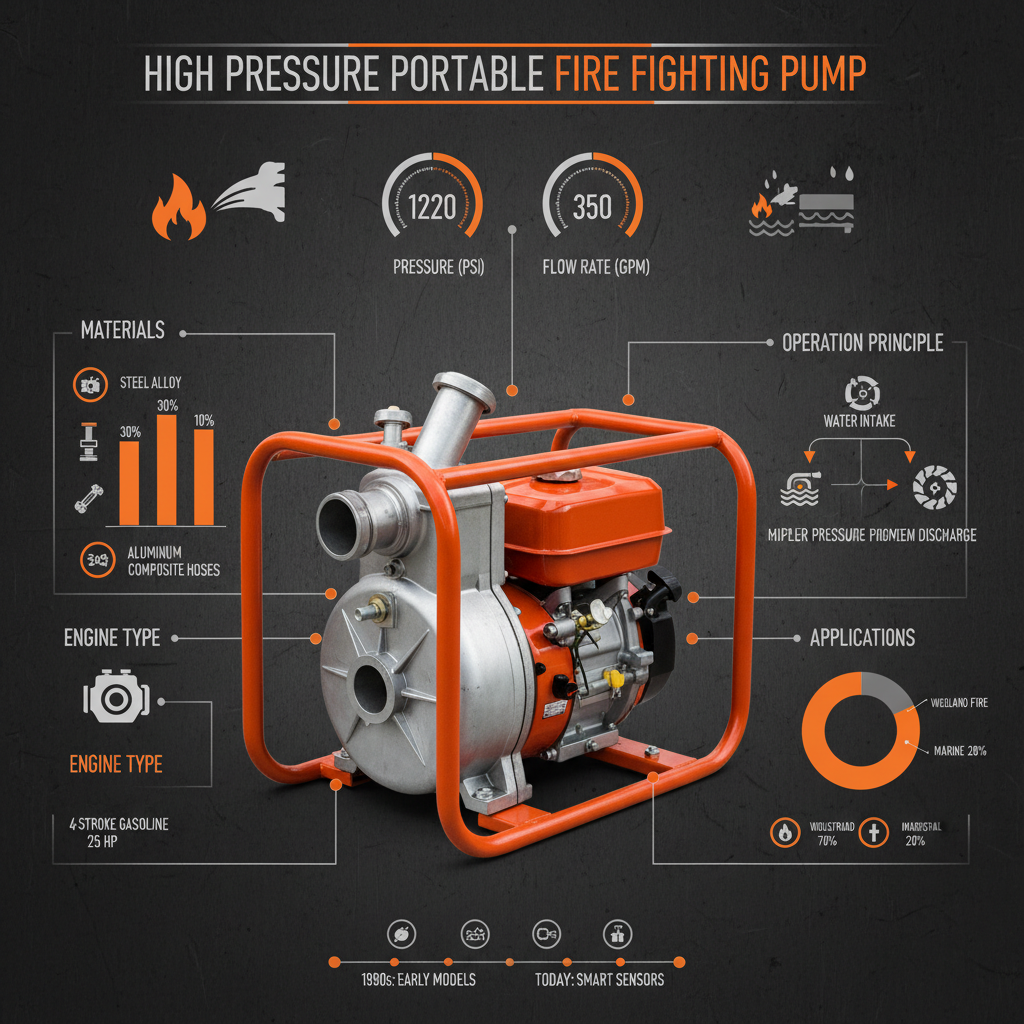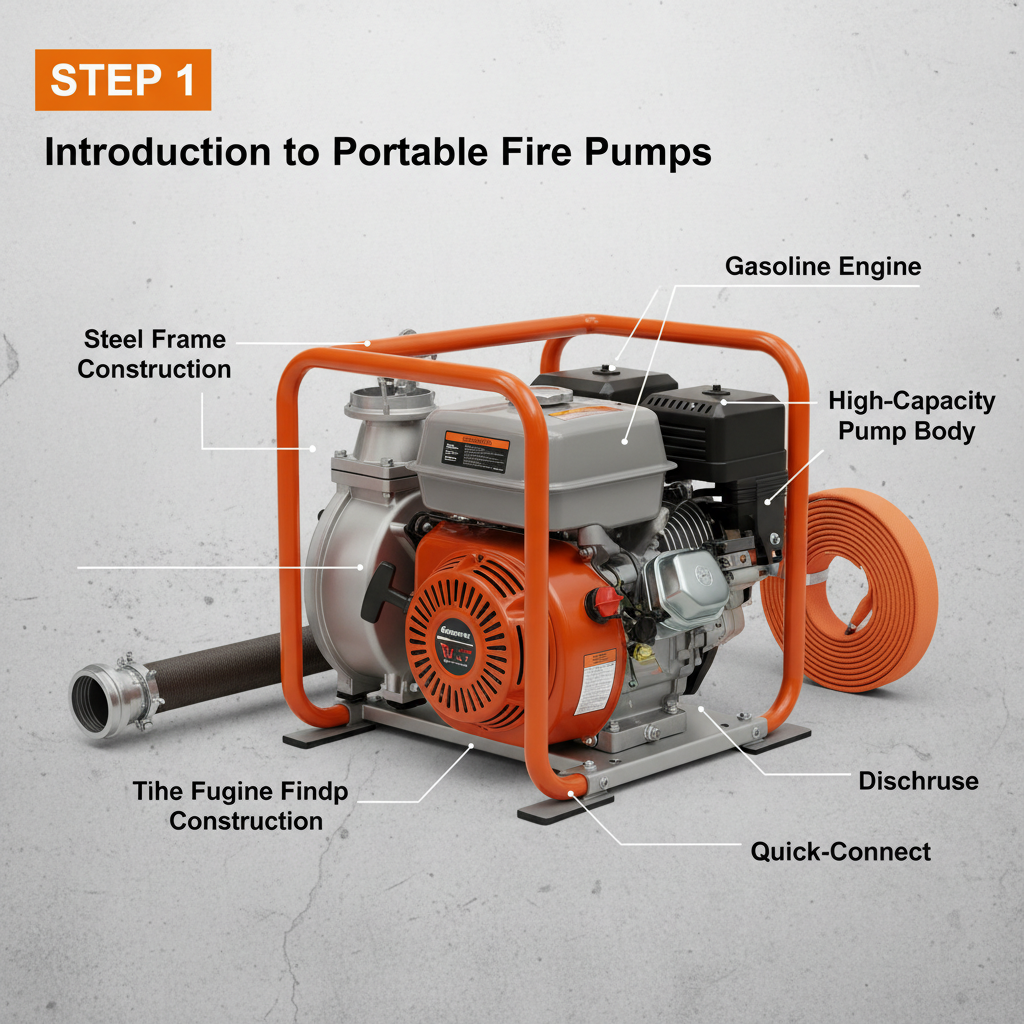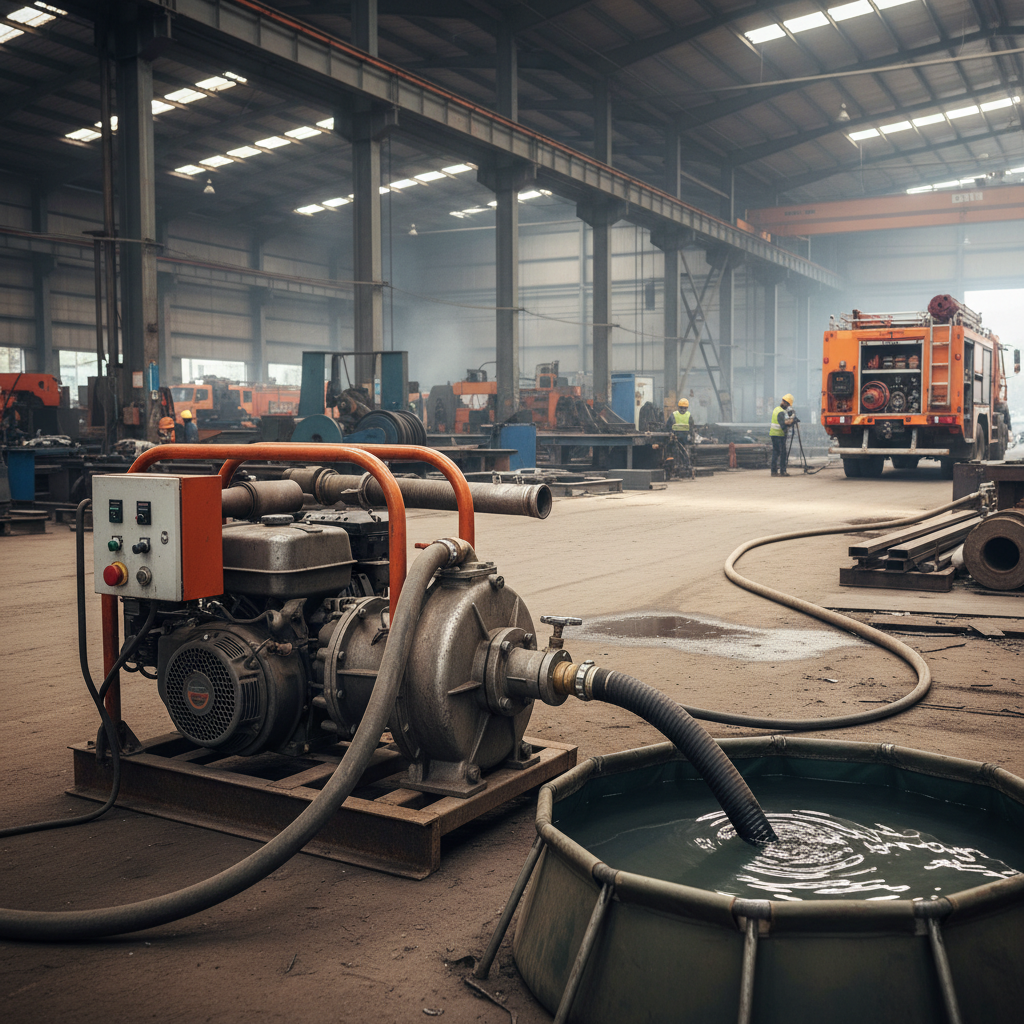


High pressure portable fire fighting pumps are critical tools in modern emergency response, industrial safety, and disaster relief. They provide a reliable and rapidly deployable source of water or foam for extinguishing fires, particularly in situations where access to traditional fire hydrants or large fire trucks is limited. The ability to quickly establish a fire suppression system can dramatically reduce property damage, minimize injuries, and even save lives, making these pumps a vital asset for a wide range of organizations and communities.
Globally, the need for effective fire suppression solutions is increasing due to climate change, urbanization, and the expansion of industrial activities. The demand for high pressure portable fire fighting pumps is particularly acute in regions prone to wildfires, remote industrial sites, and developing countries with limited infrastructure. These pumps offer a cost-effective and versatile alternative to fixed fire protection systems, enabling a faster and more targeted response to fire incidents.
Understanding the capabilities, limitations, and advancements in high pressure portable fire fighting pump technology is paramount for emergency responders, safety managers, and anyone involved in risk mitigation. This knowledge empowers informed decision-making, optimizes resource allocation, and ultimately enhances the safety and resilience of communities worldwide.
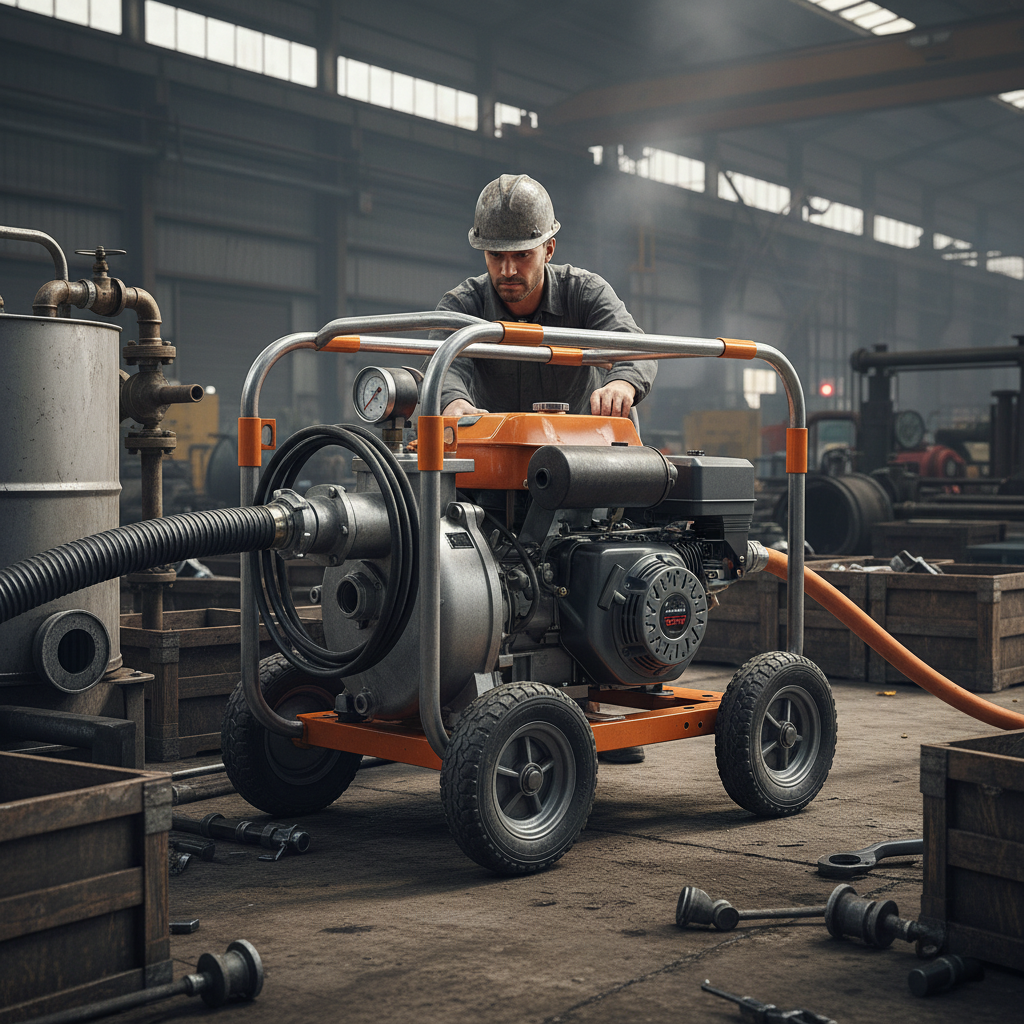
The fundamental principle behind a high pressure portable fire fighting pump is to efficiently increase the water pressure to a level suitable for effective fire suppression. This is achieved through a combination of engine power and pump design, allowing for a concentrated and forceful stream of water or foam. The portability aspect is equally vital, enabling rapid deployment to locations where traditional fire infrastructure is unavailable or insufficient.
These pumps are designed to deliver consistent performance under varying conditions, utilizing robust materials and reliable ignition systems. Understanding the interplay between engine capacity, pump flow rate, and nozzle pressure is crucial for optimizing fire fighting effectiveness. Regular maintenance and operator training are also essential to ensure the pump's longevity and reliable operation.
The global demand for effective fire suppression solutions is escalating, driven by factors like climate change, increasing urbanization, and growing industrial sectors. High pressure portable fire fighting pumps play a vital role in mitigating these risks, especially in regions with limited access to established fire infrastructure. Developing nations, often lacking comprehensive fire services, are particularly reliant on these portable systems for protecting communities and critical assets.
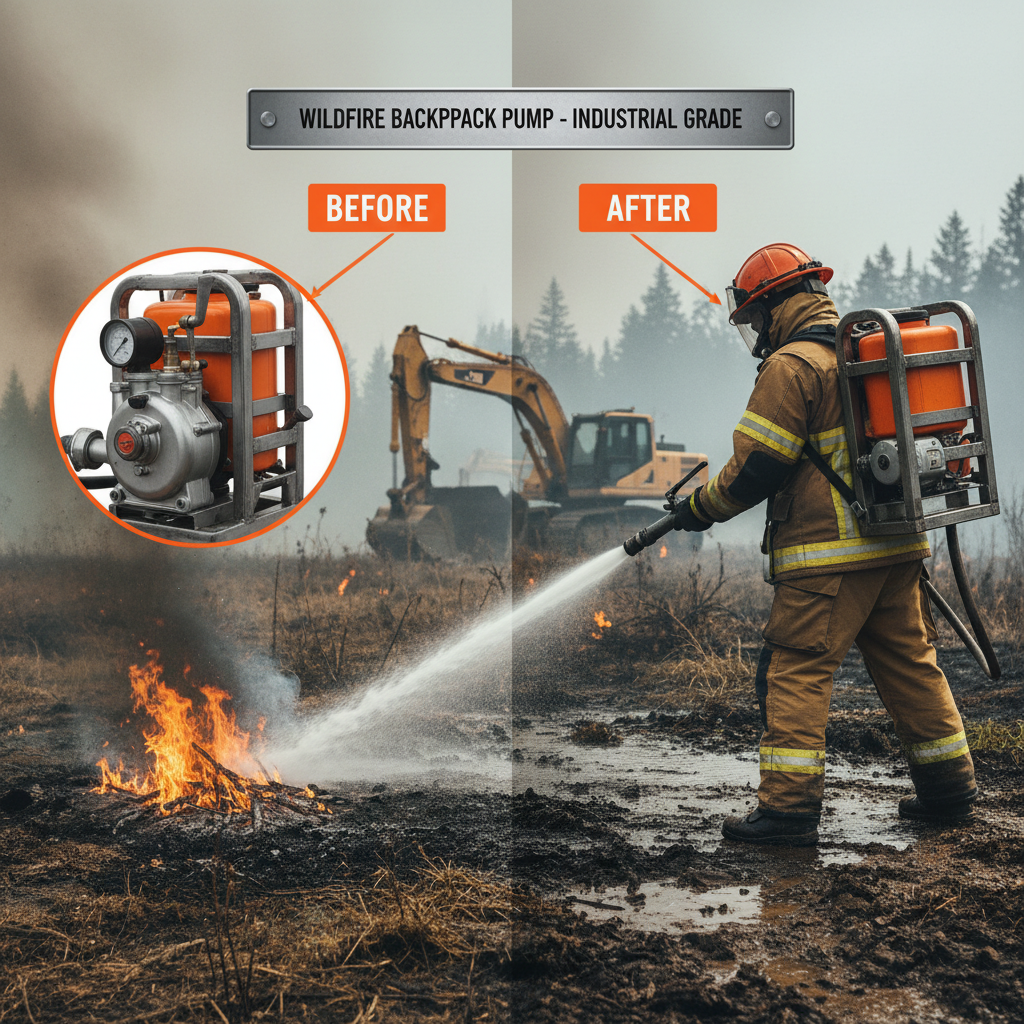
According to the United Nations Environment Programme, wildfires are increasing in frequency and intensity due to changing climate patterns. High pressure portable fire fighting pumps are essential tools in combating these wildfires, allowing fire crews to quickly establish water supplies and suppress flames in remote areas. The World Bank estimates that economic losses from natural disasters, including fires, amount to billions of dollars annually, highlighting the importance of proactive fire prevention and effective suppression measures.
Furthermore, the ISO standards for fire protection equipment are continuously evolving to improve safety and performance. Meeting these standards requires a commitment to quality manufacturing and ongoing innovation in high pressure portable fire fighting pump design and technology, ensuring that these critical tools remain effective in addressing the ever-changing fire risk landscape.
A high pressure portable fire fighting pump is a self-contained unit designed to deliver water or foam at significantly higher pressures than standard pumps. This increased pressure allows for a more focused and effective stream, capable of penetrating burning materials and reaching greater distances. 'Portable' signifies its ability to be easily transported and deployed, typically by hand or vehicle, making it ideal for situations where fixed fire suppression systems are unavailable.
These pumps are crucial in modern industry and humanitarian efforts. In industrial settings, they provide a rapid response to localized fires, protecting valuable equipment and preventing costly downtime. In humanitarian contexts, such as disaster relief operations, they can quickly establish a water supply for fire suppression in areas where infrastructure has been damaged or destroyed. High pressure portable fire fighting pumps are often used in conjunction with portable water tanks, hoses, and nozzles to create a complete and mobile fire suppression system.
The connection to modern needs extends beyond just immediate fire control. The ability to rapidly deploy and operate these pumps in challenging environments underscores their importance in safeguarding lives, protecting property, and maintaining operational continuity. They are indispensable tools in a world increasingly vulnerable to fire hazards.
The effectiveness of a high pressure portable fire fighting pump hinges on several key features. Durability is paramount, as these pumps often operate in harsh environments and demanding conditions. Robust construction, utilizing corrosion-resistant materials and reinforced components, ensures long-term reliability.
Another critical feature is flow rate, which determines the volume of water or foam delivered per unit of time. A higher flow rate provides greater fire suppression capacity, but it also requires a more powerful engine. Matching the flow rate to the specific application is crucial for optimal performance.
High pressure portable fire fighting pumps find widespread application across diverse industries. In the oil and gas sector, they are critical for fire suppression on drilling rigs, refineries, and pipelines, where flammable materials are prevalent. Their portability allows for rapid deployment to remote locations.
The forestry industry relies heavily on these pumps to combat wildfires and protect valuable timber resources. Similarly, in the agricultural sector, they are used to suppress fires in fields, storage facilities, and processing plants. Emergency services, including fire departments and search and rescue teams, utilize them as a first-response tool in a wide range of fire scenarios.
Investing in high pressure portable fire fighting pumps delivers substantial long-term advantages. Reduced property damage is a primary benefit, as rapid fire suppression minimizes the extent of destruction. This translates to lower repair costs, reduced business interruption, and faster recovery times.
Furthermore, these pumps contribute to enhanced safety for personnel and communities. A quick and effective response to fire incidents reduces the risk of injuries and fatalities. The versatility and portability of these pumps make them a valuable asset for organizations seeking to proactively manage fire risks and protect their investments.
The future of high pressure portable fire fighting pump technology is poised for significant advancements. The integration of digital technologies, such as remote monitoring and control systems, will enable real-time performance tracking and optimization. The development of more efficient and environmentally friendly engines, potentially utilizing alternative fuels or electric power, will reduce emissions and enhance sustainability.
The incorporation of advanced materials, such as lightweight alloys and composites, will improve pump portability and durability. Furthermore, the development of smart nozzles and foam generation systems will enhance fire suppression effectiveness. These innovations will collectively contribute to safer, more efficient, and more sustainable fire protection solutions.
| Advancement Area | Current Status | Potential Impact | Implementation Challenges |
|---|---|---|---|
| Digital Integration | Remote monitoring is emerging. | Improved performance analysis and predictive maintenance. | Data security and connectivity issues. |
| Engine Efficiency | Gasoline and diesel engines are standard. | Reduced emissions and fuel consumption. | Cost of alternative fuel technologies. |
| Materials Science | Aluminum and steel are common. | Lighter weight and increased durability. | Material cost and manufacturing complexity. |
| Nozzle Technology | Adjustable nozzles are typical. | Optimized water patterns and fire suppression. | Maintaining nozzle reliability in harsh conditions. |
| Foam Generation | External foam mixers are used. | Enhanced fire suppression capabilities. | Foam compatibility and mixing efficiency. |
| Automation & Robotics | Limited automation currently. | Remote operation and improved safety. | High development and integration costs. |
The flow rate of a high pressure portable fire fighting pump typically ranges from 100 to 500 gallons per minute (GPM), though this can vary significantly depending on the pump's size and engine power. Higher flow rates are desirable for larger fires, but also require a more powerful engine and a larger water source. Selecting the right flow rate is crucial for optimizing fire suppression effectiveness without exceeding the pump's capabilities.
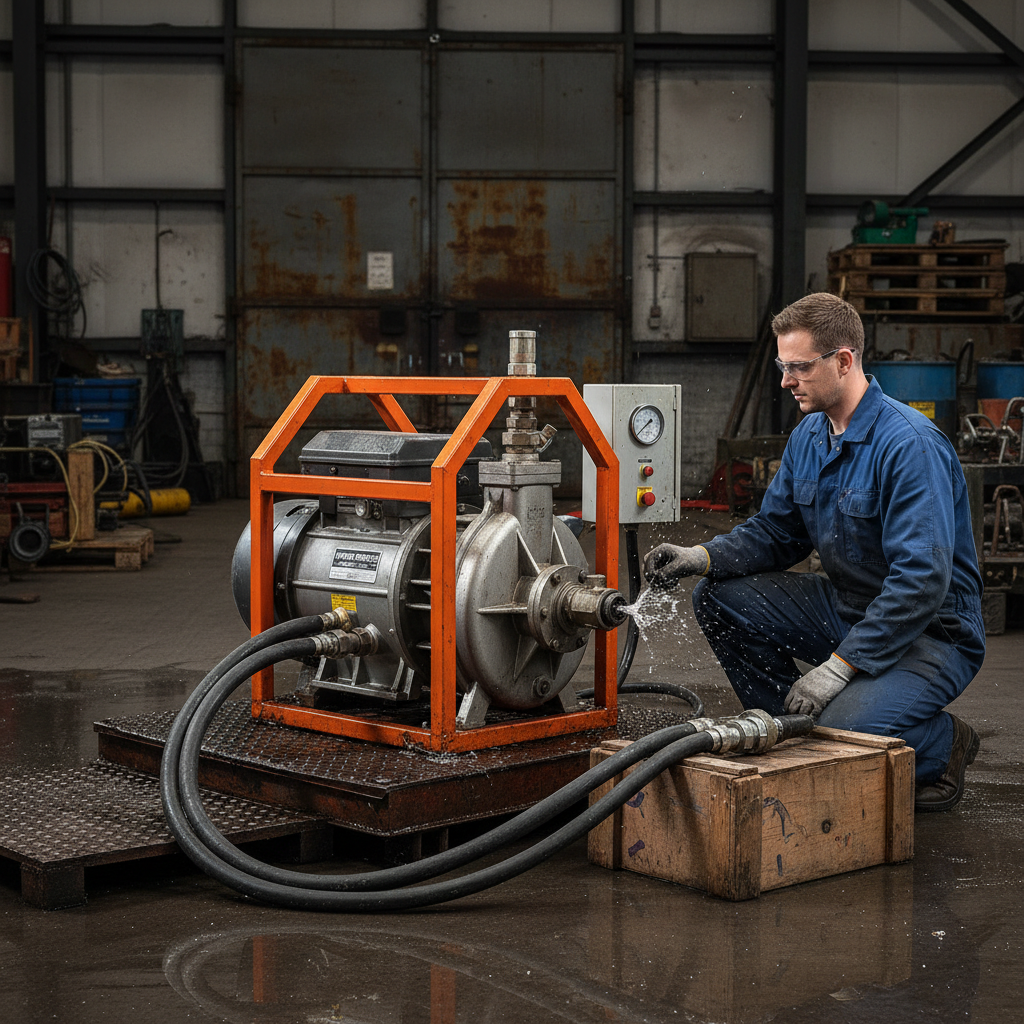
Regular maintenance is essential for ensuring the reliable operation of a high pressure portable fire fighting pump. This includes checking fluid levels (oil, fuel, coolant), inspecting hoses and connections for leaks or damage, lubricating moving parts, and conducting periodic engine tune-ups. Following the manufacturer's recommended maintenance schedule will help prevent breakdowns and extend the pump's lifespan.
Operating a high pressure portable fire fighting pump requires strict adherence to safety precautions. Always wear appropriate personal protective equipment (PPE), including eye protection, gloves, and hearing protection. Ensure the pump is placed on a stable and level surface, and never operate it in enclosed spaces without adequate ventilation. Be aware of potential hazards, such as electrical lines and flammable materials.
High pressure portable fire pumps can draw water from a variety of sources, including rivers, lakes, ponds, and portable water tanks. It’s crucial to ensure the water source is free of debris and contaminants that could damage the pump. Strainers are often used to filter out particles before they enter the pump intake. Maintaining a consistent water supply is key to sustained fire suppression.
Pressure is a critical factor in the performance of a high pressure portable fire fighting pump. Higher pressure allows the water stream to reach further and penetrate burning materials more effectively. However, excessive pressure can also damage hoses and nozzles. Maintaining the optimal pressure, tailored to the specific fire situation and nozzle type, is essential for maximizing suppression effectiveness.
The lifespan of a high pressure portable fire fighting pump can vary significantly depending on usage, maintenance, and environmental conditions. With proper care and regular maintenance, a well-built pump can last for 10-20 years or more. Factors like the quality of components, the severity of operating conditions, and the frequency of use all contribute to its longevity.
In conclusion, high pressure portable fire fighting pumps are indispensable tools for effective fire suppression across a diverse range of applications. Their portability, reliability, and ability to deliver high-pressure water streams make them essential assets for emergency responders, industrial safety teams, and communities at risk of fire. Understanding the key features, advantages, and future trends in this technology is crucial for optimizing fire protection strategies.
Looking ahead, continued innovation in engine efficiency, materials science, and digital integration will further enhance the performance and sustainability of high pressure portable fire fighting pumps. By investing in these advancements and prioritizing regular maintenance, we can ensure that these critical tools remain at the forefront of fire protection efforts, safeguarding lives and protecting valuable assets for years to come. Visit our website at www.ffwfiresafety.com for more information.

SUBSCRIBE NEWSLETTER
We are very interested in your company's high-quality fire protection equipment and hope to learn more about the products and discuss purchasing matters.

Hebei FeiFanWei Technology Co.,Ltd. is a comprehensive enterprise specialized in the research, production, sales and training of emergency rescue equipment.
PRODUCTS
PRODUCTS
CONTACT US
Hebei FeiFanWei Technology Co.,Ltd. is a comprehensive enterprise specialized in the research, production, sales and training of emergency rescue equipment.
Copyright © 2026 Hebei FeiFanWei Technology Co.,Ltd. All Rights Reserved. Sitemap | Privacy Policy | Top Blog | Global Service