








Understanding the Flexifog Water Mist System: A Modern Solution to Fire Safety
Fire safety remains a critical concern worldwide, impacting everything from urban infrastructure to remote industrial zones. The flexifog water mist system is emerging as an innovative technology in this field, offering enhanced fire protection through efficient water mist delivery. Understanding this system is essential not just for safety engineers, but for anyone involved with facility management, humanitarian aid, and environmental sustainability. The benefits are compelling: reduced water usage, quicker response times, and compliance with modern safety standards.
Why the Flexifog Water Mist System Matters Globally
Globally, fire incidents cause billions in damage and thousands of casualties each year. According to the United Nations, fire safety is a priority for sustainable development, especially in increasingly urbanized environments. The World Bank data also highlight the growing need for efficient emergency systems in industrial and residential zones, given rapid expansion worldwide. The flexifog water mist system addresses these challenges with a smaller environmental footprint and superior fire suppression performance – essential where water scarcity and infrastructure robustness matter.
Yet, many facilities still rely on traditional sprinklers that waste water and can trigger collateral damage. The flexifog approach reduces these risks, a crucial development when climate change amplifies the consequences of fire events. It’s not just about putting flames out; it’s about smarter, environmentally friendly firefighting.
Mini Takeaway:
- Flexifog water mist systems respond to global fire safety needs by using less water and delivering faster protection.
- They are critical for sustainability efforts and urban resilience goals worldwide.
What Exactly Is a Flexifog Water Mist System?
At its core, a flexifog water mist system is a fire suppression technology that utilizes ultra-fine water droplets (mist) to control, suppress, or extinguish fires. Unlike traditional sprinklers that release large droplets, water mist cools flames and surrounding gases more efficiently and reduces oxygen interruption through vapor expansion.
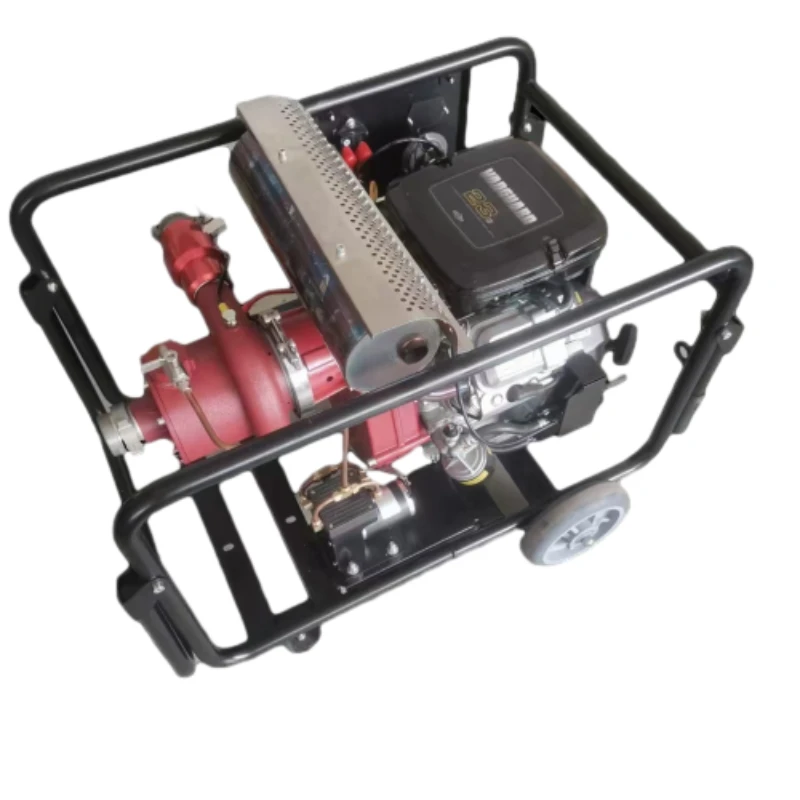
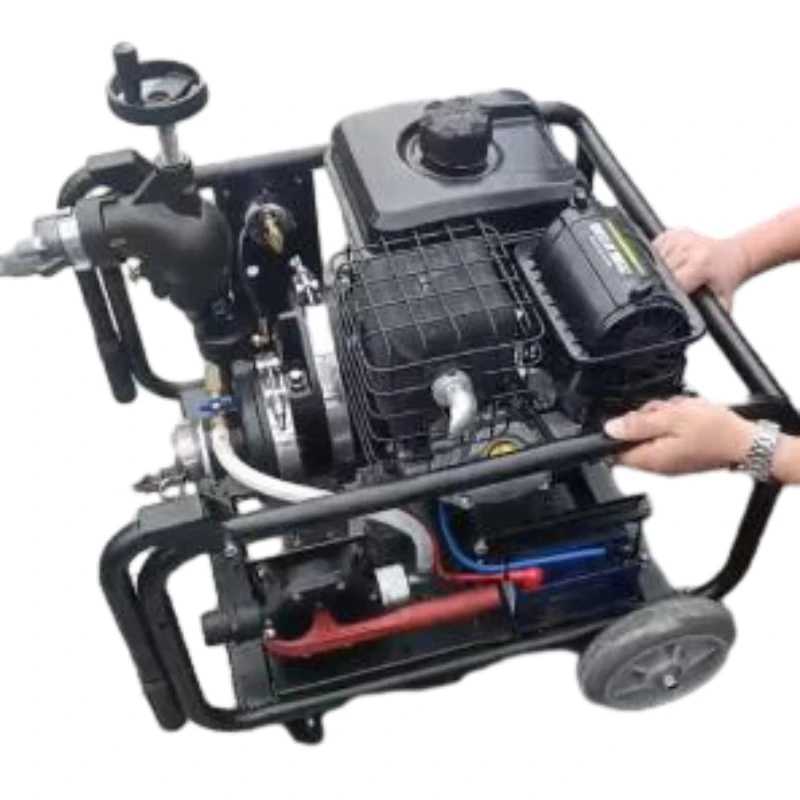
These systems are flexible ("flexifog" literally hints at adaptability) and can be integrated into various environments—from industrial warehouses to heritage buildings. They’re often compact, quick to deploy, and compatible with automated detection and response setups, making them a staple for modern fire safety engineering and even humanitarian disaster management scenarios.
Mini Takeaway:
- The flexifog system works by sending microscopic water droplets to smother fires more effectively.
- It's designed for flexibility and rapid deployment across different industries and scenarios.
Key Components and Features of a Flexifog Water Mist System
1. Fine Nozzle Technology
The key lies in the nozzles. These ultra-fine mist generators atomize water to droplets typically less than 100 microns wide. This ensures maximum surface area contact, more effective heat absorption, and rapid steam generation that displaces oxygen.
2. High-Pressure Pumps
Flexifog systems use high-pressure pumps (upwards of 100 bar in some models) to push water through nozzles, creating the mist. The pressure is balanced for optimum droplet size without wasting energy.
3. Scalable Control Units
Control panels can be scaled for small rooms or massive industrial halls. They integrate sensors, alarms, and automated shutoffs, providing real-time monitoring and immediate activation.
4. Water Efficiency
Compared with traditional sprinklers, flexifog systems use up to 90% less water. This is a huge advantage in areas where water is scarce or where fire-water runoff causes damage.
5. Modular Design
They're designed with modularity in mind, so parts can be added, removed, or relocated as building layouts or fire risk zones change.
Mini Takeaway:
- Fine nozzles, high pressure, and smart controls combine to maximize efficiency.
- The system’s modularity and water savings make it adaptable and eco-friendly.
Flexifog Water Mist Systems in Action Around the World
It's not just theory – the flexifog water mist technology is applied in a range of globally significant scenarios. For instance:
- Industrial Facilities: In hazardous areas where flammable liquids are present, like chemical plants in Germany and the US, the system offers precise suppression without water damage to equipment.
- Historic Building Protection: Museums in Italy and churches in the UK have installed these systems to protect priceless artifacts without soaking delicate materials.
- Humanitarian Relief Camps: In post-disaster zones, such as temporary shelters in Southeast Asia, these systems help curb fire risks with minimal infrastructure impact.
- Remote Energy Sites: Wind farms and offshore oil platforms benefit from the system’s compact, autonomous operation capability.
Industries and regions with fire risks but limited access to water find this especially valuable. It’s more than a firefighting tool; it’s part of a wider safety culture.
Mini Takeaway:
- Flexifog systems protect diverse environments – from remote energy setups to dense urban heritage sites.
- Their adaptability supports critical global environmental and safety goals.
Key Advantages & Long-Term Value of Flexifog Water Mist Systems
- Cost Efficiency: Less water usage, lower damage risk, and reduced clean-up lowers lifetime costs.
- Sustainability: Environmentally friendly, minimizing water waste and toxic byproducts.
- Social Impact: Protects lives and cultural heritage, enhancing community safety and dignity.
- Reliability: Proven performance in harsh settings means consistent protection.
- Innovation & Trust: The system's smart integration builds confidence among facility managers and insurers alike.
It’s a rare mix of emotional trust—knowing people and priceless assets are safer—and logic: the numbers add up.
Future Trends & Innovations in Flexifog Systems
Looking ahead, flexifog water mist technology is evolving with:
- Smart Integration: IoT-enabled systems allow predictive maintenance and remote management.
- Green Materials: New nozzle materials improve durability and reduce ecological footprint.
- Automation: AI-driven detection could speed up activation and adjust mist distribution dynamically.
- Renewable Energy: Solar-powered pumps and battery backups increase autonomy in remote areas.
As we shift toward greener, smarter infrastructure, flexifog systems will likely become even more central.
Challenges & Practical Solutions
Every tech has its hurdles. Common challenges include:
- Initial Installation Cost: Although savings come later, upfront investment can be a barrier.
- Technical Expertise: Proper design and maintenance require skilled technicians.
- Water Quality Sensitivity: Systems need clean water to avoid nozzle clogging.
Fortunately, many vendors now offer training and turnkey packages. Advances in water filtration and modular design also ease maintenance pain. It’s a matter of smarter planning and ongoing education.
Product Specification Table for a Typical Flexifog Water Mist System
| Feature | Specification |
|---|---|
| Nozzle Type | Ultra-fine atomizing nozzles |
| Operating Pressure | 80 - 140 Bar |
| Droplet Size | 10 - 100 microns |
| Water Consumption | 0.3 - 1.5 litres/min per nozzle |
| Coverage Area | Up to 150 m² per system segment |
| Control System | Modular, IoT capable |
Vendor Comparison: Flexifog System Providers
| Aspect | Vendor A | Vendor B | Vendor C |
|---|---|---|---|
| Certification | EN 14972, FM Approved | UL Listed, ISO 9001 | LPCB, FM Approved |
| System Integration | IoT & Building Management System (BMS) | Standalone + optional IoT | Cloud-based monitoring support |
| Water Efficiency | Up to 90% water saving | Approx. 80% saving | 85-90% water saving |
| Installation Cost | Mid-range | Lower upfront but higher maintenance | Premium pricing |
| Maintenance Support | Worldwide service network | Regional only | Dedicated 24/7 support |
Frequently Asked Questions About Flexifog Water Mist Systems
Q1: How does the flexifog water mist system differ from traditional sprinklers?
A1: Unlike traditional sprinklers that spray large water droplets, flexifog systems atomize water into very fine mist droplets. This increases surface area, cools fires faster, and uses up to 90% less water, minimizing damage to property and environment.
Q2: Can a flexifog system be installed in heritage buildings without harming sensitive interiors?
A2: Yes. The mist’s fine droplets cause less water damage, making the system ideal for historic sites, museums, and art galleries where preserving intangible materials is critical.
Q3: How scalable are flexifog systems for large industrial setups?
A3: They’re highly scalable, with modular design options allowing easy expansion or adjustment to suit changing layouts or increased hazard zones.
Q4: What maintenance is required to keep the system reliable?
A4: Regular nozzle cleaning, pump checks, and water quality monitoring are essential. Vendors usually provide training and support for these tasks.
Q5: Is the flexifog water mist system eco-friendly?
A5: Absolutely. Its water efficiency and low-pressure operation greatly reduce environmental impact, making it a sustainable fire suppression choice.
Conclusion: Invest in Safety That Looks Ahead
To wrap up, the flexifog water mist system blends innovation, sustainability, and proven fire protection into a single package. It’s not just about beating fires – it’s about reducing environmental footprints, preserving valuable assets, and protecting lives in a smarter way. Considering its adaptability, efficiency, and evolving tech integration, it’s a forward-thinking choice for any safety-conscious organization or community.
Interested in upgrading your fire safety infrastructure? Explore more at FFW Fire Safety Solutions and discover how these systems can work for your unique needs.




 English
  Arabic
  Bengali
  China
China  French
  German
  Hausa
Hausa  Indonesian
  Italian
  Japanese
  Javanese
  Malay
Malay  Persian
  Portuguese
  Punjabi
  Russian
  Spanish
  Swahili
  Telugu
  Vietnamese