








Understanding Water Mist System Components: A Crucial Element in Fire Safety Worldwide
Water mist system components might not be a household phrase, but their role in fire suppression and industrial safety is increasingly vital. Globally, as urbanization demands smarter firefighting solutions, understanding what goes into these systems can pay dividends—not only in safety but in sustainable building design and risk management.
Simply put, a water mist system uses fine water droplets to cool flames, displace oxygen, and prevent reignition. But the components—nozzles, pumps, pipes, and control units—determine effectiveness. These parts quietly fight fires in data centers, museums, oil platforms, and ships alike. So, understanding these components means appreciating how modern fire safety balances efficiency, environment, and cost.
water mist system componentsGlobal Context: Why Water Mist Systems Matter Now More Than Ever
On a global scale, fire safety systems are a growing market, not least because fires cause billions in damage and thousands of deaths annually, according to the United Nations Office for Disaster Risk Reduction (UNDRR). Cities are vertical, industrial complexes more intricate, and valuable ecosystems vulnerable. ISO standards emphasize water mist’s efficiency—using up to 90% less water than traditional sprinklers—which aligns with water conservation initiatives worldwide.
Yet, challenges remain. Conventional sprinkler systems often flood entire rooms, leading to damage beyond flames. Water mist systems offer a focused approach, but their components must be reliable, adaptable, and efficient—especially in regions facing water scarcity or stringent building codes.
So the question arises: How do these components come together to meet such broad, demanding needs?
Defining Water Mist System Components
At its core, water mist system components consist of several interconnected parts working in harmony to suppress fires:
- Nozzles: These atomize water into fine droplets, typically less than 100 microns.
- Pipes and tubing: Transport water from the supply to the nozzles, often under high pressure.
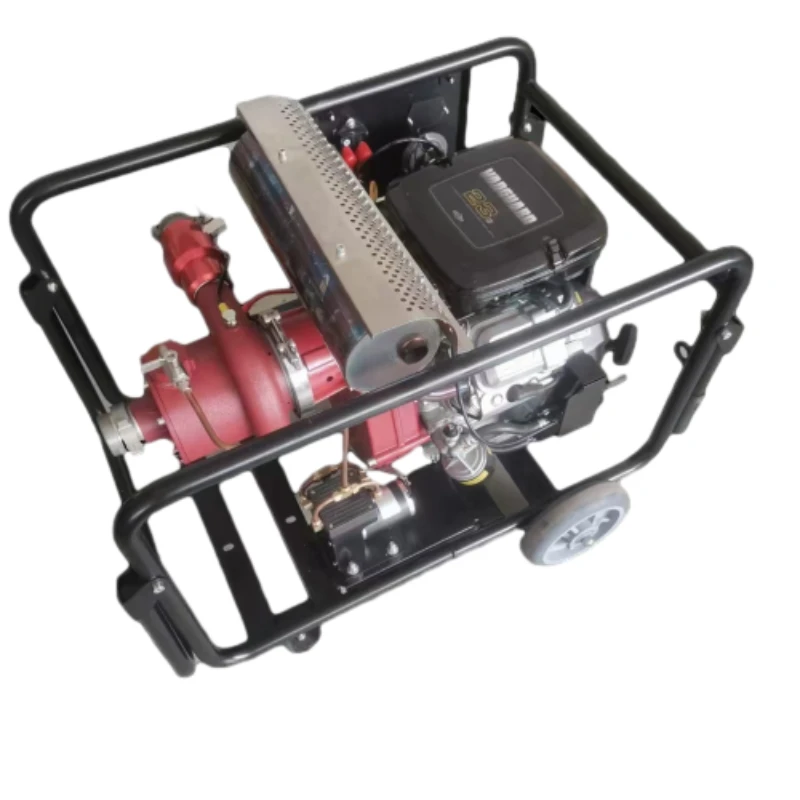
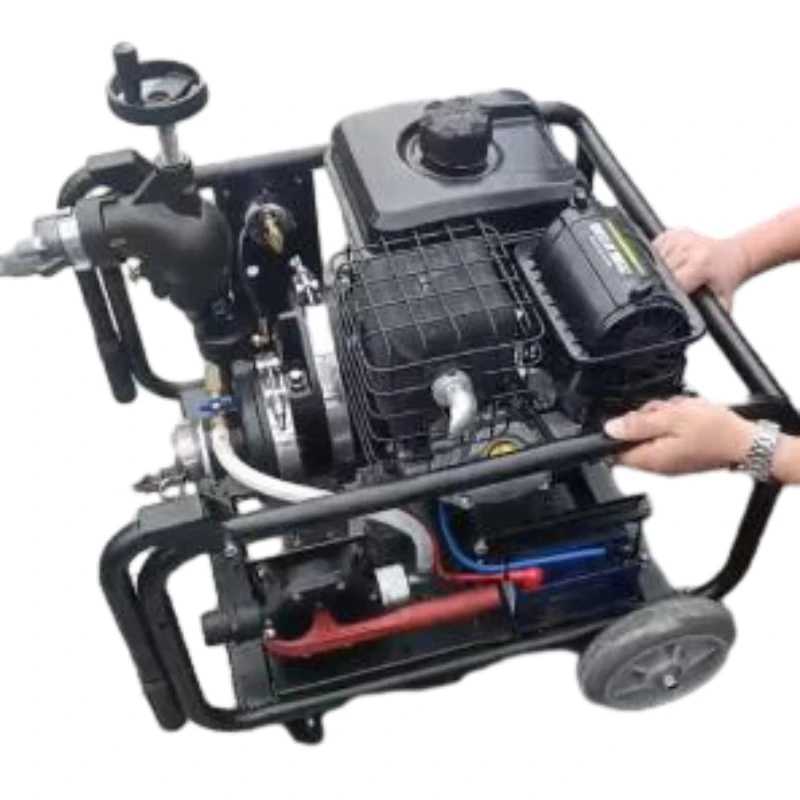
- Pumps: Provide the high pressure necessary for effective misting.
- Control panels: Manage system activation, monitor flow pressure, and often integrate with alarms.
- Sensors and detectors: Identify fires early to trigger the system automatically.
Each component’s design, durability, and compatibility affect how swiftly and reliably a water mist system functions. In industries ranging from maritime to heritage conservation, these parts safeguard assets and lives with minimal disruption.
This synergy of parts reminds me a bit of clockwork—many small but precise parts working seamlessly to perform a critical function.
Key Factors Behind Effective Water Mist System Components
1. Durability
Since water mist systems often serve in challenging environments—extreme temperatures, corrosive atmospheres, or constant vibrations—components must resist wear and corrosion to maintain function over years.
2. Scalability
Systems vary from protecting a single server room to an entire offshore platform. Components that can be modularly scaled or customized meet diverse requirements efficiently.
3. Cost Efficiency
Beyond upfront costs, it’s about maintenance, component lifespans, and water usage. Efficient nozzles, for instance, reduce water and energy consumption—cutting long-term operating expenses.
4. Compliance and Certification
International standards like EN 14972 and NFPA 750 regulate design and installation. Components must comply not only for safety but for insurance and regulatory peace of mind.
5. Ease of Integration
Compatibility with building management systems or existing fire detection tech reduces installation hurdles and improves responsiveness.
Water Mist System Components in Action: Real-World Applications
These systems don’t just reside in technical manuals—they’re operational across the globe. In dense urban environment like Tokyo or New York, water mist components protect sensitive infrastructures such as data centers and hospitals. Offshore oil rigs in the North Sea rely on them where water availability is limited yet rapid fire response is critical.
In post-disaster relief, portable water mist units equipped with robust components help protect emergency shelters and logistics hubs from fire, where typical firefighting resources are stretched thin.
Similarly, in maritime shipping, where space is limited but fire risk high, water mist components enable compact fire suppression with minimal water damage—a huge benefit for cargo preservation.
water mist system componentsAdvantages and the Long-Term Value of Smart Component Design
Why invest in advanced water mist system components? First, the water savings alone can be revolutionary—up to 90% less compared to sprinklers, which is a game changer in drought-sensitive areas. Plus, minimal water usage means less water damage, ensuring business continuity. The precision targeting also keeps people safer and reduces property loss.
Socially and ethically, adopting smarter fire suppression spells dignity and trust for occupants—emergency response that’s effective but less intrusive feels… kinder.
| Component | Key Specs | Typical Application | Material |
|---|---|---|---|
| Nozzle | Droplet size <100μm, Flow rate 5–30 l/min | Commercial buildings, ships | Stainless steel / brass |
| Pump | Pressure: 60–120 bar, power rating 3–10 kW | Industrial / offshore use | Cast iron / stainless steel |
| Pipework | DN25–DN50, rated up to 150 bar | All applications | Galvanized steel / stainless steel |
| Control panel | Programmable logic controller, integrated fire alarm | Smart buildings, maritime | Enclosure rated IP66 |
Innovations Shaping the Future of Water Mist Systems
Looking ahead, the evolution of water mist system components leans heavily on digitalization and eco-consciousness. Smart nozzles that adjust spray patterns based on fire type, IoT-connected sensors that provide predictive maintenance data, and pumps powered by green electricity are more than concepts—they’re being field-tested.
New composite materials reduce weight and corrosion risk, expanding lifespan. Regulations push for lower water consumption and higher integration with building management — an exciting challenge for designers and manufacturers alike.
Challenges – And How Experts Are Navigating Them
Of course, no tech is without hurdles. High-pressure systems require precise engineering and maintenance to avoid failure. The cost of advanced components can be a barrier, especially in developing markets. Compatibility issues sometimes stall upgrades in older buildings.
Yet, innovative training programs, modular retrofit kits, and global supplier collaboration help bridge these gaps. Investing time in educating installers and users pays off in system reliability. Plus, real-world data shared via case studies enhances confidence in widespread adoption.
Frequently Asked Questions About Water Mist System Components
- What makes water mist nozzles more efficient than traditional sprinkler heads?
- Water mist nozzles produce tiny droplets, increasing surface area and cooling fire rapidly while using less water. This leads to minimal water damage and faster fire suppression compared to larger sprinkler droplets.
- How often should water mist system components be inspected?
- Industry guidelines recommend at least annual inspections, focusing on nozzle cleanliness, pump pressure, and control system functionality. Regular checks prevent clogging and mechanical failures during emergencies.
- Can water mist systems be integrated with existing fire alarms?
- Yes! Most modern water mist systems include control panels designed to interface seamlessly with conventional fire alarm and building management systems for synchronized operation and alerts.
- Are water mist system components suitable for cold climates?
- Absolutely. Components are typically rated to handle low temperatures, with options for pipe insulation or heating elements to protect against freezing.
Wrapping Up: Why Choose Water Mist System Components?
In real terms, the evolving complexity and stakes around fire safety demand smarter, more sustainable solutions. Water mist system components strike that delicate balance—offering effective fire suppression with environmental responsibility and adaptability. Whether safeguarding a heritage museum, a skyscraper, or an offshore rig, these components weave safety and efficiency together.
If you’re scouting for next-level fire safety solutions or want to understand more about the key water mist system components powering today’s systems, don’t hesitate to dive deeper.
Visit our site for detailed product information and expert consultation: https://www.ffwfiresafety.com
| Vendor | Product Range | Price Range | Certification | Lead Time |
|---|---|---|---|---|
| AquaGuard Systems | Nozzles, Pumps, Controls | $$$ | EN 14972, UL | 4-6 weeks |
| MistTech Solutions | Complete System Kits | $$$$ | NFPA 750, ISO 9001 | 6-8 weeks |
| EcoFire Components | Eco-friendly nozzles & pumps | $$ | ISO 14001 | 3-5 weeks |
Quick reflection: Water mist system components embody the ongoing push to blend high-tech precision fire safety with environmental stewardship. They’re not just parts; they’re silent sentinels. And in a world where resources are precious and risks are real, that feels pretty reassuring.




 English
  Arabic
  Bengali
  China
China  French
  German
  Hausa
Hausa  Indonesian
  Italian
  Japanese
  Javanese
  Malay
Malay  Persian
  Portuguese
  Punjabi
  Russian
  Spanish
  Swahili
  Telugu
  Vietnamese