








What Is a Water Mist Fire Protection System and Why Should We Care?
If you’ve ever watched a fire suppression system in action — with that sudden mist gently blanketing everything — you’ve seen the magic of a water mist fire protection system. At its core, this technology uses ultra-fine water droplets to fight fires effectively, but with a finesse that traditional sprinklers don’t offer. Globally, fire protection ranks incredibly high among safety and infrastructure priorities: The WHO estimates that fire causes over 180,000 deaths annually worldwide. As cities densify and industries evolve, having smarter, more efficient fire safety—like water mist fire protection systems—is no longer a luxury; it’s a necessity. In brief: understanding how these systems work, their advantages, and where they fit in the wider safety landscape is crucial—from large industrial complexes to post-disaster relief shelters. They’re quietly revolutionizing how we protect people, property, and even the environment.Mini takeaway: The water mist system represents a smarter, safer evolution in fire protection—one that blends efficiency with environmental sensitivity.
Why the World Needs Water Mist Fire Protection Systems More Than Ever
The urgency behind water mist fire solutions is evident when we glance at rising urban populations, industrial expansions, and the increasing frequency of wildfires globally. The United Nations' Sustainable Development Goals emphasize safety and resilient infrastructure, with fire resilience as a key factor. Fire incidents in densely packed cities or complex industrial plants can swiftly become tragic disasters. Traditional sprinkler systems, while effective, douse large volumes of water—often causing water damage and consuming massive resources. The water mist alternative is more water-efficient and energy-conscious, pivotal in regions where water scarcity is real and firefighting resources limited. Plus, ISO standards increasingly recognize and set guidelines for water mist systems’ effectiveness, pushing manufacturers and safety professionals worldwide to align with these innovations. Simply put, water mist systems address environmental challenges and enhance human safety simultaneously.Mini takeaway: Water mist fire protection is part of a global response to safer, greener, and more sustainable firefighting technologies aligned with international goals.
Defining the Water Mist Fire Protection System: What’s Behind the Name?
So, what exactly is a water mist fire protection system? Put simply, it’s a fire suppression setup that disperses ultra-fine water droplets—typically less than 100 microns in diameter—using specialized nozzles. These tiny droplets absorb heat rapidly and reduce oxygen near the fire, effectively smothering flames with less water than conventional sprinklers. Unlike traditional fire suppression systems that flood an area, the water mist system works by creating a fine vapor curtain, cooling surfaces and displacing oxygen in an efficient balance. It’s a compact, quick-response tool widely used in settings ranging from hospitals and museums to marine vessels and offshore platforms. This technology answers modern industry needs for precision, effectiveness, and minimal collateral damage—a true marvel when you think about its subtle power.Mini takeaway: Water mist systems use science and engineering beautifully—tiny water droplets that pack a big punch against fires, with minimal waste.
Core Components of a Water Mist Fire Protection System
1. High-Pressure Pumps
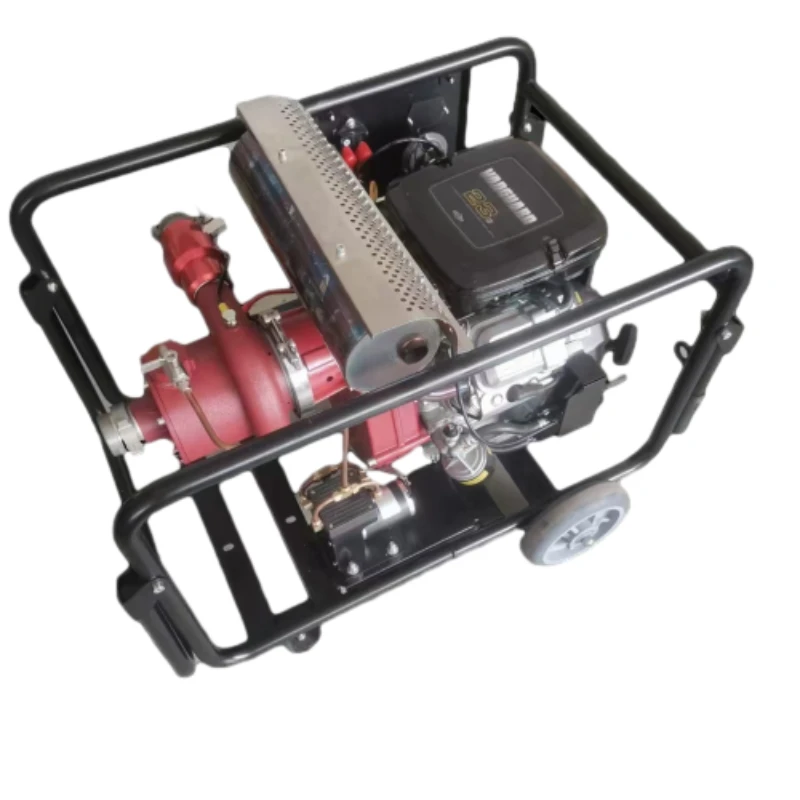
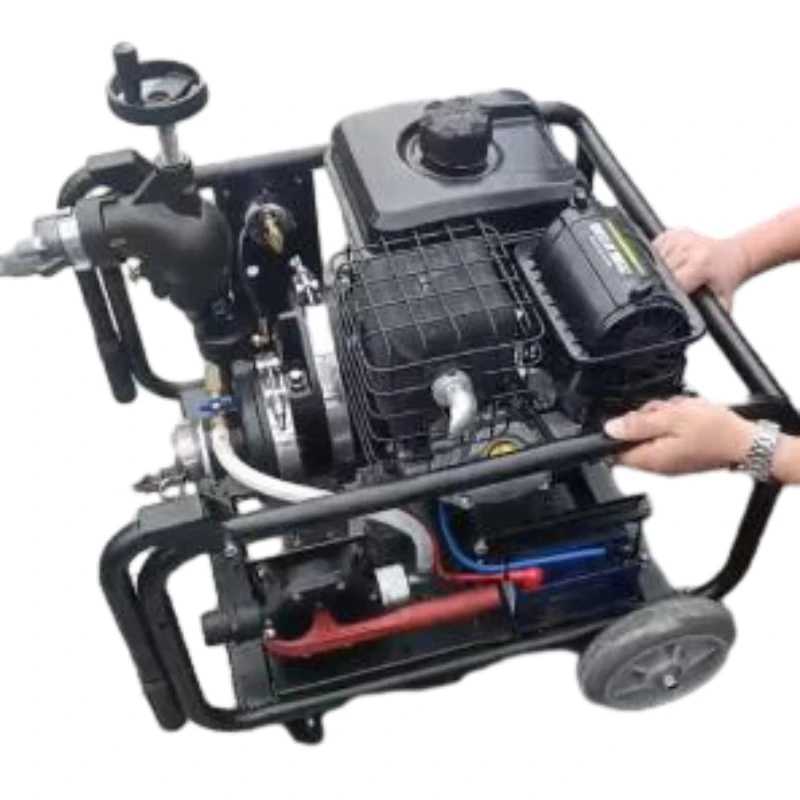
These generate the required pressure (commonly above 100 bar) to atomize water into fine mist. Without the right pressure, droplet size increases, reducing efficiency.2. Specialized Nozzles
Designed for optimal droplet distribution, these nozzles produce consistent mist patterns that cover targeted areas without over-wetting.3. Control Valve Assemblies
They regulate water flow and pressure, ensuring the system activates only when needed—key for resource management and reliability.4. Detection and Activation Systems
Smoke and heat detectors trigger the mist release promptly, minimizing fire damage.5. Piping Network
Durable, corrosion-resistant piping tailored to maintain high pressure without leaks.6. Water Supply Sources
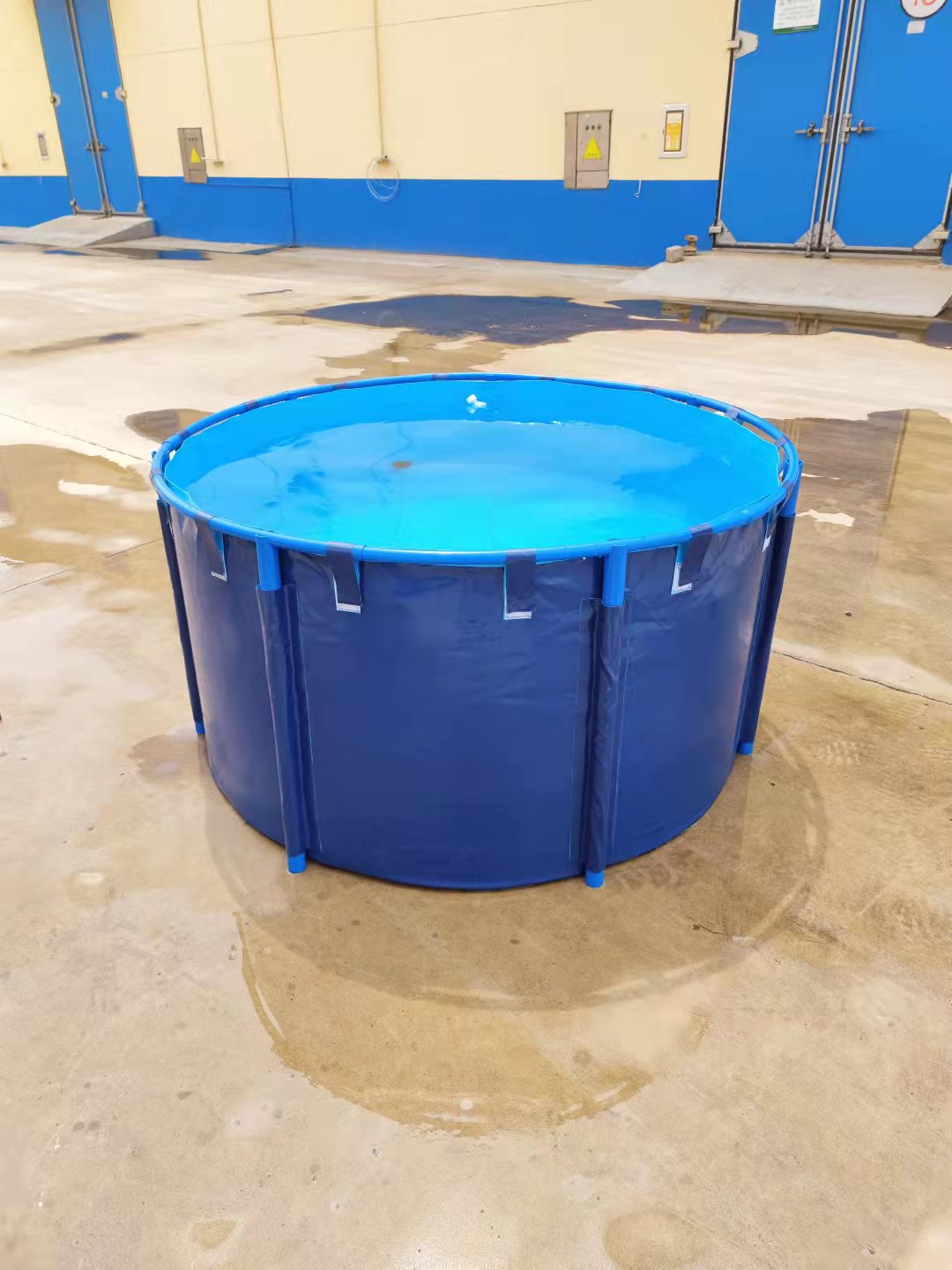
Whether connected to municipal water or dedicated tanks, adequate and clean supply is critical.Mini takeaway: Every component matters—from pumps to sensors. Together, they create a finely tuned orchestra that puts fire out fast and cleanly.
| Specification | Typical Range / Detail |
|---|---|
| Droplet Size | |
| Operating Pressure | 100 - 120 bar (high-pressure systems) |
| Water Consumption | Up to 90% less than traditional sprinklers |
| Activation Time | Within seconds of detection |
| Areas of Use | Industrial, marine, heritage sites, residential, hospitals |
Where on Earth Are Water Mist Fire Protection Systems Making a Difference?
From bustling Asian megacities to remote offshore rigs, water mist systems are increasingly crucial. Consider Japan’s extensive use on their high-speed trains and urban buildings—where fire safety pairs with space-saving needs. Or the North Sea oil platforms, regularly upgraded with these systems because traditional sprinklers would simply waste too much water and cause collateral structural stress. In disaster relief operations, water mist systems offer rapid-deploy solutions. NGOs operating refugee camps or temporary housing often face strict water limits but must uphold safety standards—here, water mist systems shine by being both efficient and effective. Industries like data centers, museums, and healthcare facilities also prefer these systems—water damage is nearly as dangerous as fire damage in these contexts, so a precise mist minimizes risks on multiple fronts.Mini takeaway: These systems adapt beautifully—from dense urban towers to fragile cultural sites and everything in between.
The Advantages: Why Invest in Water Mist Fire Technology?
- Water Efficiency: Uses less water means less damage and environmental burden. - Enhanced Safety: Faster cooling and oxygen displacement reduce fire spread. - Minimal Cleanup: Compared to conventional sprinklers, less water means less downtime. - Eco-Friendly: Non-toxic, no chemicals, and conserves water resources. - Flexible Integration: Can retrofit older buildings without massive renovation. - Quiet and Aesthetic: Mist appears less intrusive, suitable for public spaces. Emotionally, there’s a greater peace of mind knowing a system won’t flood a treasured workspace or home. Employees, residents, and property owners trust quietly in this innovation—not just for today but for future resilience.Looking Ahead: Trends and Innovations in Water Mist Fire Protection
The field is evolving. We’re seeing integration with smart building tech — systems can self-diagnose, optimize water use, and link with fire control centers. Emerging materials enable lower costs and higher durability. Some companies are experimenting with solar-powered pumps to reduce carbon footprints. Digitally controlled valves and AI sensors allow pinpoint targeting of fire zones, improving efficiency. Eco-conscious regulations and ISO standards will likely tighten, pushing for greener solutions with higher performance benchmarks. So the water mist system is not static; it’s moving with the times, blending tech and sustainability.Challenges on the Path and How Experts Are Solving Them
Despite promises, water mist systems aren’t without hurdles: - Initial Cost: Higher upfront investment than traditional sprinklers — but pay-off can be quick in savings and damage avoided. - Maintenance Complexity: High-pressure components need careful upkeep. - System Compatibility: Retrofit can be tricky for older infrastructures. - Training Needs: Fire teams must understand specific operational nuances. Experts counter these challenges by developing modular pump units, offering integrated training, and innovating nozzle designs that balance pressure with durability. Industry groups continue to collaborate internationally to standardize and improve adoption.FAQ: What People Commonly Ask About Water Mist Fire Protection Systems
- Q: How does a water mist system differ from traditional sprinklers?
A: Water mist systems discharge ultra-fine water droplets at high pressure, quickly absorbing heat and displacing oxygen, whereas traditional sprinklers release larger water droplets that flood the area. This makes water mist more water-efficient and less damaging overall. - Q: Are water mist systems suitable for electrical fires?
A: Yes, especially in data centers or industrial settings. The fine mist cools flames and reduces oxygen without causing electrical short circuits common with heavy water sprays. - Q: What maintenance is required?
A: Regular inspections of pumps, nozzles, pipes, and control systems are essential—roughly bi-annual checks are recommended to ensure pressure and spray quality remain optimal. - Q: Can water mist systems be installed in existing buildings?
A: Generally yes, though retrofitting depends on the building’s layout and pipework. Many vendors offer customized solutions to minimize disruption. - Q: How environmentally friendly are these systems?
A: Very much so—water mist systems use significantly less water than traditional methods, involve no fire-suppressant chemicals, and align well with sustainability goals.
Vendor Comparison: Who’s Leading the Water Mist Fire Protection Market?
| Vendor | Key Strength | Typical Applications | Estimated Cost Range |
|---|---|---|---|
| MistCo Solutions | Cutting-edge nozzle tech and AI integration | Industrial plants, offshore platforms | $35K–$120K |
| AquaGuard Systems | Eco-friendly, solar-powered pump options | Hospitals, museums, commercial buildings | $25K–$90K |
| SafeMist Technologies | Robust retrofitting solutions, global support | Heritage sites, data centers | $40K–$110K |
In Conclusion: A Smarter, Safer Future with Water Mist Fire Protection
It’s clear water mist fire protection systems aren’t just a niche alternative; they’re swiftly becoming a mainstay in global fire safety strategies. Combining efficiency, versatility, and sustainability, these systems respond gracefully to today's complex challenges—whether it’s protecting cultural heritage, safeguarding remote offshore platforms, or enabling safer, greener urban living. If fire safety, environmental stewardship, and future-proofing your projects sound important, it’s definitely worth exploring the full range of water mist solutions. For detailed info and tailored advice, I encourage you to check out water mist fire protection system experts, who stay at the cutting edge of this vital field.Stay safe, stay curious, and sometimes, the smallest droplets can make the biggest difference.




 English
  Arabic
  Bengali
  China
China  French
  German
  Hausa
Hausa  Indonesian
  Italian
  Japanese
  Javanese
  Malay
Malay  Persian
  Portuguese
  Punjabi
  Russian
  Spanish
  Swahili
  Telugu
  Vietnamese