








Understanding Domestic Water Mist Fire Systems: Essential Safety for Modern Homes
In a world increasingly focused on smart, sustainable safety solutions, the domestic water mist fire system is quietly becoming a household name. This technology isn’t just a fancy upgrade—it can genuinely save lives, protect property, and even support global environmental goals. But what exactly makes these systems tick, and why should they matter to anyone beyond the fire safety industry? Let’s unpack that.
Mini takeaway: Domestic water mist systems promise safer homes through efficient, eco-friendly fire suppression technology.
Why Domestic Water Mist Fire Systems Matter Globally
Fire safety remains a critical concern worldwide. According to the United Nations, residential fires cause thousands of deaths each year, with often devastating consequences for families and communities. Conventional sprinklers, while effective, can be water-intensive and bulky—issues that don't blend well with modern housing demands or environmental consciousness.
Domestic water mist fire systems offer a compelling alternative: they use fine water droplets to suppress fires quickly, with less water and less damage. This not only reduces water usage (a vital consideration in drought-prone regions) but also cuts down on cleanup costs and damage to belongings. As urbanization grows and sustainability goals tighten, these systems are no longer niche—they're essential.
Mini takeaway: Water mist systems address key global challenges: fire safety, water conservation, and property protection.
What Exactly Is a Domestic Water Mist Fire System?
At its core, a domestic water mist fire system is a specialized fire suppression setup designed for homes. Instead of blasting fire with large quantities of water like traditional sprinklers, it releases a fine mist of microscopic water droplets—think of the spray from a high-tech misting fan but designed to fight flames.
These tiny droplets absorb heat quickly and reduce oxygen near the flame, cooling and starving the fire more efficiently. This means quicker fire knockdown, minimal water damage, and enhanced safety for occupants. Often integrated discreetly into ceilings or walls, the system blends modern fire protection with design aesthetics.
Mini takeaway: These systems combine science and practicality to create effective, space-saving fire defenses for homes.
Core Components: What Makes a Domestic Water Mist Fire System Tick?
1. High-Pressure Pumps
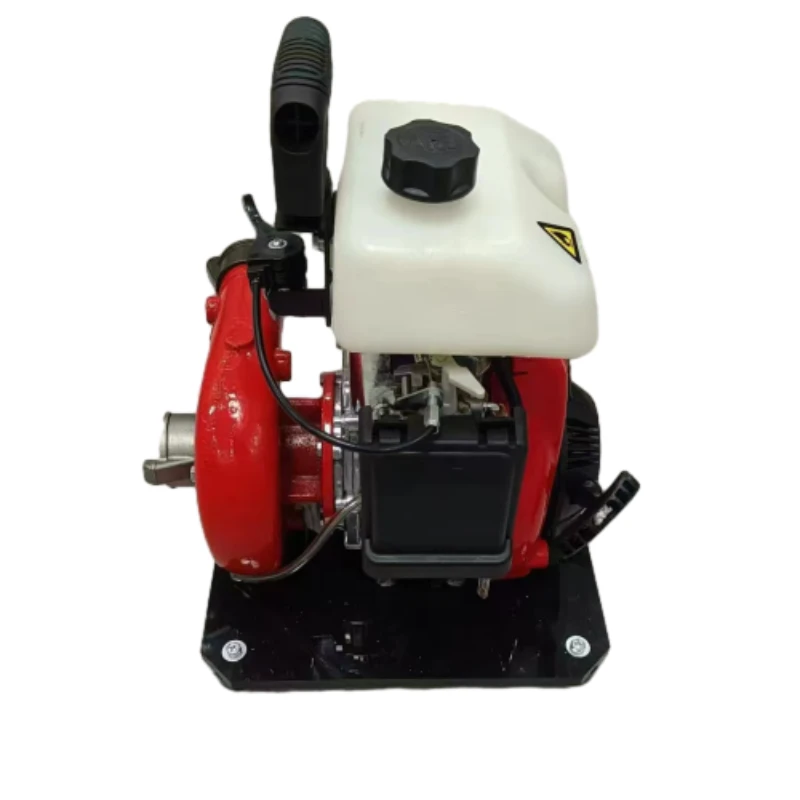
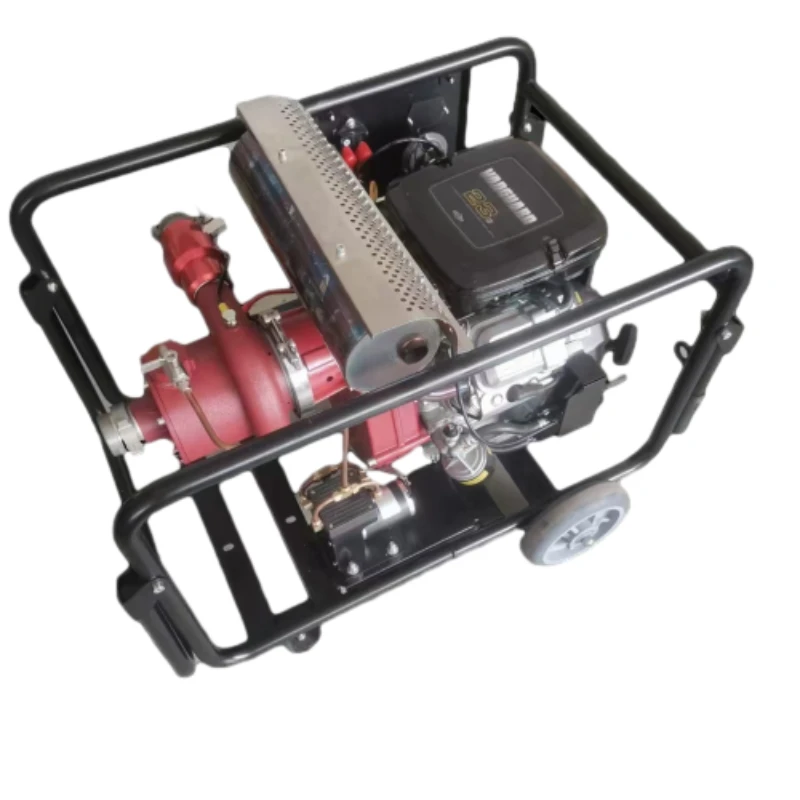
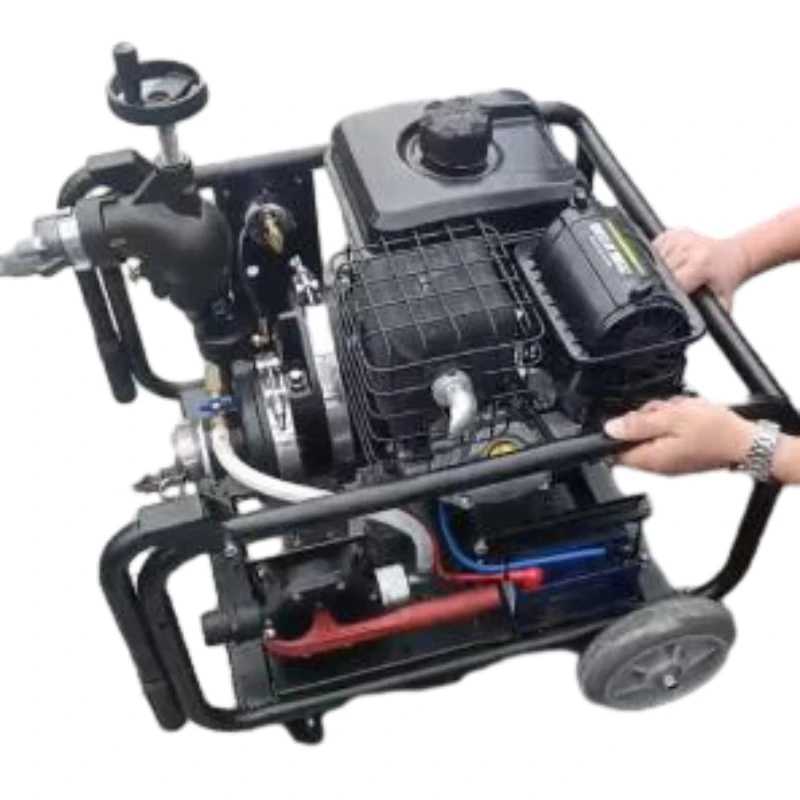
Water mist systems rely heavily on pumps capable of generating pressures usually between 100 and 200 bar. This pressure atomizes the water into fine droplets. Quality pumps ensure mist consistency, a critical factor for fire suppression effectiveness.
2. Specialized Nozzles
These are the magic spots where water transforms from bulk liquid into mist. Design and material choice here (often corrosion-resistant alloys or polymer composites) dictate droplet size and distribution, directly impacting system performance.
3. Water Supply & Storage
Whether fed directly from a municipal line or a storage tank, the system needs a reliable water source. Some setups even include filtration to reduce nozzle clogging—especially in areas with hard water.
4. Detection & Control Units
Smart sensors detect fires early and activate the system automatically. Integration with home alarms or monitoring services is becoming standard, providing peace of mind beyond the basics.
5. Durability & Maintenance
These systems must endure humidity, temperature shifts, and the occasional corrosion risk inside walls. Proper materials and routine checks ensure long-term reliability.
Mini takeaway: The interplay of precision pumps, smart nozzles, and digital controls makes these systems modern marvels, not just hoses in disguise.
Where Are These Systems Making a Difference?
From modern urban apartments in Europe to off-grid homes in Australia, domestic water mist fire systems are gaining traction. They’re also used in:
- Post-disaster relief housing: Quickly deployable, minimal water damage crucial for temporary shelters.
- Remote industrial zones: Locations where firefighting resources are limited favor rapid suppression systems.
- Heritage and wooden homes: Where fire damage and water damage must both be minimized.
In Japan, for instance, water mist systems have been adopted in earthquake-prone zones to reduce secondary fire disasters. And charities installing domestic water mist fire system solutions in developing countries highlight the life-saving potential even further.
Mini takeaway: Adaptability and respect for fragile environments make these systems invaluable from city condos to disaster zones.
Advantages and Long-Term Value of Domestic Water Mist Systems
- Water Efficiency: Uses up to 90% less water than traditional sprinklers.
- Reduced Property Damage: Minimizes water saturation, protecting valuables and interiors.
- Environmentally Friendly: Lower consumption and minimal chemical use align with global sustainability goals.
- Enhanced Safety: Rapid suppression and oxygen displacement help occupants escape safely.
- Cost Savings: Over time, less water and easier cleanup can reduce insurance claims and repair costs.
On an emotional level, many homeowners appreciate the dignity of a system that protects their memories, their furniture, and their pets—not just their walls. It’s safety with a softer touch.
Product Specification Table
| Feature | Specification | Notes |
|---|---|---|
| Operating Pressure | 120 - 200 bar | Ensures fine droplet formation |
| Droplet Size | 50 - 100 microns | Optimal for fast heat absorption |
| Water Consumption | Up to 90% less than traditional sprinklers | Eco-friendly operation |
| Activation Time | Under 5 seconds | Rapid fire response |
| Integration | Compatible with smart home systems | Enhanced monitoring |
Comparing Top Vendors of Domestic Water Mist Fire Systems
| Vendor | Coverage Area | Price Range | Warranty | Unique Feature |
|---|---|---|---|---|
| AquaMist Technologies | Global | $$$ | 10 years | Smartphone remote activation |
| SafeHome Solutions | North America, Europe | $$ | 8 years | Eco-friendly non-toxic coatings |
| FireMist Systems | Asia-Pacific | $ | 5 years | Easy-install modular units |
Future Trends and Innovations in Domestic Water Mist Fire Systems
Are you ready for the next leap forward? The future of domestic water mist fire systems points toward further integration with smart home ecosystems—telling your phone not just that there’s a fire, but exactly where and how severe. Electric vehicles in homes also encourage fire safety advances; the fire suppression systems may soon include specific EV battery fire protocols.
On the sustainability front, researchers are working on using recycled rainwater or even greywater for non-hazardous fire systems. There's also a push for more biodegradable system components to reduce ecological footprints.
Automation and AI-driven predictive maintenance could cut false alarms dramatically — many engineers I’ve chatted with see this as a real game changer.
Mini takeaway: Smarter, greener, and more adaptive systems are just around the corner.
Challenges and Solutions: Navigating Current Limitations
Despite their advantages, adopting domestic water mist fire systems isn’t without hurdles. High-pressure components can increase installation costs, and certain building codes lag behind, slowing adoption. Maintenance expertise is still niche, so training is vital. Luckily, turnkey solutions with plug-and-play designs simplify setup, and flexible regulatory frameworks are emerging, inspired by ISO standards on fire safety systems.
To combat traditional thinking, some advocates suggest showcasing ROI through insurance savings and case studies. As always, education and experience go a long way.
FAQ: Your Domestic Water Mist Fire System Questions Answered
- How does a water mist system differ from a traditional sprinkler?
- Water mist systems produce very fine droplets using high pressure, which cool fires faster and use less water, reducing damage compared to traditional heavy-flow sprinklers.
- Can I retrofit a domestic water mist fire system into an existing home?
- Yes, many systems are designed for retrofit; however, installation complexity and costs depend on the home's structure and existing plumbing.
- Are these systems safe for people and pets?
- Absolutely. Water mist systems use pure water and low volumes, avoiding chemical agents, making them safe and eco-friendly for occupants.
- What maintenance does a domestic water mist fire system require?
- Regular inspections of pumps, nozzles, and detectors are essential, typically on an annual basis, to ensure responsiveness and prevent clogging.
- How do these systems integrate with smart home security?
- Many modern water mist systems link with home automation platforms, sending alerts and enabling remote control via apps for quick responses.
Wrapping Up: Why Domestic Water Mist Fire Systems Are the Future of Home Safety
All things considered, investing in a domestic water mist fire system is a smart move—not just for protecting your property and loved ones, but also for doing right by our planet. Less water usage, faster fire control, and growing technological integration make this approach ideal for today’s world. If fire safety feels like an overlooked necessity, this might be the nudge you need.
For those ready to explore further, don’t hesitate to check out solutions at our website. After all, fire protection is one investment where it truly pays to be ahead of the curve.




 English
  Arabic
  Bengali
  China
China  French
  German
  Hausa
Hausa  Indonesian
  Italian
  Japanese
  Javanese
  Malay
Malay  Persian
  Portuguese
  Punjabi
  Russian
  Spanish
  Swahili
  Telugu
  Vietnamese