








Why Fire Fighting Water Mist Systems Matter Today
Fire safety feels like one of those invisible pillars holding our modern world up. Nobody wants to think about fires until one happens, right? That’s where a fire fighting water mist system steps in — a smart, efficient, and increasingly popular solution for saving lives and property with minimal collateral damage. Globally, fires are a major risk to urban and industrial environments alike, and rapidly deploying efficient fire suppression without toxic chemicals is a universal goal.
Understanding how these systems work — and why they’re increasingly mandated by standards like ISO 6182 (for water mist firefighting systems) — opens a window to the future of fire protection. These systems aren’t just about dousing flames; they’re about sustainability, precision, and delivering safety where it’s needed most.
Setting the Scene: The Global Fire Safety Challenge
Did you know that according to the United Nations Office for Disaster Risk Reduction, fire-related incidents cause tens of thousands of deaths annually worldwide? The World Bank also flags that rapid urbanization disproportionately raises fire risks, especially in developing regions with older infrastructure.
Traditional sprinkler systems have served well, but they typically flood the area with water, causing potential damage to sensitive equipment, electronics, or historic buildings. Enter the fire fighting water mist system: a low-water, high-efficiency alternative that minimizes water use and maximizes impact.
Challenges like limited water availability in remote or densely populated urban areas call for smarter fire suppression—systems that can use less resource with better precision. This isn’t just about technology; it’s a response to real-world problems that affect safety, disaster recovery, and economic resilience.
What Exactly Is a Fire Fighting Water Mist System?
In simple terms, a fire fighting water mist system sprays ultra-fine water droplets—typically smaller than 100 microns—to control, suppress, or extinguish fires. The smaller droplet size cools the flame and the surrounding gases more effectively than traditional water spray, while also displacing oxygen around the fire source.
Compared to conventional sprinkler setups, these mist systems use a fraction of the water, reduce water damage, and adapt well across industries: from data centers to museums, even offshore oil platforms.
Professionally speaking, they are part of modern industrial fire safety plans and humanitarian emergency responses. Imagine post-disaster zones where water is scarce — mist systems provide a clean, efficient way to control fires without requiring vast water supplies or harmful chemicals.
Core Components You Should Know
1. Nozzle Technology
The heart of any water mist system is its precision nozzles, designed to atomize water into a fine mist. Materials range from stainless steel to brass, with different pressure options suited for varied fire risks. Nozzles determine the droplet size, coverage pattern, and flow rate — all critical for effective suppression.
2. Water Supply & Pumping
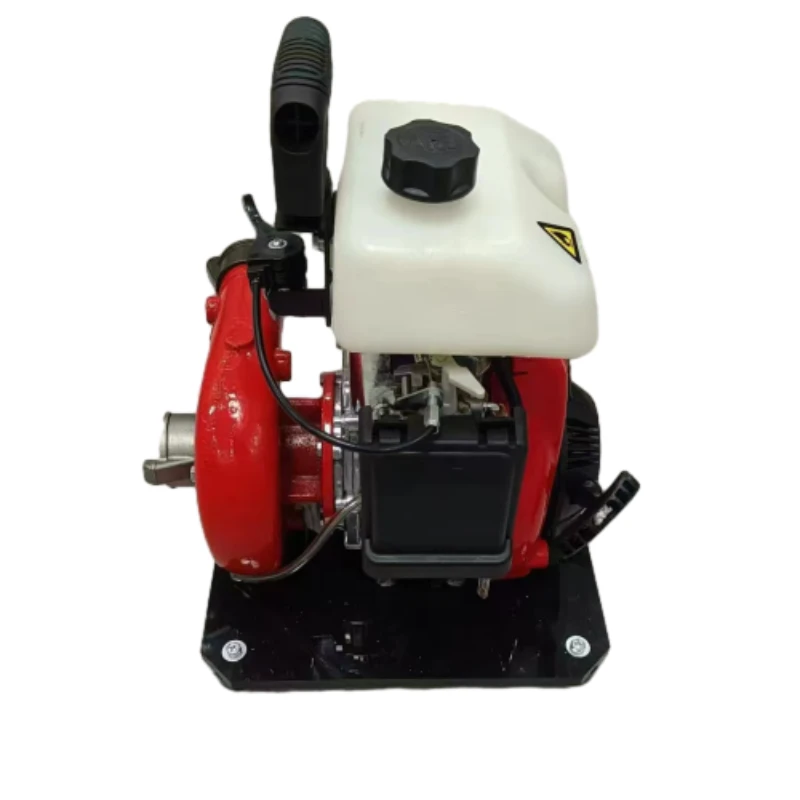
Reliably pressurized water supply is vital. Pumps often run at high pressures (up to 140 bar in some systems) to achieve fine atomization. The system can connect to existing water mains or dedicated tanks, allowing flexibility depending on the facility’s size.
3. Control & Detection
Modern systems integrate with fire detection sensors — heat, smoke, or flame detectors — triggering the mist spray within seconds. Automation is key for rapid response, reducing dependence on manual intervention and improving safety outcomes.
4. Piping & Installation
Choosing corrosion-resistant materials ensures durability, especially in harsh industrial or marine environments. Installation complexity varies with building layouts, but modular designs have simplified retrofits considerably, especially in historic buildings needing fire protection without altering aesthetics.
5. Regulatory Compliance & Testing
Standards such as UL, FM, and ISO 6182 guide system design and performance validation. Regular testing protocols are essential for maintaining reliability — many engineers highlight that consistent maintenance is what truly makes these systems effective in real terms.
Where Are These Systems Making a Real Impact?
Applications spread across diverse sectors and geographies:
- Industrial sites: Especially in chemicals, electronics manufacturing, and oil & gas, where minimal water damage is crucial.
- Transport hubs: Airports and train stations use these for fast, targeted suppression to protect crowded spaces.
- Heritage buildings: Mist systems protect priceless works without flooding or structural damage.
- Offshore platforms: Where water supply is limited and safety risks high.
- Disaster relief centers: Quick deployment units in fire-prone zones or refugee camps.
For instance, in Scandinavian countries, water mist systems are favored in urban apartments due to their low water usage. In Japan, high-rise buildings rely on them to meet stringent safety codes. Oddly enough, some NGOs are exploring portable water mist systems for emergency shelters, given their light footprint.
Product Specification Table
| Feature | Typical Range | Notes |
|---|---|---|
| Droplet Size | 10 - 100 microns | Ultrafine mist for efficient cooling |
| Operating Pressure | 40 - 140 bar | High pressure needed for atomization |
| Water Consumption | 10-30% less vs traditional sprinklers | Helps conserve water resources |
| Response Time | Linked to integrated sensors | |
| Coverage Area per Nozzle | ~10-20 m² | Varies by nozzle type |
Comparing Top Vendors in Fire Fighting Water Mist Systems
| Vendor | Specialty | Key Markets | Typical System Pressure | Regulatory Approvals |
|---|---|---|---|---|
| MistTech Solutions | High-pressure nozzles for industrial use | Europe, North America, Asia | 100-140 bar | UL, FM, ISO 6182 |
| EcoMist Fire Systems | Environmentally focused systems | Scandinavia, Australia | 80-120 bar | ISO 9001, EN 14972 |
| AquaFire Technologies | Custom modular systems for heritage sites | UK, Middle East | 60-110 bar | UL Listed, FM Approved |
Why Choose a Fire Fighting Water Mist System?
The benefits are plenty, but let’s break them down:
- Water Efficient: Uses much less water than traditional sprinklers, minimizing damage to property and cutting water bills.
- Environmentally Friendly: Chemical-free and lower in water waste, it aligns well with green building policies.
- Rapid Response: Quick activation saves lives by controlling heat and smoke early.
- Versatility: Works in complex environments — marine, industrial, commercial, even sensitive cultural buildings.
- Cost Savings: Lower water damage repairs and less frequent system maintenance reduces overall operational expenses.
On an emotional level, users often remark at the peace of mind knowing these systems protect their families, workplaces, and critical assets. To me, that sense of trust, especially when technology quietly stands guard, is the biggest intangible benefit.
Looking Ahead: The Future of Water Mist Fire Suppression
Like many fields, fire fighting water mist systems are evolving rapidly. Automation and digital controls improve precision. IoT sensors enable real-time status monitoring, reducing false alarms and ensuring readiness.
Materials science is also making strides with corrosion-resistant alloys and self-cleaning nozzles extending system lifespans. Some firms are experimenting with solar-powered pump backup systems to keep protection running even during power outages — quite important for remote industrial zones.
There’s also an increasing push toward green certification standards, which mandates environmentally sustainable designs. These innovations aren’t just technical—it’s the industry's way of responding to climate challenges and tighter regulations.
Common Challenges & How Professionals Address Them
- Water Supply Limitations: Some locations struggle to maintain high-pressure water feed. Solutions include dedicated pressurized tanks and pump hybrids.
- System Complexity: Integrating with existing fire or building management systems takes expertise. Modular, plug-and-play designs help ease this.
- Retrofitting Issues: Heritage or older buildings require delicate installation to avoid disturbing aesthetics or structure. Customized nozzles and piping offer elegant solutions.
- Maintenance Demands: Without regular checks, even the best system fails. Many vendors now offer remote diagnostics and predictive maintenance services.
Frankly, these challenges aren’t insurmountable, but they remind us that technology must be paired with smart planning and care.
FAQ: Fire Fighting Water Mist System
- Q: How does a water mist system compare to traditional sprinklers in water usage?
- A: Water mist systems typically use 10-30% less water than sprinklers, thanks to the fine droplet size that cools fires more efficiently. This reduces damage and conserves water, which is critical in drought-prone or remote areas.
- Q: Can water mist systems be installed in historic buildings without damaging aesthetics?
- A: Yes, many systems offer low-profile or concealed nozzles and use slim piping that doesn’t interfere with architecture. Vendors often customize designs to meet heritage preservation standards.
- Q: Are these systems effective against different types of fires (electrical, chemical, etc.)?
- A: Generally, yes. Water mist cools and displaces oxygen, effective against Class A and some Class B fires. For sensitive electrical equipment, the minimal water use reduces collateral damage, but always consult with experts for specific fire risks.
- Q: What kind of maintenance does a fire fighting water mist system require?
- A: Regular inspections include nozzle cleaning, pump testing, and sensor calibration. Many modern systems support remote diagnostics to flag potential faults before they become problems.
Wrapping It Up: A Safer, Smarter Tomorrow
In the end, investing in a fire fighting water mist system isn’t just about firefighting technology — it’s about resilience, responsibility, and sustainability. The technology’s clear environmental benefits, combined with lower operational costs and superior fire protection, make it a compelling choice worldwide.
For those in industries or regions looking to improve fire safety with minimal waste and disruption, water mist systems offer a forward-thinking solution worth exploring. Want to see how our systems can fit your needs? Visit our website at https://www.ffwfiresafety.com and let’s get the conversation started.




 English
  Arabic
  Bengali
  China
China  French
  German
  Hausa
Hausa  Indonesian
  Italian
  Japanese
  Javanese
  Malay
Malay  Persian
  Portuguese
  Punjabi
  Russian
  Spanish
  Swahili
  Telugu
  Vietnamese