








Understanding Fire Department Tools and Equipment: Essentials for Safety and Efficiency
When you think about fire safety, what probably comes to mind are the brave firefighters running into smoky buildings or the flashing red engines racing down city streets. But behind those hero moments is a vast world of fire department tools and equipment — specialized gear that makes rescue possible, efficient, and safe. Globally, as urbanization and industrial activities intensify, the demand for advanced fire safety solutions grows, making this topic more important than ever. Understanding these tools isn't just for experts; it bridges the gap between risk and resilience for communities everywhere.
Fire Safety: A Global Concern
The United Nations reports that fire incidents claim hundreds of thousands of lives annually worldwide, and billions of dollars in property damage disrupt social and economic development [UN Firefighters Day]. Rapid industrial growth, dense populations, and climate change-driven wildfire surges are key factors escalating the challenge.
For example, wildfires in California and Australia have surged in recent years, prompting fire departments to upgrade their equipment rapidly. However, many regions, especially in developing countries, face lack of access to essential fire department tools and equipment, making preventative measures tough.
Mini takeaway: The global fire safety landscape is dynamic, highlighting the urgent need for quality fire gear tailored to diverse environments.
What Are Fire Department Tools and Equipment?
Simply put, these are the devices, protective wear, and machinery that firefighters and emergency responders use to detect, control, or extinguish fires — and to rescue people safely. This spectrum includes everything from handheld hoses and axes to breathing apparatuses, thermal imaging cameras, and hydraulic rescue tools.
With industrialization and urban complexification, this equipment becomes more sophisticated, integrating technology and materials science to enhance performance under extreme conditions.
Core Components of Fire Department Tools and Equipment
1. Durability and Reliability
Fire equipment needs to survive intense heat, moisture, and mechanical stress. For instance, turnout gear—firefighters’ protective clothing—is made from high-grade flame-resistant fabrics like Nomex or Kevlar to resist burns and tears.
2. Mobility and Accessibility
Quick deployment matters. Lightweight hoses, foldable ladders, and compact breathing apparatuses ensure firefighters can navigate tricky terrains without delay. Portability enhances response times dramatically.
3. Technological Integration
Modern tools often embed technology — thermal imaging cameras locate heat signatures through smoke; GPS trackers help in team coordination; and communication devices maintain connectivity in chaos.
4. Cost Efficiency and Maintenance
While high-tech gear is valuable, departments balance cost with usability. Equipment that’s durable yet affordable, and easy to maintain, ensures sustained readiness without straining budgets, especially in developing regions.
Mini takeaway: Fire department tools must be tough, fast, smart, and budget-friendly—a tall order met by ongoing engineering and design improvements.
Global Applications and Use Cases
The real world shows diverse uses for this equipment. In dense urban centers like Tokyo or New York, specialized stair-climbing tools or high-pressure water pistols are common. In contrast, rural Australia relies heavily on aerial firefighting technology and mobile water pumps to battle wildfires.
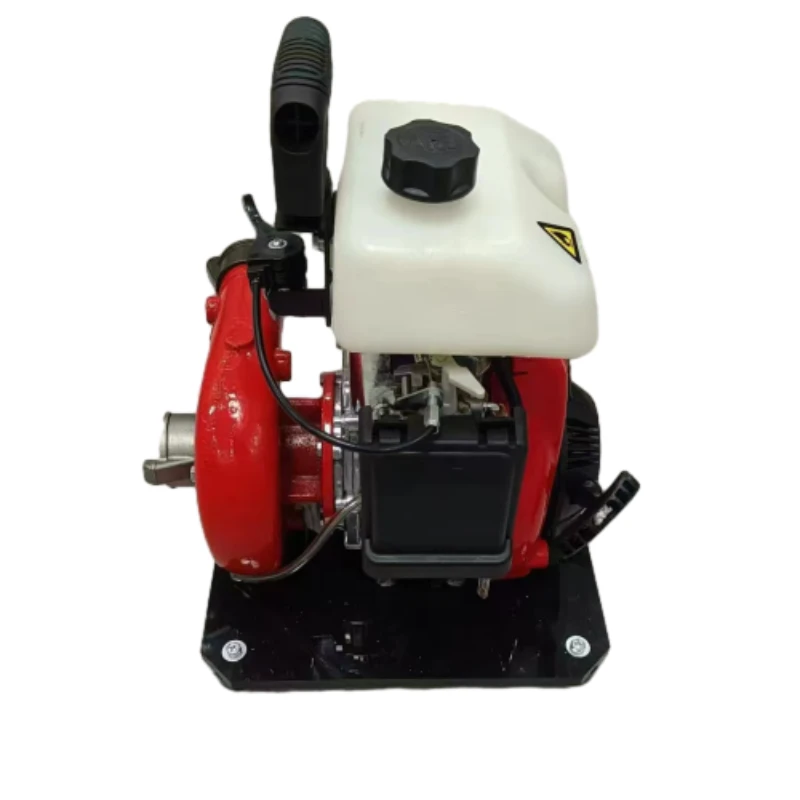
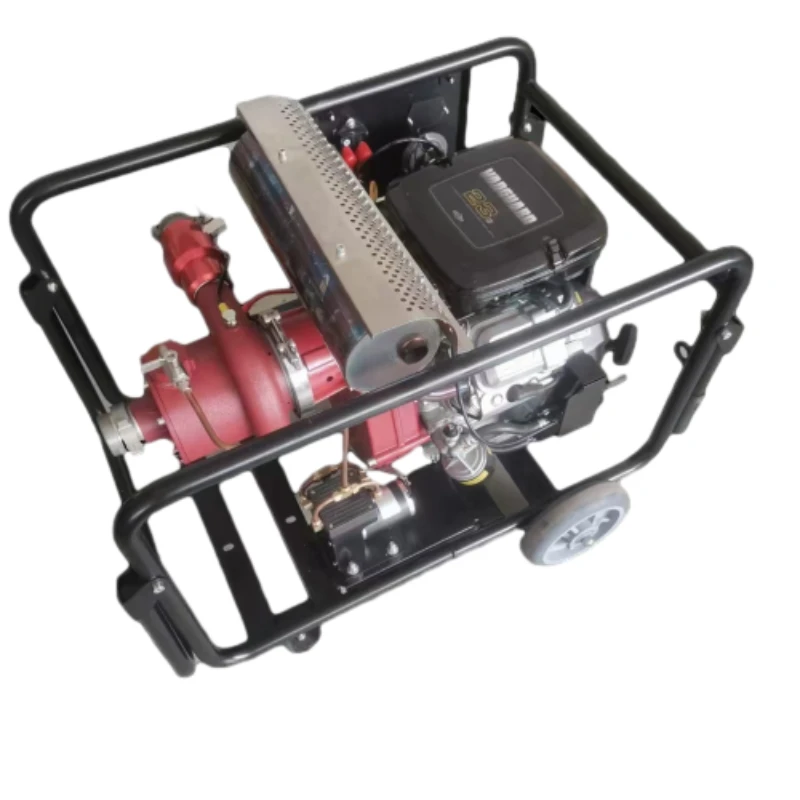
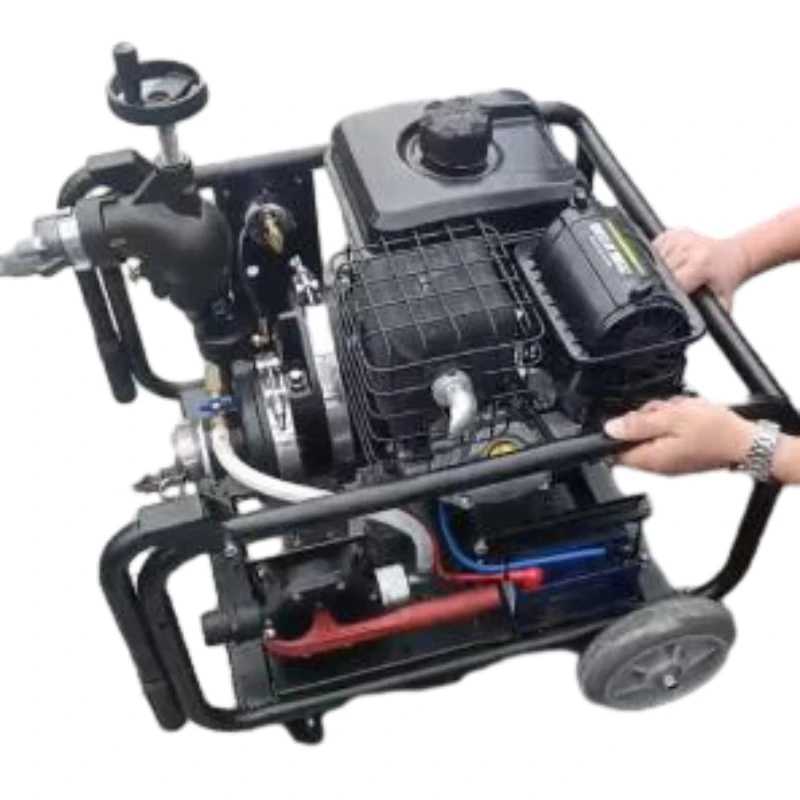
Industrial zones benefit from chemical-resistant gear and detection devices that alert teams to hazardous fumes or electrical fires. Meanwhile, in disaster relief zones — say, post-earthquake Haiti — portable water pumps and basic firefighting hand tools become vital to prevent secondary disasters.
Specifications Table: Typical Fire Department Equipment
| Equipment | Key Feature | Material / Tech | Use Case |
|---|---|---|---|
| Turnout Gear | Heat & Flame Resistance | Nomex, Kevlar | Structural Firefighting |
| Self-Contained Breathing Apparatus (SCBA) | Air Supply for Hazardous Areas | Compressed Air Tech | Smoke-Filled Environments |
| Thermal Imaging Camera | Heat Detection | Infrared Sensors | Search & Rescue |
| Hydraulic Rescue Tools (The “Jaws of Life”) | Cutting/Spreading Power | Hydraulic Systems | Vehicle Extrication |
Comparing Popular Vendors of Fire Department Tools and Equipment
| Vendor A | Vendor B | Vendor C | |
|---|---|---|---|
| Product Range | Comprehensive | Specialized (SCBA focused) | Cost-Effective Basics |
| Technological Innovation | High (AI, IoT Integrated) | Medium | Low |
| Global Presence | Wide (60+ countries) | Moderate | Limited |
| Price Range | Premium | Mid | Low |
| After-Sales Support | Excellent | Good | Basic |
Advantages and Long-Term Impact of Sophisticated Fire Department Tools
There are tangible benefits to investing heavily in quality fire department tools and equipment. Financially, they reduce property loss by enabling faster, more effective firefighting. Socially, better gear protects firefighters’ lives and by extension, community wellbeing. There's also an emotional side to consider — trust in a department's readiness gives a community peace of mind.
Plus, as sustainability grows in importance, using long-lasting, energy-efficient equipment aligns with global efforts to reduce environmental impacts.
Emerging Trends in Fire Department Tools and Equipment
Oddly enough, the future of firefighting gear is getting smart and green. Digital transformation is bringing cloud-based dispatch systems, drones for reconnaissance, and AI-driven fire pattern prediction. Materials science continues to innovate, with lighter, stronger composite fabrics.
Renewable energy powers some equipment now — solar-charged batteries, for instance — and 3D printing is opening doors for faster part replacements.
Challenges and How to Overcome Them
One challenge is cost: not every fire department can afford top-tier tools. Also, training is critical; new tech goes wasted without proper user knowledge. Equipment standardization across regions is another hurdle, as non-standard gear complicates mutual aid responses during massive emergencies.
Addressing these means investing in training programs, subsidies or shared procurement schemes, and international standards cooperation — some of which are already underway by ISO and NFPA.
FAQ: Frequently Asked Questions About Fire Department Tools and Equipment
-
Q: What kinds of protective clothing do fire departments typically use?
A: Most departments use turnout gear made from fire-resistant fabrics like Nomex or Kevlar, designed to protect against extreme heat, flames, and sharp debris. It includes jackets, pants, boots, gloves, and helmets with visors. -
Q: How does technology improve firefighting equipment?
A: Technologies like thermal imaging, GPS, and IoT enhance situational awareness, team coordination, and early fire detection — making operations safer and more effective. -
Q: Are there eco-friendly alternatives for traditional firefighting tools?
A: Yes. Some newer gear uses sustainable materials and energy-efficient power sources, such as solar-recharged batteries for equipment and biodegradable hoses, contributing to lower environmental footprints. -
Q: How can smaller fire departments access high-tech equipment affordably?
A: Partnerships, grants, and cooperative purchasing groups can help share costs. Additionally, vendors sometimes offer modular or scalable solutions that align with varied budgets.
Wrapping Up: Why Fire Department Tools and Equipment Matter
Investing in fire department tools and equipment isn't just about gear; it's about safeguarding lives, communities, and economies. The advancements ongoing mean better outcomes are possible — faster responses, safer rescues, and reduced disaster impact. For those interested in exploring options or upgrading their firefighting resources, I suggest visiting fire department tools and equipment specialists with proven global expertise.
In real terms, good firefighting equipment saves lives — and that’s a powerful thought to carry forward.




 English
  Arabic
  Bengali
  China
China  French
  German
  Hausa
Hausa  Indonesian
  Italian
  Japanese
  Javanese
  Malay
Malay  Persian
  Portuguese
  Punjabi
  Russian
  Spanish
  Swahili
  Telugu
  Vietnamese