








Combi Tool Firefighting: A Global Lifesaver in Fire and Rescue Operations
Firefighting tools have evolved drastically over the last few decades, and among these innovations, combi tool firefighting stands out for its versatility and efficiency. But what exactly is it, and why does it matter on a global scale? Simply put, combi tools combine multiple essential firefighting functions into a single unit that can quickly adapt to various rescue scenarios—from vehicle extrication to structural fires—making emergency responses faster and safer worldwide.
Understanding this technology’s benefits is not just for fire departments but also essential for humanitarian contexts and industrial safety worldwide. It cuts down on the equipment load firefighters carry, speeds up access to trapped victims, and ultimately saves lives.
Introduction: The Global Context and Rising Need
Globally, emergency services respond to millions of fires and accidents every year—statistics from the United Nations suggest that accidental fires cause over 300,000 deaths annually. In this high-risk environment, rapid, reliable firefighting tools are crucial. Yet, many rescue teams across developing and densely populated regions struggle with outdated or bulky equipment that slows response times.
Combi tool firefighting systems address a pressing challenge: how can firefighters be better equipped without being overwhelmed by weight or complexity? The answer lies in the power of combining multiple tools—like cutters, spreaders, and rams—into a single, modular device that’s easier to transport and deploy.
What Is Combi Tool Firefighting?
At its core, a combi tool is a multi-functional hydraulic or pneumatic rescue device designed to perform several actions that traditional tools handled separately. Think of it as an all-in-one package: it can cut through metal, pry open doors, and push materials to create an escape path, all without changing equipment.
Its use extends beyond firefighting itself, intersecting with urban search and rescue and post-disaster relief. This multifunctionality means emergency responders can carry less gear but perform more tasks, particularly in environments where timing and space are critical.
Core Components and Key Factors in Combi Tool Firefighting
1. Durability and Material Strength
The best combi tools are made from high-grade steel alloys and reinforced polymers, designed to withstand extreme mechanical stress and heat exposure. Firefighting often involves harsh conditions, so durability is non-negotiable.
2. Hydraulic Power and Precision
Hydraulic systems provide the muscle needed for cutting and spreading thick metal or debris. Paired with precise controls, this makes operations safe and efficient, letting firefighters handle tricky extractions confidently.
3. Portability and Weight
While powerful, combi tools are surprisingly portable. Engineers focus on lightweight designs balanced ergonomically so that a single firefighter can carry and maneuver them in confined or unstable spaces.
4. Versatility and Multi-Functionality
Combi firefighting tools combine three or more functions: cutting, spreading, and pushing (sometimes pulling). This versatility reduces the need for additional tools and speeds incident resolution.
5. Safety and Compliance Features
Modern devices incorporate safety locks, pressure relief valves, and rapid release mechanisms, meeting stringent standards like ISO 9001 and NFPA 1936—ensuring responders’ wellbeing during high-stakes operations.
Product Specifications of a Typical Combi Tool
| Specification | Details |
|---|---|
| Cutting Force | Up to 250 kN |
| Spreading Distance | Max 75 cm |
| Weight | Approx. 9 kg (20 lbs) |
| Hydraulic Pressure | 720 bar |
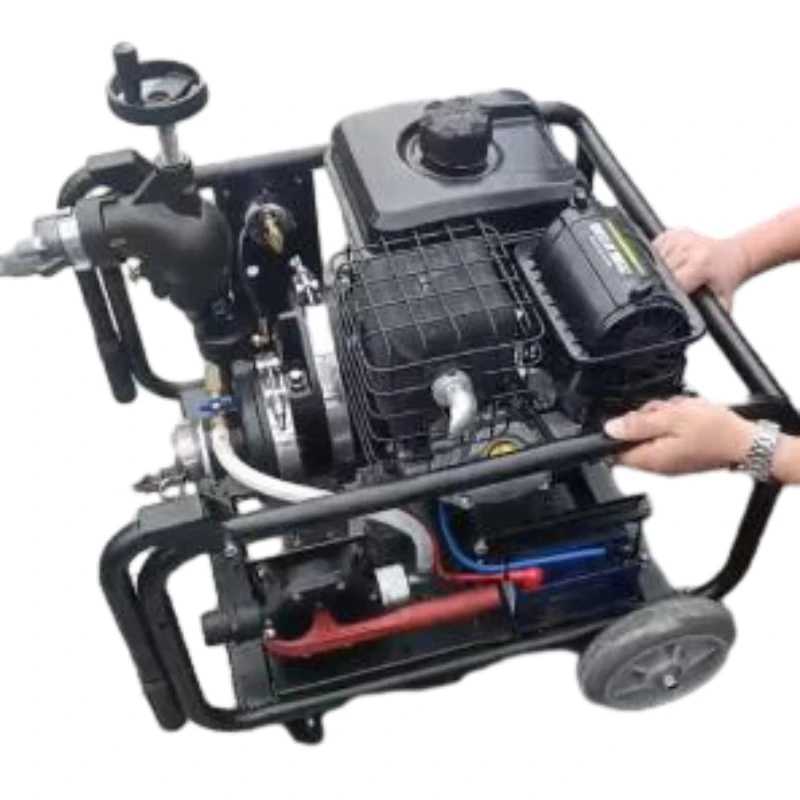
| Power Source | Portable petrol/diesel or battery pack |
Global Applications & Use Cases
These tools have become fundamental in a variety of contexts worldwide:
- Urban rescue operations: In densely built cities of Europe and Asia, combi tools speed up vehicle extrications and collapsed structure rescues.
- Industrial zones: Chemical plants and refineries in the Middle East rely on quick-response ventilation and cutting tools to handle hazardous situations safely.
- Disaster relief: Following earthquakes or hurricanes, NGOs use these versatile devices for rapid debris removal and access to survivors. For instance, post-2017 Mexican earthquake teams found combi tools indispensable.
- Remote and wildfire firefighting: In Australia and California, where wildfires are rampant, these tools assist in breaching barriers and controlling fires faster.
If you want to learn more about specialized rescue equipment, check out our detailed coverage on combi tool firefighting.
Advantages and Long-Term Value
The benefits go beyond technical specs:
- Cost efficiency: Buying one tool with multiple functions reduces inventory and maintenance costs.
- Sustainability: Durable construction extends operational life and reduces waste.
- Social impact: Faster rescues mean saved lives and less trauma for victims.
- Reliability: Built to strict standards, these tools perform consistently under pressure.
And on an emotional level, responders report feeling more confident carrying combi tools—like they’ve got “just the right gear” for whatever comes next.
Emerging Trends and Innovations
Looking ahead, the combi tool firefighting market is embracing advances such as:
- Battery-powered hydraulics: Cleaner and lighter units that cut emissions and improve portability.
- Smart sensors and IoT integration: Tools that provide real-time diagnostics and usage feedback.
- Eco-friendly materials: New composites reduce device weight without compromising strength.
- Automated deployment: Prototype robotic arms that can use combi tools remotely in high-risk environments.
These trends point to a future where firefighting technology is not just more capable but also more sustainable and connected.
Challenges & Expert Solutions
Of course, no tech is perfect. A few common challenges include:
- Maintenance complexity: Multi-part tools can be harder to repair in the field.
- Training demands: Operators need specialized, ongoing instruction to maximize safety and effectiveness.
- Cost barriers: Advanced units sometimes remain out of reach for smaller departments or NGOs.
Experts recommend:
- Regular maintenance with certified technicians to avoid downtime.
- Standardized training modules incorporated into firefighter certification.
- Funding partnerships and governmental grants to increase accessibility.
Vendor Comparison Table
| Vendor | Tool Weight (kg) | Max Cutting Force (kN) | Power Source | Price Range (USD) |
|---|---|---|---|---|
| RescuePro | 8.7 | 240 | Battery Pneumatic | $9,500 - $12,000 |
| FireEdge | 9.3 | 250 | Hydraulic Petrol | $11,000 - $13,500 |
| UrbanRescue Inc. | 9.0 | 235 | Hybrid | $10,000 - $12,50 |
Frequently Asked Questions About Combi Tool Firefighting
- What types of emergencies benefit most from combi tool firefighting equipment?
- Combi tools are extremely adaptable, but they excel in vehicle extrications, structural collapse scenarios, and confined space rescues—where multiple functions like cutting and pushing are needed rapidly.
- How heavy are these tools for firefighters to handle on the ground?
- Modern combi tools typically weigh between 8 to 10 kilograms. Designed with ergonomics in mind, they are portable enough for a single firefighter to use effectively, even in tight spots.
- Are battery-powered combi tools as reliable as hydraulic ones?
- Battery-powered units are rapidly closing the gap, offering quieter, cleaner operation with fewer emissions. While still relatively new, they have proven reliable in several recent field tests but may have shorter runtimes in continuous use.
- Can small departments or NGOs afford combi tool firefighting systems?
- Costs can be significant, but many organizations offset this by grants and shared equipment agreements. Additionally, modularity allows purchasing specific tool components as budgets allow.
- Where can I find official standards or certifications for these tools?
- Look towards NFPA 1936 and ISO 9001 for quality and safety guidelines related to firefighting rescue tools. Compliance ensures equipment meets critical operational requirements.
Conclusion
In real-world terms, combi tool firefighting doesn’t just represent better gear; it’s a tangible improvement in how firefighters save lives and protect communities around the globe. Reducing equipment bulk, enhancing versatility, and embracing technological innovation help responders meet the often unpredictable challenges of their work.
Frankly, embracing these tools is a no-brainer for agencies aiming to boost operational readiness. If you’re interested in learning more or upgrading your firefighting arsenal, be sure to visit our site: https://www.ffwfiresafety.com.
Takeaway: Combi tools for firefighting bring unmatched versatility and reliability, shaping a safer future for emergency responders worldwide.





 English
  Arabic
  Bengali
  China
China  French
  German
  Hausa
Hausa  Indonesian
  Italian
  Japanese
  Javanese
  Malay
Malay  Persian
  Portuguese
  Punjabi
  Russian
  Spanish
  Swahili
  Telugu
  Vietnamese