








What’s a Commercial Water Mist System and Why Should We Care?
Fire safety isn’t just about sprinklers or alarms anymore. Enter the commercial water mist system, a sophisticated approach using fine water droplets to quell fires efficiently and with less water damage. Given the rise in urban density, tighter environmental regulations, and expanding industries needing quick, reliable fire suppression — understanding this technology feels pretty vital.
Globally, fires cause billions in damages and untold human hardship annually. The United Nations Office for Disaster Risk Reduction highlights the urgency of smarter prevention and response. A water mist system can strike a balance between safety, sustainability, and minimizing disruption. Plus, it’s fascinating how tiny droplets defy old notions of fire suppression.
Commercial Water Mist Systems in the Global Context
Did you know? The International Organization for Standardization (ISO) reports that traditional sprinkler systems can use up to 90% more water than water mist systems. Water scarcity and environmental footprints aren’t exactly light topics. In industrial hubs from Europe to Asia, the challenge has been: how do we maintain top-tier fire protection while reducing water consumption and collateral damage? That’s where commercial water mist systems come in.
They’re no longer niche tech — instead, they’re appearing in data centers, museums, offshore rigs, and commercial kitchens worldwide. The reduced water usage and faster fire suppression times make these systems a gamechanger, especially where traditional sprinklers could cause hardware or inventory loss.
Mini takeaway: Modern fire safety isn’t just about putting flames out; it’s about doing it smartly and sustainably, and commercial water mist systems are a prime example.
Defining a Commercial Water Mist System
Simply put, a commercial water mist system sprays ultra-fine water droplets, typically under 100 microns in size, to suppress fires. Smaller droplets mean more surface area relative to volume, so they cool fires faster and absorb heat more efficiently than conventional sprinkler water streams. This mist also displaces oxygen around the flames, stifling combustion.
These systems connect deeply with modern industry’s push towards smarter safety solutions — often integral to humanitarian efforts in fire-prone disaster zones where resources are scarce, and quick, minimal-water response strategies are key.
Core Components of Commercial Water Mist Systems
1. Fine Nozzle Technology
This is really the heart of the system. Nozzles atomize water into tiny droplets. Engineers often tweak nozzle size and pressure to optimize coverage and spray duration for specific environments.
2. High-Pressure Pumps
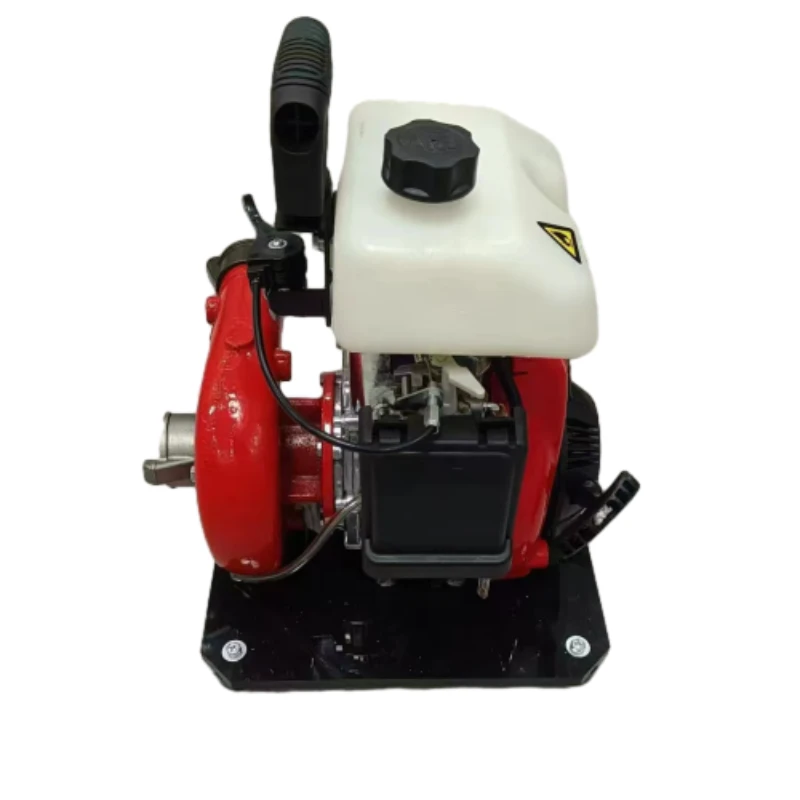
To create mist, water is pressurized (commonly between 100 and 150 bar). This requirement means pumps must be powerful yet reliable enough to work flawlessly under stress.
3. Control System Integration
Modern systems tie into smoke detectors and building management software. That integration ensures rapid response, precise targeting, and minimal false activation.
4. Water Supply and Storage
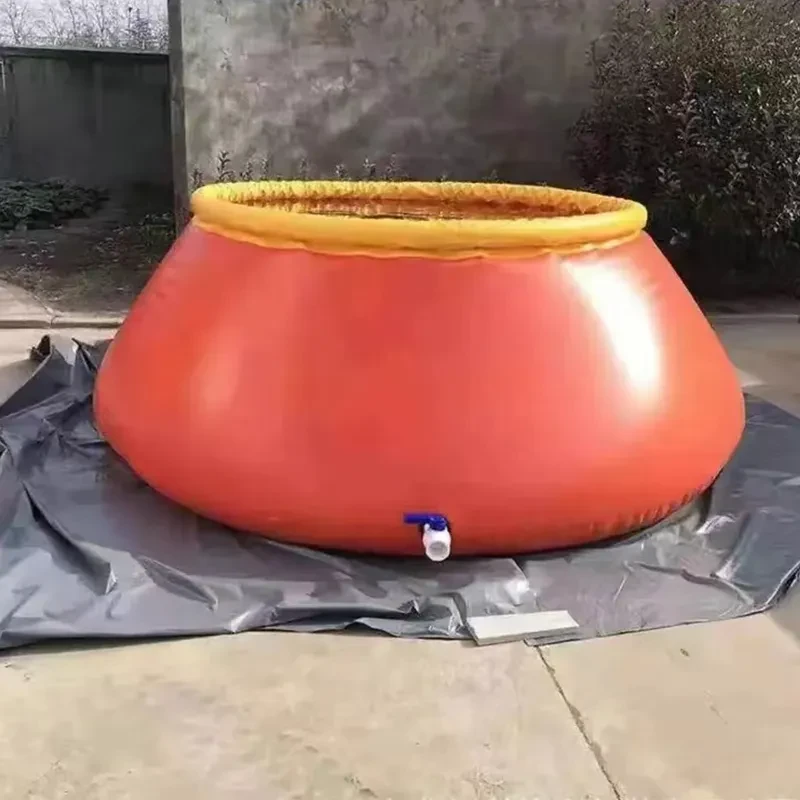
Sometimes a building’s regular water feed suffices, but many systems include dedicated storage tanks or even recycled water solutions, especially in places where water conservation is critical.
5. Safety Valves and Check Mechanisms
These keep the system ready and prevent leaks or unintended discharges, which obviously could cause more harm than good.
Mini takeaway: These systems are carefully balanced machines — sort of like a culinary recipe where nozzle size, pressure, and timing must blend perfectly for success.
How Are Commercial Water Mist Systems Used Around the World?
Their versatility means you’ll find these systems in all sorts of settings:
- Industrial zones: Especially in hazardous material factories where minimizing water and chemical reaction risks is essential.
- Hospitals and labs: Protecting sensitive equipment without drenching and destroying valuable technology.
- Heritage sites & museums: Water mist protects priceless artifacts better than traditional sprinklers.
- Offshore platforms: Fire suppression here is critical — and water supply can’t be wasted carelessly.
- Commercial kitchens & restaurants: The ability to extinguish grease fires quickly and safely is a must.
Oddly enough, in some wildfire-prone parts of Australia and California, modular water mist systems have even been trialed in temporary shelters to provide occupants with a rapid-response safety net in isolated areas.
Mini takeaway: Wherever the risk of fire meets constraints on water usage or sensitivity of assets, commercial water mist systems step in as the go-to solution.
Advantages and Long-Term Value of Water Mist System Technology
What’s not to like? Here are a few solid reasons why industries keep turning to these systems:
- Water efficiency: Uses roughly 75–90% less water compared to traditional sprinklers.
- Reduced water damage: Fine mist means less flooding and collateral damage to equipment and inventories.
- Environmental sustainability: Lower water use and often fewer harmful chemical additives than alternatives.
- Rapid fire suppression: Minimizes interruption in business or operations.
- Lower insurance premiums: Some insurers offer discounts for installing advanced fire suppression tech.
On an emotional level, the peace of mind that comes with a system engineered to protect lives, properties, and livelihoods is enormous — especially in places where every second counts.
Technological Innovations and the Future of Commercial Water Mist Systems
Looking ahead, a couple of trends are shaping the water mist scene:
- Integration with IoT: Smart buildings increasingly automate fire safety via sensor data and AI to fine-tune mist activation.
- Green energy-powered pumps: Solar or energy-harvesting setups powering pressure pumps in remote or eco-sensitive locations.
- Hybrid suppression systems: Combining water mist with inert gases or foam for multi-threat environments.
- Improved nozzle materials: Durable, corrosion-resistant composites extend system longevity in harsh environments.
It feels like the technology is evolving faster than regulations sometimes can keep up — but ISO standards and local fire codes are adapting.
Common Challenges and How Experts Are Overcoming Them
No solution is perfect. Commercial water mist systems can face:
- Installation complexity: High-pressure systems require skilled fitting and maintenance.
- Costs upfront: Initially higher cost than legacy sprinklers.
- Compatibility issues: Retrofitting older buildings isn’t always straightforward.
However, innovations like modular drop-in units, better training for technicians, and financing models aimed at spreading installation costs are making adoption easier and less intimidating.
A Practical Product Specification Table
| Specification | Typical Range | Notes |
|---|---|---|
| Water Pressure | 100 - 150 bar | High pressure for optimum mist |
| Droplet Size | 20 - 100 microns | Smaller droplets improve cooling |
| Coverage Area | Up to 200 m² per nozzle | Depends on nozzle design |
| Activation Time | Linked to fire detection | |
| Water Consumption | 5 - 20 liters per minute | Much lower than sprinklers |
Comparing Top Commercial Water Mist System Vendors
| Vendor | System Type | Key Features | Ideal Use Case | Price Range |
|---|---|---|---|---|
| MistTech Pro | High-pressure | IoT-enabled, rapid activation | Data Centers, Hospitals | $$$ |
| EcoMist Solutions | Medium-pressure with recycled water option | Sustainable materials, eco-friendly | Museums, Heritage Sites | $$ |
| FireGuard Ultra | Hybrid mist & gas | Multi-threat suppression | Offshore platforms, Industrial | $$$$ |
FAQs About Commercial Water Mist Systems
1. How does a commercial water mist system differ from traditional sprinklers?
Water mist systems emit very fine droplets at high pressure, allowing them to cool fires faster and use significantly less water than traditional sprinklers, which spray larger droplets at lower pressure.
2. Are commercial water mist systems suitable for retrofitting older buildings?
Yes, but it can be complex. Retrofitting requires assessing existing water supplies, structural limitations, and ensuring compatibility with fire codes. Many vendors offer modular solutions to simplify this process.
3. Can these systems reduce water damage during fire suppression?
Absolutely. The fine mist uses less water overall and disperses in a way that minimizes flooding, preserving delicate equipment or materials—critical in areas like museums or data centers.
4. How often should commercial water mist systems be maintained?
Regular inspections are recommended—typically annually—but high-risk environments might require more frequent checks to ensure nozzles and pumps remain fully operational.
5. Are there environmental benefits to using water mist over traditional systems?
Yes. They use far less water, reducing runoff and wastewater. Plus, many systems are designed to integrate with recycled water or eco-friendly materials, lowering their overall environmental impact.
Conclusion: Why Commercial Water Mist Systems Matter Long-Term
To put it plainly, commercial water mist systems are a savvy investment in safety, sustainability, and operational continuity. They respond to real-world challenges with elegant engineering and increasingly smart tech. Whether it’s protecting priceless art, vital infrastructure, or lives, these systems offer a powerful, efficient shield.
Thinking of upgrading your fire protection? Visit commercial water mist system specialists to explore tailored solutions that fit your needs and budget.
References:




 English
  Arabic
  Bengali
  China
China  French
  German
  Hausa
Hausa  Indonesian
  Italian
  Japanese
  Javanese
  Malay
Malay  Persian
  Portuguese
  Punjabi
  Russian
  Spanish
  Swahili
  Telugu
  Vietnamese