








When facing critical emergency scenarios, the effectiveness of a rescue operation often depends on the precision of the tools employed. A custom fire axe is not merely a chopping tool but a specialized instrument engineered to penetrate specific barriers, provide ventilation, and ensure the safety of both the rescuer and the victim. This article explores the technical nuances of these essential tools and how tailored specifications impact operational success.
In the professional firefighting industry, "one size fits all" rarely applies. Different environments—ranging from dense wildland forests to reinforced urban structures—demand different tool characteristics. The integration of high-grade alloys, ergonomic handle designs, and specific head weights allows emergency teams to optimize their physical effort and reduce fatigue during prolonged rescue efforts. Understanding the relationship between tool geometry and material resistance is key to selecting the right equipment.
Readers will gain insights into the engineering criteria used to develop bespoke rescue tools, the trade-offs between different material choices, and the practical considerations for procurement. By analyzing the operational requirements of modern forestry and urban rescue, we provide a comprehensive framework for evaluating supplier capabilities and ensuring that the equipment meets the rigorous demands of the field.
Fundamentals of Specialized Firefighting Tools
The evolution of rescue tools has transitioned from general-purpose carpentry implements to highly specialized pieces of safety equipment. In professional firefighting, the tool must serve multiple functions: breaching, prying, and cutting. A custom fire axe is designed to balance these competing needs. For instance, a tool designed for wildland firebreaks requires a different balance and edge profile than one meant for forced entry in a residential fire. The primary technical goal is to maximize the kinetic energy delivered to the target while minimizing the risk of tool failure or rebound.
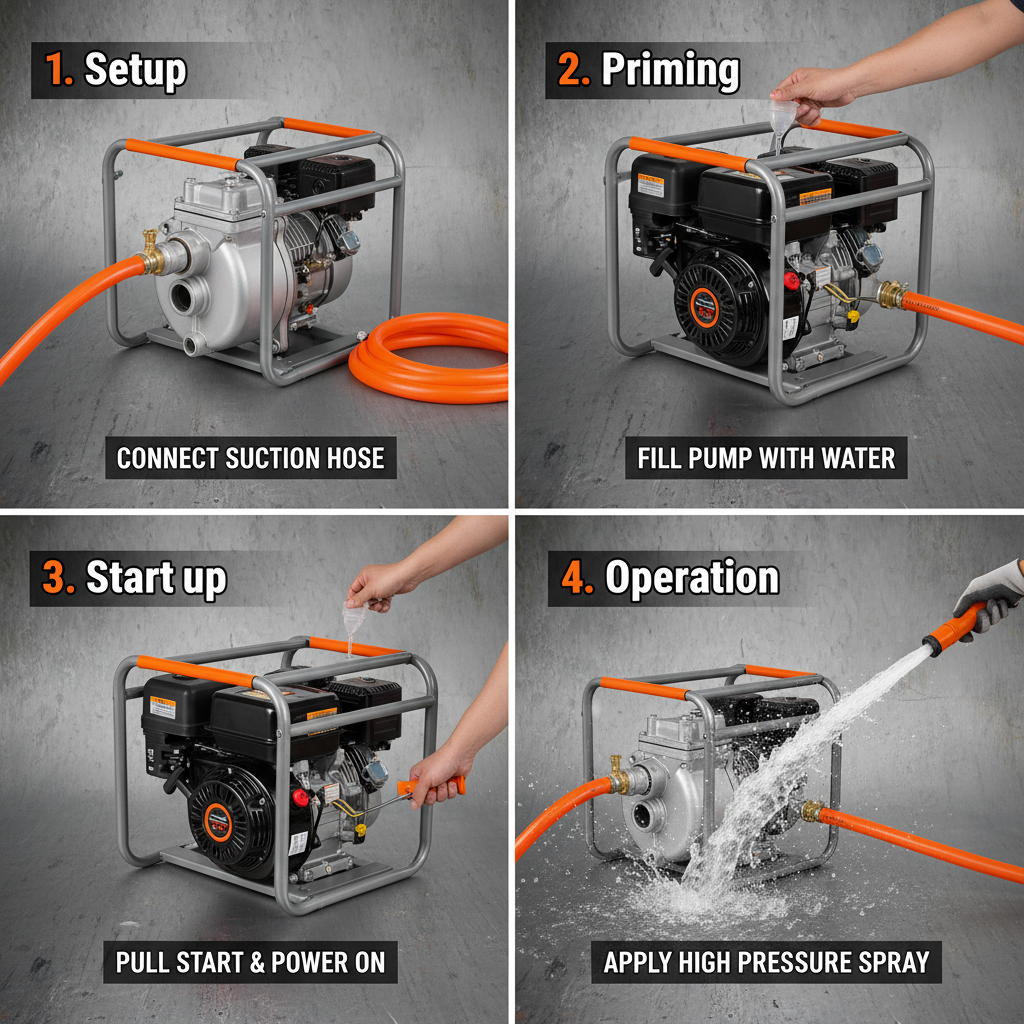
Beyond the physical act of cutting, these tools are integral to the overall safety ecosystem of a fire crew. They are often paired with other essential gear, such as portable pumps and personal protective equipment. The synergy between the hand tools used for access and the water-extinguishing equipment used for suppression defines the efficiency of the emergency response. Professional manufacturers focus on the structural integrity of the tool's head-to-handle connection, as this is the most common point of failure under extreme stress, ensuring that the tool remains a reliable asset in life-threatening environments.
Technical Guide to Bespoke Rescue Axes
Optimizing a rescue tool requires a deep understanding of mechanical stress and human kinematics. To move from a standard tool to a professional-grade bespoke solution, engineers must analyze the specific resistance of the materials being breached and the physical constraints of the operator.
Material Engineering and Durability
The choice of steel determines the tool's lifespan and its ability to hold an edge. High-carbon steels provide excellent hardness and cutting capability but may be prone to chipping under extreme impact. Alloy steels, often tempered to specific Rockwell hardness scales, offer a better balance of toughness and flexibility, preventing the head from fracturing when prying heavy debris. The heat treatment process is critical; an improperly tempered tool may bend or shatter during high-impact operations.
| Material Type | Primary Strength | Operational Risk | Best Application |
|---|---|---|---|
| High Carbon Steel | Superior Edge Retention | Brittleness under shock | Precision cutting/chopping |
| Chrome-Vanadium | High Tensile Strength | Heavier overall weight | Heavy-duty breaching |
| Forged Alloy | Impact Resistance | Higher production cost | General rescue operations |
| Stainless Steel | Corrosion Resistance | Lower hardness | Marine/Wet environments |
| Tungsten-Infused | Extreme Penetration | Difficult to resharpen | Hardened industrial barriers |
| Composite Head | Weight Reduction | Lower impact force | Lightweight wildland kits |
Ergonomics and Handle Configuration
The handle is the primary interface between the rescuer and the tool. Fiberglass handles are favored for their strength-to-weight ratio and non-conductive properties, which are essential when working near electrical hazards. Ash or hickory wood remains popular for its natural vibration absorption, reducing the shock transferred to the user's joints. The grip texture must be designed for use with heavy gloves, ensuring a secure hold even when wet or covered in debris.
Weight Distribution for Field Efficiency
The "center of percussion" or the sweet spot of the tool must be aligned with the intended use. A head-heavy design increases the force of the blow, which is ideal for breaking through thick doors or walls. Conversely, a more balanced tool allows for faster, more controlled swings, which is necessary for precision work or when the operator is fatigued. Customization allows the user to shift the balance point based on their height and strength.
Blade Geometry and Cutting Dynamics
The angle of the cutting edge—the bevel—dictates how the tool interacts with the material. A steep bevel is more durable and better for splitting, while a shallower angle provides a cleaner cut through softer materials. Specialized tools may feature a combination of a sharp chopping edge and a flat striking face (poll), allowing the tool to double as a hammer for driving wedges or breaching pins.
Customization for Specific Environments
Tailoring a tool involves adjusting its specifications for the target terrain. For forest fire protection, tools are often lighter and designed for rapid movement through underbrush. In urban search and rescue (USAR), the emphasis shifts to prying capability and the ability to penetrate concrete or metal. Companies like Hebei FeiFanWei Technology leverage their expertise in emergency rescue equipment to ensure these tools complement other gear, such as their portable water-extinguishing series.
Maintenance and Edge Preservation
A dull tool is a dangerous tool, as it is more likely to glance off a surface. Regular maintenance involves cleaning the blade to prevent oxidation and using specialized files to maintain the bevel. For high-use professional tools, implementing a rotation schedule ensures that every piece of equipment is sharpened and inspected for structural cracks, particularly at the eye of the axe where the handle meets the head.
Procurement and Supplier Evaluation
When sourcing rescue equipment, procurement officers should look beyond the price tag and evaluate the manufacturer's quality control processes. Key questions include the source of the raw steel, the methods used for heat treatment, and the certifications of the production facility. A reliable supplier should be able to provide technical specifications and offer customization options that align with the specific operational needs of the local fire department or agency.
FAQ
What makes a rescue axe "custom" compared to a standard one?
A customized rescue tool is engineered based on specific operational requirements, such as the target material (wood, metal, or composite), the required weight balance for the user, and specialized handle materials for safety or durability. Unlike mass-produced tools, these are tailored to maximize efficiency in specific environments like wildland forestry or urban rescue.
Which handle material is safest for firefighting?
Fiberglass is generally considered the safest for modern firefighting because it is non-conductive, reducing the risk of electrical shock during breaches. It is also highly resistant to weathering and rot, making it more durable than traditional wood handles in extreme outdoor conditions.
How do I choose the right head weight for my rescue tool?
Heavier heads provide more smashing power for breaching thick barriers but increase user fatigue. Lighter heads allow for faster movement and precision. The choice should depend on the primary task: use heavier heads for forced entry and lighter, more balanced tools for general forestry or rescue support.
Can these tools be used for both cutting and prying?
Yes, most professional rescue tools are designed as hybrid instruments. They feature a sharp cutting edge for chopping and a reinforced "pick" or flat head for prying and punching holes. The structural integrity of the tool's neck is critical to ensure it doesn't bend during prying operations.
What should I look for in a professional tool supplier?
Look for suppliers who specialize in emergency rescue equipment and can provide detailed material certifications. A reputable manufacturer will have a clear history of providing reliable gear to fire departments and will offer technical support regarding tool maintenance and application.
How often should rescue axes be inspected?
Tools should be inspected after every major operation and at least once a month during standby. Inspections should focus on the tightness of the head, the presence of cracks in the handle, and the sharpness of the blade to ensure the equipment is ready for immediate deployment.
References and further reading
- International Fire Service Training Association (IFSTA) - Firefighter Combat Manual
- NFPA 1936: Standard for Fire Department Asset Management
- Materials Science in Emergency Rescue Tools - Industry Technical Review
Related Articles






 English
 Arabic
 Bengali
 China
 French
 German
 Hausa
 Indonesian
 Italian
 Japanese
 Javanese
 Malay
 Persian
 Portuguese
 Punjabi
 Russian
 Spanish
 Swahili
 Telugu
 Vietnamese